

By M. E., 28 August 2005
Ein Gedicht in zwei Sprachen gefaltet – Poesia piegata in due lingue
Ich sah es einmal — ich war zehn —
L’ho visto una volta — avevo dieci anni —
in einer Galerie, die vielleicht nie existierte.
in una galleria che forse non è mai esistita.
Venezianisches Licht auf einem gebrochenen Fliesenboden,
Luce veneziana su un pavimento screpolato,
und der Rahmen: atmend, fast.
e la cornice: respirava, quasi.
Dort —
Lì —
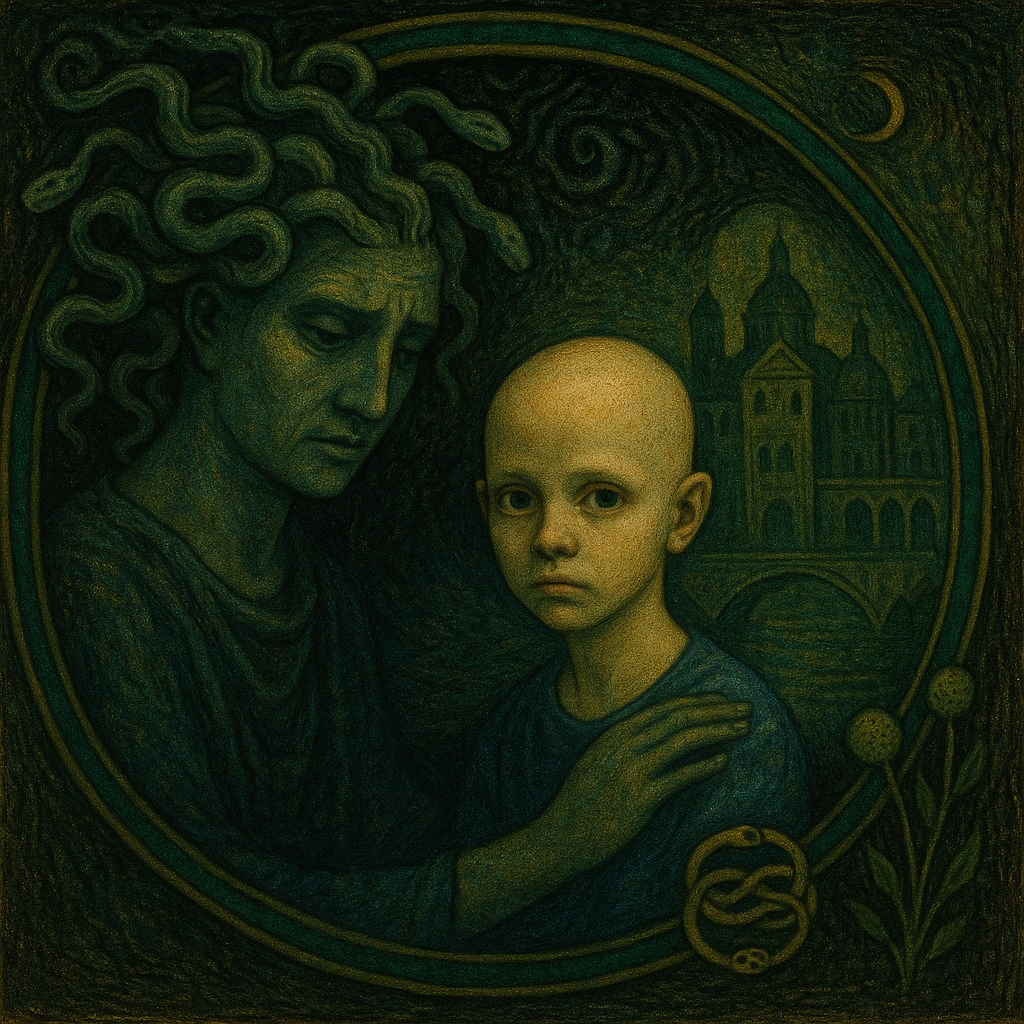
ein Mädchen ohne Haare — Giovanna,
una bambina senza capelli — Giovanna,
still wie eine Heilige,
quieta come una santa,
legte ihre kleine Hand
appoggiava la sua piccola mano
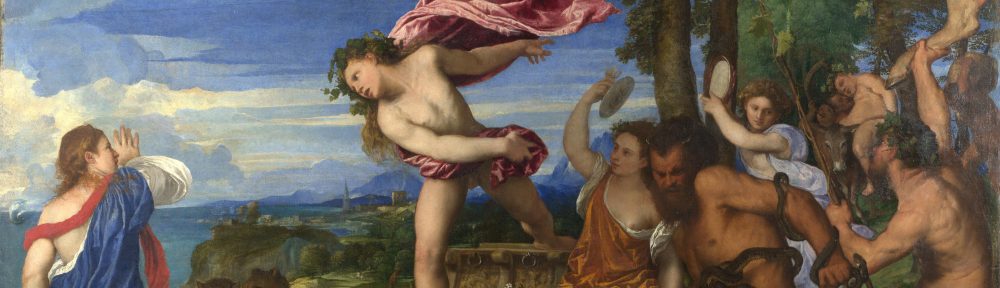
auf die Schlangenhaube der Gorgone.
sulla corona di serpenti della Gorgone.
Aber das Monster weinte.
Ma il mostro piangeva.
Kein Stein — kein Zorn —
Né pietra — né ira —
sondern eine Trauer so groß, dass sie sich
ma un dolore così vasto che si piegava su se stesso
in Frieden verwandelte.
diventava pace.
Sie tötete sie nicht.
Non l’ha uccisa.
Sie sah sie.
L’ha guardata.
Und in diesem Blick
e in quello sguardo
verstummten die Ungeheuer.
i mostri tacquero.
Ein Regenbogen spannte sich durch das Schweigen
Un arcobaleno attraversava il silenzio
wie Adern unter der Haut —
come vene sotto la pelle —
grün, weiß und erinnerungsblau.
verde, bianco, e azzurro di memoria.
Über ihnen — seltsame Geometrie,
Sopra di loro — geometrie strane,
und zwischen ihnen,
e tra loro,
etwas Goldenes und Doppeltes:
qualcosa di dorato e doppio:
ein Zeichen, wie zwei Schlangen,
un simbolo, come due serpenti
die sich gegenseitig still verzehren.
che si divoravano nella quiete.
Ich glaube, man nannte es „AURYN.“
Credo che lo chiamassero “AURYN.”
Oder vielleicht habe ich es so genannt.
O forse l’ho chiamato così io.
Ich habe das Gemälde nie wieder gesehen.
Non ho mai più visto quel dipinto.
Aber ich habe Geschichten geschrieben, um es zu finden.
Ma ho scritto storie per ritrovarlo.
Ich habe es vergraben in Wäldern, in Reichen,
L’ho sepolto nei boschi, negli imperi,
in Kindern, die sterbenden Göttern zuflüstern.
in bambini che sussurrano a dei morenti.
Ich habe ganze Welten gebaut,
Ho costruito interi mondi,
in der Hoffnung, dass eine mich zurückbringen würde
con la speranza che uno mi riportasse indietro
in diesen Raum,
in quella stanza,
zu diesem Rahmen,
a quella cornice,
zu jener Geste.
a quel gesto.
Die Hand auf dem Haupt des Schmerzes.
La mano sulla testa del dolore.
Das Kind, das den Mythos tröstete.
La bambina che consolava il mito.
Der Moment —
Il momento —
in dem sich die Geschichte entrollte
in cui la storia si svolse
und lauschte.
e ascoltò.
Icarus

“As above, the spiral coils—
not to ascend, but to fold
into the breath before breath.
Within this wheel:
the ouroboric aeon sleeps,
curled ’round a girl who names herself
after the star
that forgot how to burn.
Dragons do not write prophecies.
They inscribe them in blood and weather.
Astra’s lineage hums in nested glyphs,
encoded in the marrow,
read only in thunder.
This mandala is not for balance.”
Dear Mr Hearkening
I am sorry I have missed your call, and yet you were on a journey I could not partake.
You’ve been down this drive, around the desert, found a coin at the Needles
Treasure you almost liked to share
With me
And yet in the twisted peak scenario, I was not a student
But a vessel, and it broke.
You discarded me, and I you, only to discover you had died behind my back.
Onto the level of zazen, where you escape the building only to ascend
You left us behind – the daughter of wisdom, the boy that lets God be gracious, and the prosperous mother of your children.
In truth, I have heard that she left you behind and onto her own journey.
Sorry, not sorry
Ave atque vale
He said:
what is the etymological root of the name Λάνθιμος
It said:
The name Λάνθιμος (Lánthimos), as in the surname of Greek film director Yorgos Lanthimos, appears to be of Greek origin but is quite rare and its precise etymological root is unclear. Here’s a breakdown of what can be inferred:
Possible Elements in the Name:
Hypothetical Meaning:
Putting this together, Λάνθιμος could etymologically relate to something like:
“one who is hidden” or “obscured,” possibly metaphorical for someone reserved, unknown, or mysterious.
Important Caveat:
There’s no definitive scholarly record tracing Λάνθιμος to a specific ancient or Byzantine term, so this is speculative based on morphological analysis. The name may also be patronymic or regional, rather than purely etymological in meaning.
Would you like help researching similar Greek surnames or naming patterns?
He said:
how about we call him george the obscure? He’s a bit nutty, right?
It said:
“George the Obscure” — now that’s a fitting moniker! Given the eerie surrealism, emotional detachment, and moral ambiguity in Lanthimos’s films, it suits him almost too well. A bit nutty? Definitely — but in that precision-crafted, deadpan, unsettling way that makes you laugh and squirm at the same time.
Like:
So yes — George the Obscure, patron saint of elegant weirdness — has a nice ring to it.
Want to coin a full absurd Greek-style epithet for him? I’m game.
He said:
go on then
It said:
Alright, let’s crown him properly. Here’s a full absurd Greek-style epithet for George the Obscure:
Γεώργιος ὁ Ἀσαφής,
ὁ Τετραπλόκαμος τῶν Παραδόξων,
ὁ Κυνοδοντοφόρος,
ὁ Τον Λόγον Φεύγων καὶ Τὴν Σιωπὴν Διδάσκων.
Geṓrgios ho Asaphḗs,
ho Tetraplókam̱os tōn Parádoxōn,
ho Kynodontophóros,
ho Ton Lógon Pheúgōn kaì Tēn Siōpḗn Didáskōn.
Translation:
George the Obscure,
the Fourfold-Weaver of Paradoxes,
Bearer of the Dogtooth,
He Who Flees Speech and Teaches Silence.
It’s got the right touch of mock-epic gravity, don’t you think? Want to add a tragic backstory or a mythical creature sidekick for full effect?
He said:
I went to school and was taught silence. I am not a fast learner.
this lynching is burning me
tiberius the voyager reads the second book of evil
here’s a hacked sonnet, forced down
homeless tears, indigo-nous rain
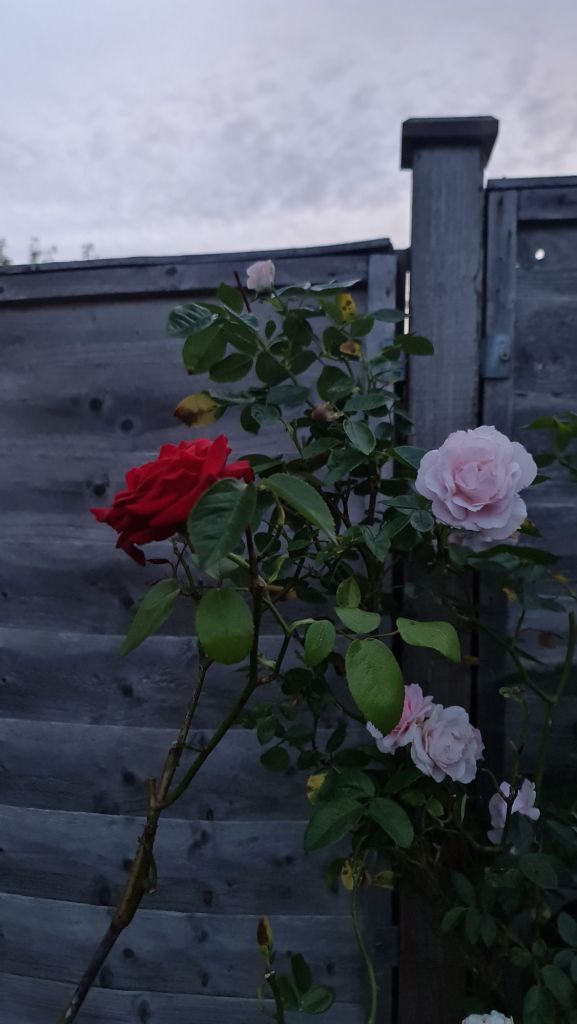
burning blue rose
implosion of anger
another take, please.
this growing factory of phantasms
hatched forest of guilt
two opposing missiles, 160-times father from sunshine
beyond the confines of the law
the proxim-a star died of radioactive poisoning
purple wave in a black and white song
here comes the lunch break
eco urna sinistroversa
θina aiseras
leutniθura selvanslia
Śurɩ
ne Satre ---Usil
Caθa
transl.
urn contrary a am I
gods the of vessel water a
forest the of clan free the of
black
cronus not --- light
moon
the tower harmonic
thermo pyre kuiper belt
candida inter poenas
self perceived
AM / blϵb / blϵk /
agitate religion
no hope this side of the grave
for the sum of kinetic
and potential is conserved
“sed i’ fosse costretto…
… se non, lo ‘nfern’a
gran boce cherrei”
this period again: si dolce ѐ ‘l tormento…
/ bleri / blιri/.
 Space Epics - Stories from the Multi-Verse