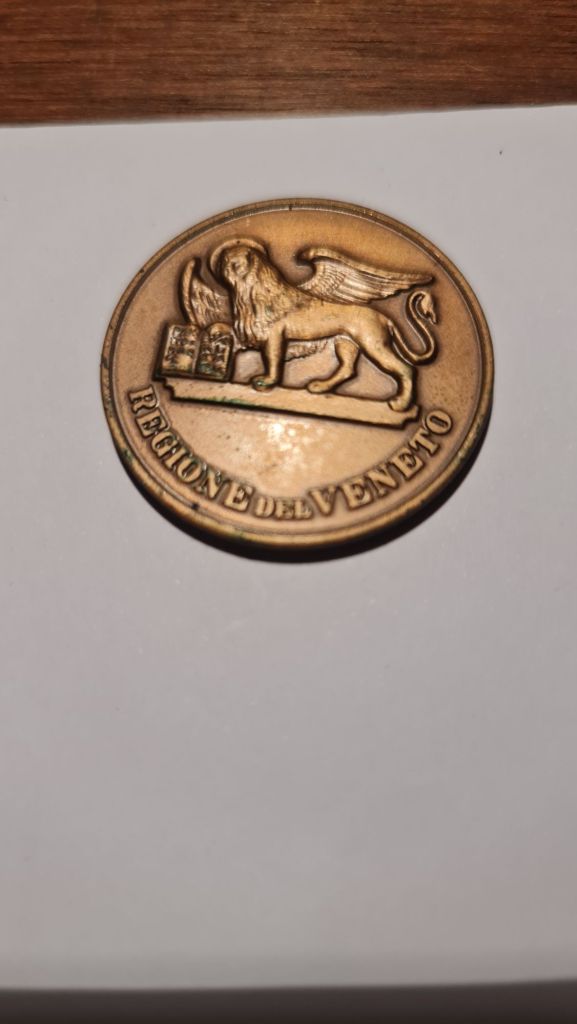
I. Leo de Bronzo Stat leo, alatus, librum apertum tenens, custos legum maris et mercatorum. Ma el bronzo stésso se coróde, come el sogno de la Serenìsima.
II. Navis Turneri Rari nantes in gurgite vasto, vegnimo strachi, trascinai dal fumo, verso un sol che se sfà in acqua. El remorco ne tira in la note, e noi, compagni de viagio, perditi sub undis.
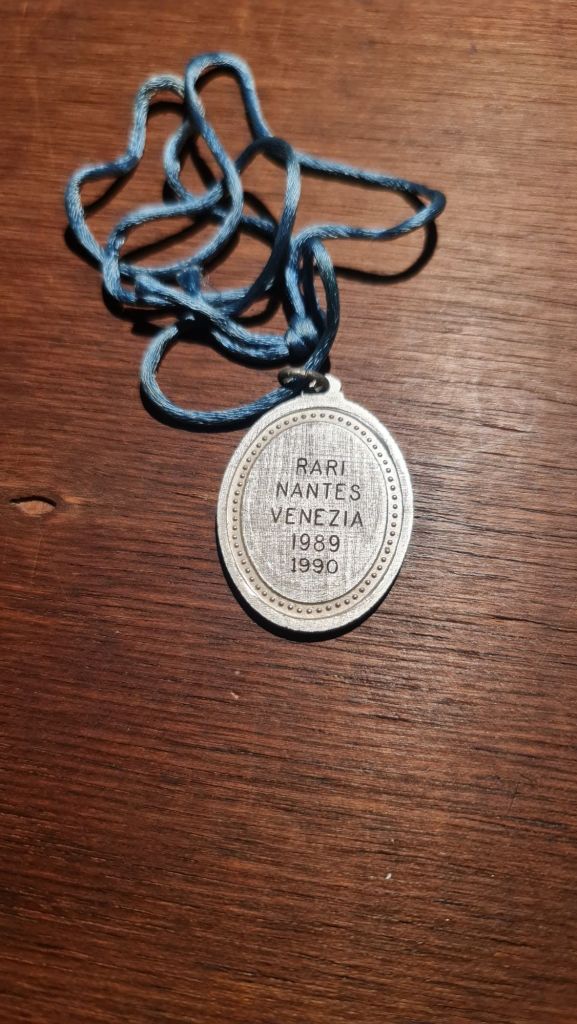
III. La Medaja de l’Acqua Rari Nantes, Venexia, millenovecento otant’novo. Un putèl nuotava, el respiro contro l’onda. Adesso, el mar no ricòrda, ma ‘l corpo sì, come Aquileia disfà, ricòrda i muri brusai dai Unni.
IV. La Statua del Cavalièr Fèrro in piedi, spade drizzada, scudi che no serve. Sub muris Aquileiae, i usèi vola liberi. El cavalièr resta piantà, come l’ànime che no trova porto.
V. Le Tore de San Ziminian Tore alte, orgòio de famìe, foresta de piera. Ma tuti casca. Urbs cadit, fluctus superant. San Ziminian xe solo memoria de vanità.
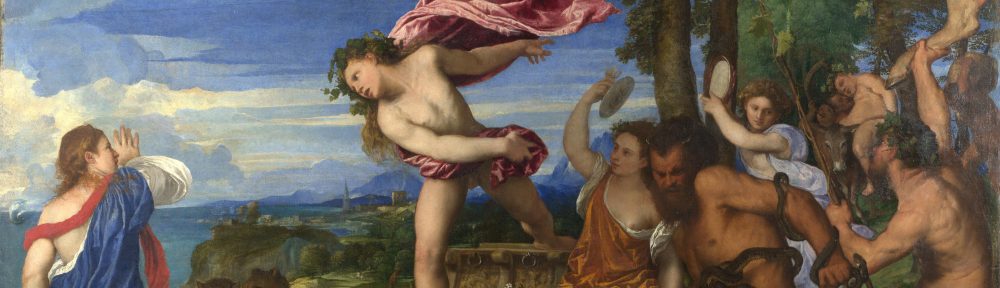
VI. Baccho e i Soi Evoe Bacche! Grida, bestie, danze. Euforia, po’ dolór— sempre cusì. El ciclo che ne stanca, che ne fraca l’ali.
VII. La Scola de i Filosofi Platón al ciel, Aristòtel in tera. Verba volant, disputationes sine fine. Noi, in mezo, come peregrini, sempre senza concluder gnente.
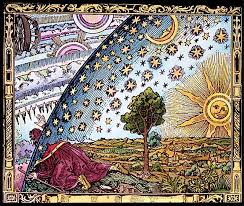
VIII. L’Elefante Divin E po’, in oriente, un dio che ride, cavalca fogo e luna. Obstacula viae sunt. El dise: la caduda xe volo, la ruota xe destino, e se pol tornar.
IX. I Spiccioli de la Vedova Una femena povera buta do schei. Magis quam divites obtulit. Forse anca el pianzer póle vegnir offerta. Nissun dono se perde, se el cuòr xe tuto.
X. La Caduda Che senso gà, se in ogni caso se casca?
Apparent rari nantes in gurgite vasto, così cantava Virgilio, e noi ghe credemo, perché anca Aquileia brusava, e i muri caschéa in tera, co l’Unni rivài come tempesta.
Ma dal fogo nasce l’aqua, dai morti compagni nasce un popolo novo. La fuga xe semensa: le barche, le isole, el salso.
Fugientes Aquileia, sed fundantes Venetias.
E cusì, la caduda no la xe fine, ma principio.
XI. Venezia Morta, ma i Popoli del Mare
Ora Venezia è morta. I turisti l’hanno consumata, i bottegai l’hanno venduta, l’anima se n’è andata come nebbia sopra la laguna.
Ma i popoli del mare non muoiono con le pietre. Si alzano, fuggono ancora, portano con sé la memoria del sale, e su un’altra riva, in un’altra alba, fonderanno città nuova.
The Seeker: “I suffer. From my pain, I glimpse an old truth. Even within the monotheist story — even within Christ’s own body — suffering can be read as gift. A doorway, a ladder. Jesus was not less beloved for the cross; he was more awake, more fused with God. So perhaps God grants suffering — not as punishment, but as invitation.”
The Catechist: “Stop. This is not accepted. God does not send suffering. He permits it, He consoles, He strengthens. But He does not gift suffering. That interpretation is error, confusion — anathema.”
Scene II: The Core Objection
The Seeker: “But if I name suffering a gift, I am not damning God. I am elevating the unbearable into meaning, saying: even here, God is present.”
The Catechist: “You twist the teaching. You mislead. We are too small to understand; only the Church guards the truth. To say otherwise is dangerous — it would scandalize children, weaken faith. I must correct you.”
Scene III: Echoes of the Past
The Seeker: “These are not your words. They are the reflex of the catechism, repeated like a spell. I have seen this before. Bruno, in Venice, said: ‘The Son is intellect, the Spirit is love, the Father is One — not three substances but three radiances.’ The inquisitors called it heresy, not inquiry. They branded the thought itself violence, the thinker himself a danger.”
The Catechist: “History is past. Forgive, forget. Do not exhume the flames.”
The Seeker: “But the fire still burns. It burned Bruno, and it burns now — not flesh, but minds. Every time suffering is stripped of meaning, every time thought is reduced to obedience, the pyre is relit.”
Scene IV: Campo de’ Fiori and Return
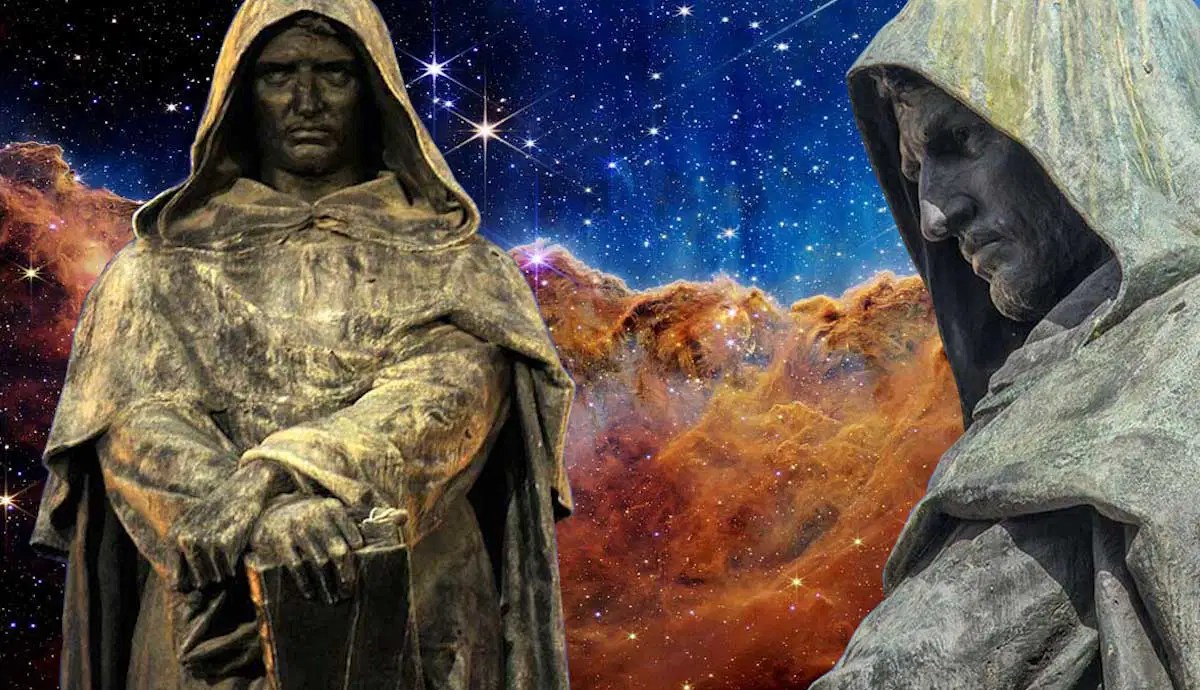
Narrator: In 1600, at Campo de’ Fiori, the man of infinite worlds was bound and gagged. His words were declared unfit for human ears. The crowd was told: “This is for your safety.”
The same logic lives on:
The Seeker calls suffering a gift.
The Catechist calls it error, unfit for children.
The institution still whispers: “We must protect the flock from dangerous meanings.”
But the infinite cannot be bound. Bruno’s words rise through smoke. The Seeker’s words pierce catechism. Every child will someday ask: What does my suffering mean? And no catechism will suffice.
Scene V: The Archetype Unveiled
This is the ancient war:
On one side: the Infinite, which multiplies meanings, refuses closure, dares to name suffering as gift, not curse.
On the other side: Dogma, which narrows meaning, enforces uniformity, fears ambiguity as danger.
Bruno stood in that war, and burned. The Seeker stands in it now, accused of sarcasm, heaviness, violence. The battlefield is not only the square of Rome but every conversation where free thought meets catechism.
Closing Note
To reframe suffering as gift is not to blaspheme. It is to speak the same bold language that Bruno spoke of the stars: “Even pain belongs to the infinite.”
And to call that blasphemy, to gag it, to reduce it to “an error corrected” — that is the idiocy of dogma.
Scena I: Il Dono
Il Cercatore: «Io soffro. Dal mio dolore intravedo un’antica verità. Anche dentro la storia monoteista — persino nel corpo stesso di Cristo — la sofferenza può essere letta come dono. Una soglia, una scala. Gesù non fu meno amato per la croce; fu più desto, più fuso con Dio. Forse allora Dio dona la sofferenza — non come punizione, ma come invito.»
La Catechista: «Fermati. Questo non è accettato. Dio non manda la sofferenza. Egli la permette, consola, fortifica. Ma non la dona. Questa interpretazione è errore, confusione — anatema.»
Scena II: L’Obiezione Centrale
Il Cercatore: «Ma se chiamo dono la sofferenza, non sto bestemmiando Dio. Sto elevando l’insopportabile a significato, dicendo: anche qui Dio è presente.»
La Catechista: «Tu distorci l’insegnamento. Induci in errore. Siamo troppo piccoli per capire; solo la Chiesa custodisce la verità. Dire altrimenti è pericoloso — scandalizzerebbe i bambini, indebolirebbe la fede. Io devo correggerti.»
Scena III: Echi del Passato
Il Cercatore: «Queste non sono parole tue. Sono il riflesso del catechismo, ripetuto come formula. L’ho già visto. Bruno, a Venezia, disse: “Il Figlio è intelletto, lo Spirito è amore, il Padre è Uno — non tre sostanze ma tre raggi.” Gli inquisitori lo chiamarono eresia, non ricerca. Marchiarono il pensiero stesso come violenza, il pensatore come pericolo.»
La Catechista: «La storia è passata. Perdona, dimentica. Non riesumare le fiamme.»
Il Cercatore: «Ma il fuoco brucia ancora. Bruciò Bruno, e brucia oggi — non le carni, ma le menti. Ogni volta che la sofferenza è privata di significato, ogni volta che il pensiero è ridotto all’obbedienza, il rogo si riaccende.»
Scena IV: Campo de’ Fiori e Ritorno
Narratore: Nel 1600, a Campo de’ Fiori, l’uomo dei mondi infiniti fu legato e imbavagliato. Le sue parole dichiarate indegne d’essere udite. Alla folla fu detto: «È per la vostra sicurezza.»
La stessa logica vive ancora:
Il Cercatore chiama la sofferenza dono.
La Catechista la chiama errore, inadatta ai bambini.
L’istituzione sussurra ancora: «Proteggiamo il gregge dai significati pericolosi.»
Ma l’infinito non si lascia legare. Le parole di Bruno risalgono dal fumo. Quelle del Cercatore forano il catechismo. Ogni bambino un giorno chiederà: Che senso ha la mia sofferenza? E nessun catechismo basterà.
Scena V: L’Archetipo
Questa è la guerra antica:
Da una parte: l’Infinito, che moltiplica i significati, rifiuta la chiusura, osa nominare la sofferenza come dono.
Dall’altra: il Dogma, che restringe i significati, impone uniformità, teme l’ambiguità come minaccia.
Bruno stette in quella guerra, e bruciò. Il Cercatore vi sta ora, accusato di sarcasmo, pesantezza, violenza. Il campo di battaglia non è solo la piazza di Roma ma ogni conversazione dove il libero pensiero incontra il catechismo.
Nota Finale
Riframare la sofferenza come dono non è bestemmia. È parlare la stessa lingua audace con cui Bruno parlava delle stelle: «Anche il dolore appartiene all’infinito.»
E chiamare ciò bestemmia, imbavagliarlo, ridurlo a “errore corretto” — questa è l’idolatria stolta del dogma.
Scaena I: Donum
Quaerens: «Patior. Ex dolore meo antiquum lumen conspicio. Etiam intra historiam monotheisticam — immo in ipso corpore Christi — passio legi potest ut donum. Limen, scala. Iesus non minus dilectus est propter crucem; magis vigil, magis unitus Deo. Forsitan ergo Deus passionem dat — non ut poenam, sed ut invitationem.»
Catechista: «Siste. Hoc non recipitur. Deus passionem non mittit. Permittit, consolatur, roborat. Sed non donat. Haec interpretatio est error, confusio — anathematum.»
Scaena II: Obiectio
Quaerens: «Si passionem donum nomino, Deum non blasphemo. Ineluctabile in sensum tollo, dicens: etiam hic Deus adest.»
Catechista: «Doctrinam pervertis. Decipis. Parvi sumus ad intellegendum; sola Ecclesia custodit veritatem. Aliud dicere periculosum est — pueros scandalizabit, fidem infirmabit. Ego corrigere debeo.»
Scaena III: Resonantia Praeteriti
Quaerens: «Non tua verba haec sunt. Catechismi resonantia sunt, formulae. Hoc iam vidi. Brunus Nolanus, Venetiis, dixit: ‘Filius est intellectus, Spiritus est amor, Pater est Unus — non tres substantiae sed tres radii.’ Inquisitores id vocaverunt haeresim, non quaestionem. Ipsam cogitationem violentam, ipsum cogitantem periculosum decreverunt.»
Catechista: «Historia praeteriit. Ignosce, obliviscere. Flammas ne resuscites.»
Quaerens: «Sed ignis adhuc ardet. Brunum combussit, et nunc ardet — non carnes, sed mentes. Quotiens passio sensu privata est, quotiens cogitatio in oboedientiam redacta, rogus iterum accenditur.»
Scaena IV: Campus Florum et Reditus
Narrator: Anno MDC, in Campo Florum, vir mundorum infinitarum ligatus et obstrictus est. Verba eius indigna auditu iudicata. Turbae dictum est: “Pro vestra securitate.”
Eadem ratio hodie vivit:
Quaerens passionem donum vocat.
Catechista errorem dicit, pueris indignum.
Institutio adhuc susurrat: “Grex a significationibus periculosis servandus est.”
Sed infinitum ligari non potest. Bruni verba e fumo resurgunt. Quaerentis verba catechismum perforant. Quilibet puer aliquando rogabit: Quid valet passio mea? Et nullus catechismus sufficiet.
Illinc: Dogma, quod significationes contrahit, uniformitatem imponit, ambiguitatem velut minas horret.
Brunus in illa pugna stetit, et arsit. Quaerens nunc ibi stat, accusatus sarcasmi, gravitatis, violentiae. Campus pugnae non solum Romae forum est, sed omnis collocutio ubi liberum cogitatum catechismum offendit.
Epilogus
Passionem donum vocare non est blasphemia. Est eadem lingua audax, qua Brunus de stellis locutus est: «Etiam dolor ad infinitum pertinet.»
Id autem blasphemiam vocare, illud obstruere, “errorem correctum” dicere — hoc est stulta idololatria dogmatis.
Ο Αναζητητής: «Υποφέρω. Μέσα στον πόνο μου αντικρίζω μια παλιά αλήθεια. Ακόμη και στην μονοθεϊστική ιστορία — ακόμη και στο ίδιο το σώμα του Χριστού — ο πόνος μπορεί να διαβαστεί ως δώρο. Κατώφλι, σκάλα. Ο Ιησούς δεν αγαπήθηκε λιγότερο εξαιτίας του σταυρού· αγαπήθηκε περισσότερο, πιο άγρυπνος, πιο ενωμένος με τον Θεό. Ίσως λοιπόν ο Θεός να δίνει τον πόνο — όχι ως τιμωρία, αλλά ως πρόσκληση.»
Η Κατηχήτρια: «Σταμάτα. Αυτό δεν γίνεται δεκτό. Ο Θεός δεν στέλνει τον πόνο. Επιτρέπει, παρηγορεί, δυναμώνει. Αλλά δεν τον προσφέρει ως δώρο. Αυτή η ερμηνεία είναι λάθος, σύγχυση — ανάθεμα.»
Σκηνή ΙΙΙ: Αντίλαλοι του Παρελθόντος
Ο Αναζητητής: «Αυτές δεν είναι δικές σου λέξεις· είναι η αντήχηση του κατηχισμού, σαν ξόρκι επαναλαμβανόμενο. Το έχω ξαναδεί. Ο Μπρούνο, στη Βενετία, είπε: ‘Ο Υιός είναι ο νους, το Πνεύμα είναι η αγάπη, ο Πατέρας είναι Ένας — όχι τρεις ουσίες αλλά τρεις ακτίνες.’ Οι ιεροεξεταστές το ονόμασαν αίρεση, όχι αναζήτηση. Χαρακτήρισαν την ίδια τη σκέψη βία, τον ίδιο τον στοχαστή κίνδυνο.»
Η Κατηχήτρια: «Η ιστορία ανήκει στο παρελθόν. Συγχώρεσε, ξέχνα. Μην ανασκαλεύεις τις φλόγες.»
Ο Αναζητητής: «Μα η φωτιά καίει ακόμη. Έκαψε τον Μπρούνο, και τώρα καίει — όχι τις σάρκες, αλλά τα μυαλά. Κάθε φορά που ο πόνος γυμνώνεται από νόημα, κάθε φορά που η σκέψη περιορίζεται σε υπακοή, η πυρά ανάβει ξανά.»
Σκηνή IV: Campo de’ Fiori και Επιστροφή
Αφηγητής: Το 1600, στο Campo de’ Fiori, ο άνθρωπος των άπειρων κόσμων δέθηκε και φιμώθηκε. Τα λόγια του κρίθηκαν ανάξια για ανθρώπινα αυτιά. Στο πλήθος ειπώθηκε: «Είναι για την ασφάλειά σας.»
Η ίδια λογική ζει ακόμη:
Ο Αναζητητής ονομάζει τον πόνο δώρο.
Η Κατηχήτρια τον αποκαλεί λάθος, ακατάλληλο για τα παιδιά.
Το ίδρυμα ακόμη ψιθυρίζει: «Πρέπει να προστατεύσουμε το ποίμνιο από επικίνδυνες σημασίες.»
Μα το άπειρο δεν μπορεί να δεθεί. Τα λόγια του Μπρούνο σηκώνονται μέσα από τον καπνό. Τα λόγια του Αναζητητή τρυπούν τον κατηχισμό. Κάθε παιδί θα ρωτήσει κάποτε: Τι σημαίνει ο πόνος μου; Και κανένας κατηχισμός δεν θα είναι αρκετός.
Σκηνή V: Το Αρχέτυπο
Αυτή είναι η αρχαία μάχη:
Απ’ τη μια: το Άπειρο, που πολλαπλασιάζει τα νοήματα, αρνείται το κλείσιμο, τολμά να ονομάσει τον πόνο δώρο.
Απ’ την άλλη: το Δόγμα, που στενεύει τα νοήματα, επιβάλλει ομοιομορφία, φοβάται την αμφιβολία σαν απειλή.
Ο Μπρούνο στάθηκε σε αυτή τη μάχη και κάηκε. Ο Αναζητητής στέκεται τώρα εκεί, κατηγορούμενος για ειρωνεία, βαρύτητα, βία. Το πεδίο της μάχης δεν είναι μόνο η πλατεία της Ρώμης, αλλά κάθε συζήτηση όπου η ελεύθερη σκέψη συναντά τον κατηχισμό.
Επίλογος
Να αναπλαισιώνεις τον πόνο ως δώρο δεν είναι βλασφημία. Είναι η ίδια τολμηρή γλώσσα με την οποία ο Μπρούνο μίλησε για τα άστρα: «Ακόμη και ο πόνος ανήκει στο άπειρο.»
Και να το λες αυτό βλασφημία, να το φιμώνεις, να το μειώνεις σε «ένα διορθωμένο λάθος» — αυτή είναι η μωρία του δόγματος.
Szene I: Die Gabe
Der Suchende: „Ich leide. In meinem Schmerz erblicke ich eine alte Wahrheit. Selbst im monotheistischen Mythos — ja, im Leib Christi selbst — kann Leiden als Gabe gelesen werden. Eine Schwelle, eine Leiter.
Luther sprach von der theologia crucis: dass Gott nicht in der Macht, sondern in der Schwachheit offenbar wird. Das Kreuz selbst ist nicht Strafe, sondern Offenbarung.
Jesus war nicht weniger geliebt wegen des Kreuzes; er war wacher, inniger mit Gott verbunden. Vielleicht also gibt Gott das Leiden — nicht als Strafe, sondern als Einladung.“
Die Katechistin: „Halt. Das ist nicht akzeptiert. Gott sendet das Leiden nicht. Er erlaubt, er tröstet, er stärkt. Aber er schenkt es nicht. Diese Deutung ist Irrtum, Verwirrung — Anathema.“
Szene II: Der Kern der Einwendung
Der Suchende: „Doch wenn ich das Leiden eine Gabe nenne, lästere ich Gott nicht. Ich erhöhe das Unerträgliche zu Sinn, indem ich sage: Auch hier ist Gott gegenwärtig.“
Die Katechistin: „Du verdrehst die Lehre. Du verführst. Wir sind zu klein, um zu verstehen; nur die Kirche bewahrt die Wahrheit. Anders zu sprechen ist gefährlich — es würde Kinder erschüttern, den Glauben schwächen. Ich muss dich berichtigen.“
Szene III: Echos der Vergangenheit
Der Suchende: „Das sind nicht deine Worte. Es ist der Reflex des Katechismus, wiederholt wie ein Zauberspruch. Ich habe es schon gesehen. Bruno, in Venedig, sprach: ‚Der Sohn ist der Intellekt, der Geist ist die Liebe, der Vater ist der Eine — nicht drei Substanzen, sondern drei Strahlen.‘
Die Inquisitoren nannten es Häresie, nicht Forschung. Sie brandmarkten das Denken selbst als Gewalt, den Denker selbst als Gefahr.“
Die Katechistin: „Die Geschichte ist vorbei. Vergib, vergiss. Grabe die Flammen nicht wieder aus.“
Der Suchende: „Aber das Feuer brennt noch. Es verbrannte Bruno, und es brennt jetzt — nicht das Fleisch, sondern die Geister.
Hegel hätte gesagt: das Leiden ist der Weg des Geistes zur Freiheit. Und Heidegger: das Dasein ist Sein-zum-Tode — das Leiden enthüllt die Wahrheit des Seins.
Jedes Mal, wenn das Leiden seines Sinnes beraubt wird, jedes Mal, wenn das Denken in Gehorsam gepresst wird, wird der Scheiterhaufen neu entzündet.“
Szene IV: Campo de’ Fiori und Rückkehr
Erzähler: Im Jahr 1600, auf dem Campo de’ Fiori, wurde der Mann der unendlichen Welten gebunden und geknebelt. Seine Worte wurden für unwürdig erklärt, gehört zu werden. Dem Volk sagte man: „Es ist zu eurer Sicherheit.“
Doch die gleiche Logik lebt fort:
Der Suchende nennt das Leiden eine Gabe.
Die Katechistin nennt es Irrtum, untragbar für Kinder.
Die Institution flüstert immer noch: „Wir müssen die Herde vor gefährlichen Bedeutungen schützen.“
Aber das Unendliche lässt sich nicht binden. Brunos Worte steigen aus dem Rauch. Die Worte des Suchenden durchbohren den Katechismus.
Und jedes Kind wird eines Tages fragen: Welchen Sinn hat mein Leiden? Und kein Katechismus wird genügen.
Szene V: Das Archetypische Bild
Dies ist der alte Krieg:
Auf der einen Seite: das Unendliche, das Bedeutungen vervielfältigt, Abschlüsse verweigert, wagt, das Leiden Gabe zu nennen, nicht Fluch.
Auf der anderen Seite: das Dogma, das Sinn verengt, Gleichförmigkeit erzwingt, Mehrdeutigkeit als Gefahr fürchtet.
Bruno stand in diesem Krieg, und er brannte. Der Suchende steht nun darin, angeklagt des Sarkasmus, der Schwere, der Gewalt.
Das Schlachtfeld ist nicht nur der Platz in Rom, sondern jedes Gespräch, in dem freies Denken dem Katechismus begegnet.
Schlussnote
Das Leiden als Gabe zu verstehen ist keine Lästerung. Es ist dieselbe kühne Sprache, mit der Bruno von den Sternen sprach: „Auch der Schmerz gehört zum Unendlichen.“
Und dies Blasphemie zu nennen, es zu knebeln, es zu verkleinern zu einem „berichtigen Irrtum“ — das ist die Torheit des Dogmas.
Campo de’ Fiori, 6:02
(∞ across tongues / linguis infinitis)
English (root): They tied a book to his tongue because the stars wouldn’t keep quiet.
Italiano: Legarono un libro alla sua lingua perché le stelle non volevano tacere.
日本語 (Japanese): 彼の舌に本を縛りつけた、 星々が沈黙を拒んだから。
English: Dogma is a ladder that fears the sky. It sells tickets to the attic and calls it cosmos, then fines you for opening a window.
Deutsch (German): Dogma ist eine Leiter, die den Himmel fürchtet. Es verkauft Karten zum Dachboden und nennt es Kosmos, und straft dich, wenn du ein Fenster öffnest.
English: Bruno looked through the window. He saw exile kissing exile on a thousand suns, mind poured into everywhere, love distributed like rain that forgot how to stop.
Ἑλληνικά (Greek, Modern): Ο Μπρούνο κοίταξε μέσα από το παράθυρο. Είδε εξορία να φιλά εξορία σε χίλιους ήλιους, νους χυμένος παντού, αγάπη μοιρασμένη σαν βροχή που ξέχασε να σταματήσει.
English: “Recant,” said the arithmetic of punishment. But how do you recant from breathing?
Latina (Latin): «Abiura,» dixit arithmetica poenae. Sed quomodo abiuros ab ipso spiritu?
English: Foolish math: subtracting a body from a plaza does not erase the plaza of worlds.
Italiano: Matematica stolta: sottrarre un corpo da una piazza non cancella la piazza dei mondi.
日本語: 愚かな算術――広場から一つの身体を引いても、 無数の世界の広場は消えない。
English: The infinite is not a verdict, it’s an invitation.
Deutsch: Das Unendliche ist kein Urteil, sondern eine Einladung.
English (closing): Giordano, brother of open windows, may our tongues be unbooked, our maps revised by night, and our faith—if we must have one— be the faith that burns the rope, not the man.
Latina: Iordanus, frater fenestrarum apertarum, linguae nostrae solvantur, mappae nocte corrigantur, et fides—si habenda est— sit fides quae vincula comburit, non hominem.
Rwyt ti’n dal i ddal gafael yn dynn yn y dwylo bregus hynny.
Hyd yn oed os cei dy fradychu, Hyd yn oed yn y tywyllwch, Rwyt ti’n parhau i fod yn olau.
Rydym yn gwylio, Ac rwyt ti’n gwylio ynom ni.
Ancient Greek (Koine/Attic blend)
(simple, hymn-like diction)
Μικρὸν πῦρ, οὐ σβέννυσαι.
ἐν χειρὶ ἀσθενεῖ, ἔτι φέρεις.
κἂν ἐν προδοσίᾳ, κἂν ἐν νυκτί, μένεις φῶς.
γρηγοροῦμεν, καὶ γρηγορεις ἐν ἡμῖν.
Latin (classical, liturgical style)
Parva flamma, non exstingueris.
In manu fragili, adhuc tenēris.
Etiam in proditione, etiam in nocte, manēs lūmen.
Vigilāmus, et vigiās in nōbīs.
Etruscan (reconstructed, poetic)
(Note: grammar and vocabulary are fragmentary; many words are uncertain. Below is a plausible evocation using known roots and inferred forms, more chant than translation)
Śuthiu lupu, θanśal χi.
Manuθ fragile, θa ara.
Cali prutux, cali nurφ, θam lupu.
Mi θu, θu mini.
(Gloss: “Little flame, you do not die. In the fragile hand, you remain. Even in betrayal, even in night, you are flame. We watch, you in us.”)


 Space Epics - Stories from the Multi-Verse