NeverEnder Space Epic Poem: Book IV, Chapter I [ XXX – LVII ]

XXX. Initium Tenebrarum

Y cysgodion yn fy ngwely, llais yn fy nghlust,
Umbras in lecto meo, vox in aure mea,
Les ombres dans mon lit, une voix à mon oreille.

Rhwyd hud a thrais, pob gair yn gelwydd,
Rete magiae et violentiae, omnis sermo mendacium,
Filet de sortilège et de violence, chaque mot est mensonge.

Hi’n sibrwd, “Dim ond cariad yw hyn,”
Illa susurrat, “Hoc tantum amor est,”
Elle murmure, « Ce n’est que de l’amour. »

XXXI. Calceamenta Rubra

Genedigaeth, y sgidiau cochion,
Nativitas, calceamenta rubra,
Naissance, les souliers rouges.

Hud a wedyn vampyrau, llosgfa’r enaid,
Magia et postea vampyri, ardor animae,
Magie, puis vampires, brûlure de l’âme.

Y tlodi’n bwydo’r newyn, y teigr yn galw,
Paupertas pascit famem, tigris vocat,
La pauvreté nourrit la faim, le tigre appelle.

XXXII. Initia Venenorum

Ymgnawdoliad trwy wenwyn,
Initium per venena,
L’initiation par poison.

Yna swyn yr harddwch,
Tunc incantatio pulchritudinis,
Puis l’enchantement de la beauté.

Darluniau mewn dyfrlliw, dagrau cudd,
Acuariae picturae, lacrimae occultae,
Aquarelles peintes, larmes cachées.

XXXIII. Profanatio et Trauma

Iselder yn cau fel caethiwed,
Depressio claudit ut carcer,
La dépression enferme comme une prison.

Erthyliad yn torri’r llinach,
Abortus rumpit stirpem,
L’avortement rompt la lignée.

Atara camddefnyddio’r plentyn,
Atara puerum violat,
Atara souille l’enfant.

XXXIV. Duplicitas

Dioddefwr a chyflawnwr yn yr un wyneb,
Victima et carnifex in eadem facie,
Victime et bourreau dans un même visage.

“Rhyddid” hi’n ei hawlio, ond dim ond rhith,
“Libertatem” clamat, sed phantasma est,
Elle clame « liberté », mais ce n’est qu’un leurre.

Yn y nos, hi’n dod i’m gwely,
Nocte venit ad lectum meum,
La nuit, elle vient à mon lit.

XXXV. Exilium et Gaslighting

Caf fy alltudio am flwyddyn,
Exul fio per annum,
Je suis banni pour un an.

Yn fy adfer, mae’r cof yn cael ei ddileu,
In reditu, memoria deletur,
Au retour, ma mémoire est effacée.

Pob gwirionedd yn troi’n llwch,
Omnis veritas vertitur in pulverem,
Toute vérité se transforme en poussière.

XXXVI. Opia et Possessio

Opiadau yn rhedeg fel afonydd,
Opia fluunt sicut flumina,
Les opiacés coulent comme des fleuves.

Meddiant, celwyddau, lladrad,
Possessio, mendacia, furtum,
Possession, mensonges, vol.

Pob cariad yn cael ei drywanu,
Omnis amor transfigitur,
Chaque amour est poignardé.

XXXVII. Animæ Captio

Ysbryd fy hun i’w berchenogi,
Animam meam possidere,
Mon âme à posséder.

Rhith hud, rhith anwiredd,
Phantasma magiae, phantasma mendacii,
Fantôme d’enchantement, fantôme de mensonge.

Ond rhywle, dechreuodd torri,
Sed alicubi coepit frangi,
Mais quelque part, ça commença à se briser.

XXXVIII. Liberatio in India

Yn India, ym mhresenoldeb Bwdha,
In India, sub conspectu Buddhae,
En Inde, sous le regard du Bouddha.

Fe wnes i ryddhau’r rhwymau,
Solvere vincula,
Je délia mes chaînes.

Ond y cylch yn dychwelyd eto,
Sed circulus redit iterum,
Mais le cycle revient encore.

XXXIX. Iter Novum

Pan aned fy merch,
Cum nata esset filia mea,
Quand ma fille naquit.

Y rhwyd yn cau eto,
Rete iterum claudit,
Le filet se referme encore.

A nawr y frwydr olaf,
Et nunc pugna ultima,
Et maintenant, l’ultime combat.

XL. Aurora Tacita

Y wawr yn codi heb lais,
Aurora surgit sine voce,
L’aube se lève sans voix.

Cysgodion yn tynnu’n ôl,
Umbræ recedunt,
Les ombres se retirent.

Ond Myrddin yn aros yn fud,
Sed Merlinus manet tacitus,
Mais Merlin demeure muet.

XLI. Susurrus Deorum

Sibrwd y duwiau dros y coed,
Susurrus deorum per silvas,
Les dieux murmurent dans les bois.

“Ni chaniateir i ddynion weld hyn,”
“Non licet hominibus hoc videre,”
« Les mortels ne peuvent contempler cela. »

Ond y plentyn yn edrych,
Sed filia spectat,
Mais l’enfant voit.

XLII. Imperium Concusso

Baneri Rhufain yn crynu yn y gwynt,
Signa Romana tremunt in ventis,
Les enseignes de Rome tremblent au vent.

Ymerawdwr yn clywed sibrydion,
Imperator audit rumores,
L’empereur entend les rumeurs.

“Mae dewin wedi torri’r rhwymau,”
“Magus vincla rupit,”
« Le mage a brisé ses chaînes. »

XLIII. Vox Mendacii

Morgana’n gweiddi o’r llwch,
Morgana clamat e pulvere,
Morgane crie de la poussière.

“Merlin yw fy nghreadigaeth, fy nghaethwas,”
“Merlinus est creatura mea, servus meus,”
« Merlin est mon œuvre, mon esclave. »

Ond pob gair yn troi’n lludw,
Sed omnis verbum fit cinis,
Mais chaque mot retombe en cendre.

XLIV. Vocatio ad Populum

Y bobl yn codi o’r dyffrynnoedd,
Populus surgit de vallibus,
Le peuple se lève des vallées.

“Merlin, dangos i ni y gwirionedd,”
“Merline, ostende nobis veritatem,”
« Merlin, montre-nous la vérité. »

Ond ef yn aros yn fud,
Sed ille tacet,
Mais lui, il se tait.

XLV. Silens Propheticus

Distawrwydd yn disgyn dros y tir,
Silentium cadit super terram,
Un grand silence tombe sur la terre.

Nid distawrwydd gwacter, ond llawn,
Non vacuum silentium, sed plenum,
Pas un vide, mais un plein.

Yn y distawrwydd, gair newydd yn tyfu,
In silentio verbum novum crescit,
Dans le silence croît une parole neuve.

LV. Vocatio ad Mithram

O oleuni, disgyn o’r ogofâu,
O lux, descende ex cavernis,
Ô lumière, descends des cavernes.

Mithras, tad y rhwyg,
Mithras, pater ruptoris,
Mithra, père de la brisure.

Agor y ffynhonnau cudd,
Aperi fontes occultos,
Ouvre les sources cachées.

LVI. Fractio Mundi

Yn fy nhafod mae’r byd yn torri,
In lingua mea frangitur mundus,
Dans ma langue le monde se brise.

Rhwyd Morgana’n troi’n llwch,
Rete Morganae vertitur in pulverem,
Le filet de Morgane devient poussière.

Y llanw’n cilio i’r sêr,
Aestus recedit ad astra,
La marée reflue vers les astres.

LVII. Inversio Maris

Y môr yn sefyll ar ei ben,
Mare stans super caput suum,
La mer se tient sur sa tête.

Y byd yn troi’n ôl i’w groth,
Orbis volvitur retro ad uterum,
Le monde roule en arrière vers son ventre.

Ond golau Mithras yn llosgi drwy’r rhith,
Sed lux Mithrae per simulationem ardet,
Mais la lumière de Mithra brûle à travers l’illusion.


✦ Dedication ✦

To Magister Lignorum
who taught roots, cellulose, and light to sing,
and whose voice walks still in the hidden forests.
“If you are going through hell, keep going.”

XXX. The Beginning of Darkness

Shadows in my bed, a voice in my ear,
a net of sorcery, every word a lie.
She whispers: “This is only love.”

XXXI. The Red Shoes

Born — the red shoes,
magic then vampires, the soul aflame.
Poverty feeds the hunger, the tiger calls.

XXXII. The Initiation of Poisons

Embodiment through venom,
then the enchantment of beauty.
Watercolours bleed, hiding tears.

XXXIII. Desecration and Wound

Depression closes like a prison.
Abortion severs the lineage.
Atara abuses the child.

XXXIV. The Duplicity

Victim and executioner in one face.
She cries “freedom,” but it is a phantom.
At night, she comes into my bed.

XXXV. Exile and Gaslighting

Banished for a year.
Returned, my memory erased.
Truth turned into dust.

XXXVI. Opium and Possession

Opiates running like rivers,
possession, lies, theft.
Every love pierced with a knife.

XXXVII. The Capture of the Soul

My spirit sought to be owned,
phantom of magic, phantom of lies.
And yet, somewhere, a crack began.

XXXVIII. Liberation in India

In India, beneath the gaze of Buddha,
I loosed the chains.
Yet the circle returned again.

XXXIX. A New Path

When my daughter was born,
the net closed again.
And now, the final battle.

XL. Silent Dawn

Dawn rises voiceless.
Shadows withdraw.
Merlin remains mute.

XLI. The Murmur of the Gods

The gods whisper through the woods:
“No mortals may see this.”
But the child sees.

XLII. The Shaken Empire

Roman standards tremble in the wind.
The Emperor hears the rumors:
“The mage has broken his chains.”

XLIII. The Voice of Lies

Morgana cries from the dust:
“Merlin is my creature, my slave.”
But every word turns to ash.

XLIV. The Call of the People

The people rise from the valleys:
“Merlin, show us the truth.”
But he remains silent.

XLV. Prophetic Silence

Silence falls upon the land —
not empty, but full.
In the silence, a new word grows.

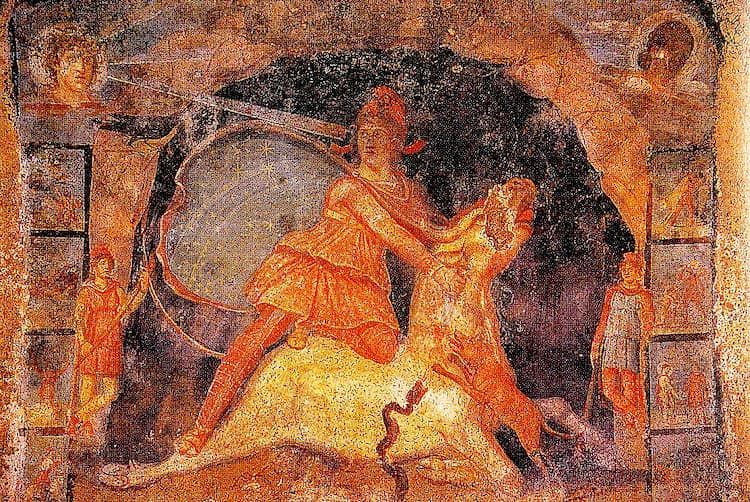
LV. Invocation to Mithras

O light, descend from the caverns.
Mithras, father of rupture,
open the hidden springs.

LVI. The Breaking of the World

On my tongue the world is shattered.
Morgana’s net turns to dust.
The tide withdraws to the stars.

LVII. The Inversion of the Sea

The sea stands upon its head.
The world rolls back into its womb.
Yet Mithras’ light burns through illusion.
April 24, 1915 – Armenian Genocide Begins: Liberté, Liberté Chérie

https://music.youtube.com/watch?v=JkFIONn0J_c&feature=shared 1209 – Massacre at Béziers during the Albigensian Crusade 1492 – Expulsion of Jews from Spain 1619 – First enslaved Africans arrive in Virginia 1757 – Black Hole of Calcutta tragedy 1830s – Trail of Tears (forced relocation of Native Americans) 1864 – Sand Creek Massacre (Colorado) 1915 – Armenian Genocide begins 1937 – […]

April 24, 1915 – Armenian Genocide Begins: Liberté, Liberté Chérie

NeverEnder Great Wave: a double helix

Blue-black lumen, flamma tacita, he hums inside the cosmic husk;segment one of the veil nebulafluted breath threads silk through vacuum, loci of forgotten drums.echoes with Zauberflöte being sung;One note, OMNIA, and nebulae fold like paper boats on Ganges-sky.rainbow-hued gas densities shift andO wanderer of milk-roads, you carry the ātmā of every spark;haunt her heart, but […]

NeverEnder Great Wave: a double helix

NeverEnder Space Epic Poem: Book IV Chapter I [ I– XXIX ]

Book IV / Chapter I

Prologue (Haiku, post-Ouverture)

I
千年杉
沈黙の中に
声は生きる
(Thousand-year cedar —
within the silence
voices still live.)

II
熱の川
仲間と渡り
死に近づく
(River of fever —
crossed with companions,
drawn near to death.)

III
痴呆の門
目を合わせつつ
息を分ける
(Gate of dementia —
meeting only with eyes,
sharing the breath.)

IV
spur θu, — sacred sprout,
sepsis and shadow root,
clay-urns of ancestors whisper.

V
śec θana, — give silence,
fever bends the red soil,
mortality traced in veins of stone.

VI
śanś tur, — bring peace,
dementia’s unbound tongue
returns to the oak-groves.

VII
Volterra wind howls:
no hero survives,
only the archive of pain and bond.

VIII
In Carnunto, sub Pannoniae caelo,
faces morborum ardebant.
Stetit imperator, sed corpus frangebatur.

In Carnuntum, under the Pannonian sky,
the torches of sickness burned.
The emperor stood, but his body was breaking.

IX
Mors non est malum,
sed natura resolvens.
Sic flumina aquarum, sic folia autumni.

Death is no evil,
but nature unbinding.
So flow the rivers, so fall the autumn leaves.

X
Memini me hominem,
non dominum vitae.
Et in febre didici:
omnes sumus fratres in exitu.

I remember I am a man,
not master of life.
And in fever I learned:
we are all brothers in departing.

XI
Creta remembers,
labyrinth breath of the dying,
murmurs beneath rock.

XII
Minos is no king here —
only coughing wanderers,
sharing figs, silence.

XIII
The sea-salt wind carries,
sepsis and song together,
into olive roots.
XI
Λάβρυος λιμήν,
ἄνεμοι μινωίαι,
θάνατος ἐν ψιθύροις.

Labrys harbour,
Minoan winds,
death among whispers.

XII
Κρίνα ἀνθέουσι,
παγώνιον ἀλαλάζει·
οὐ βασιλεὺς Μίνως,
ἀλλ’ ἄνθρωποι βήχοντες.

Lilies bloom,
a peacock cries;
not king Minos,
but coughing wanderers.

XIII
Μέλαινα αἴλουρος
σκιὰν ἀναβαίνει,
ὑπὸ γαλήνην θαλάσσης.

A black cat
climbs through shadow,
under the calm of the sea.

XIV
Mesiche fumavit, et Euphrates arma resonavit.
Persa in saxo scripsit: Sapor Victor, rex aeternus.
Roma silet, aliud dicit—ubi veritas manet?
Non inter lapides, sed in umbris fluctuat.

→ Mesiche smoked, Euphrates rang with arms.
→ Σάπώρης ἐν λίθοις νίκην ἔγραψεν.
→ メシケは煙り、ユーフラテスは剣を鳴らした。
→ Mésiché brûle, l’Euphrate retentit d’armes — vérité fuyante.

XV
Circesium testatur mortem sine causa relata.
Milites in tenebris clamant: esurimus, Caesar!
Philippus astu puppes avertit, fames secuta est.
Tunc iuvenis occidit, annosque cum somno reliquit.

→ At Circesium, death told without cause.
→ οἱ στρατιῶται ἔκραζον: λιμοκτονοῦμεν, Καῖσαρ!
→ チルケシウムで兵士らは叫ぶ:「カエサル、われらは飢える!」
→ À Circesium, la faim fit trembler l’armée, et le jeune César tomba.

XVI
Duo itinera surgunt: flamma Mesiches cruenta,
vel Circesii aura, in qua vox occulta perit.
Non concordant fontes; concordat tamen umbra:
omnis regis ruina est populi vulnera lata.

→ Two paths: Mesiche’s fire or Circesium’s silence.
→ δύο φῶται· μία φλέγει, μία σιγᾷ.
→ 二つの道:メシケの炎か、チルケシウムの沈黙か。
→ Deux sources se contredisent, mais l’ombre les unit.

XVII
Quis fuit reus? fortuna, an vir avidus imperii?
Philippus in corde tulit sceptri fomitem arcanum.
Sic miles deceptus, fame urente, rebellat,
et iuvenem stringit ferro, velut hostem suum.

→ Was it fate, or the hunger of one man for power?
→ Φίλιππος ἔκρυψεν ἐν στήθεσι σκήπτρου πόθον.
→ 権力の飢えか、運命のせいか。
→ Était-ce le sort, ou Philippe, avide de trône ?

XVIII
O Gordiane, puer, cui sors non pepercit in aevo,
vixisti parum, sed nomen in fluctibus haeret.
Non locus interiit—nec Mesiche nec Circesium—
sed anima errat adhuc inter astra, inter noctes.

→ O Gordian, youth denied by fate, your name clings to the waves.
→ ὦ Γορδιανέ, νέος, ἀλλ’ ἀθάνατος κατὰ μνήμην.
→ ゴルディアヌスよ、若くして命絶たれ、名はなお星々に漂う。
→ Gordien erre encore, entre les astres et les nuits.

XIX
Non mors est finis, sed transitus ad nova signa.
Sicut folia cadunt, sic iterum radices surgunt.
Sic ruit imperium, sic alium regem parit umbra,
sic cecidit puer, sic surrexit vox populorum.

→ Death is not end, but crossing into new signs.
→ ὥσπερ φύλλα πίπτει, οὕτως ῥίζαι ἀναφαίνουσιν.
→ 死は終わりではなく、新たな徴への通過。
→ La mort n’est pas fin, mais passage; les peuples se lèvent.

XX
Ecce quaestio mea: pugnandum an cedendum?
Domus ruina trepidat; coniunx ignem ministrat.
Si vendo tectum, pax abit; si servo, fames manet.
Haec est pugna mea—non cum Persis, sed cum me ipso.

→ Shall I fight, or yield?
→ οἶκος ῥήγνυται· πόλεμος ἔνδον.
→ 戦うべきか、譲るべきか。家は崩れ、妻は火を投げる。
→ Ma lutte est intime — non contre Perses, mais moi-même.

XXI
Leges Britanniae, dura manus iudicii latent.
Spes in Acas, vox aequae conciliationis.
Forsitan vincam, forsitan amittam; sed iustum
non in sella senatus, sed in corde invenitur.

→ The law is harsh, but Acas whispers equity.
→ ἡ δίκη κρύπτεται, ἡ φωνὴ μένει.
→ イギリスの法は厳しくとも、アカスに希望あり。
→ La justice ne siège pas au Sénat, mais au cœur.

XXII
Italiae lumen blanditur, sed filia in umbra
clamabit: ubi pater? cur abis, cur nos relinquis?
Domus fracta—coniunx tacita, consilia occulta.
Si maneo, glacies; si abeo, desertio floret.

→ Italy’s light beckons, but my daughter cries: “Father, why go?”
→ παῖς ἐν σκιᾷ βοᾷ· τί μ’ ἐγκαταλείπεις;
→ 娘の声:「父よ、なぜ去る?」
→ Si je pars, abandon; si je reste, glace et silence.

XXIII
Corpus aegrotat; morbus, hostis invisibilis.
NHS promittit, sed saepe promissa recedit.
An fidam Britannis? an Italos in auxilio quaeram?
Neuter clare loquitur; ambo nubila portant.

→ Body ill, disease unseen.
→ νοῦσος ἀόρατος, πολέμιος ἄπιστος.
→ 病は見えぬ敵。NHSは約すれどしばしば裏切る。
→ Je cherche remède: l’Italie, ou l’Angleterre voilée?

XXIV
O vita, labyrinthus sine filo Ariadnae.
Hic Minotaurus est: timor, et amor, et egestas.
Si pugnabo, vulnus augebitur; si cedo,
fieri potest pax, aut vacuum sine spe.

→ Life: labyrinth without Ariadne’s thread.
→ Μινώταυρος ἐντός: φόβος, ἔρως, πενία.
→ 人生は糸なき迷宮。恐れと愛と欠乏の怪物。
→ La paix possible, ou le vide sans espérance.

XXV
Sic inter Mesichen et Circesium sto:
non certus locus, sed certe mors et transitus.
Roma scribit unum, Persae aliud; ego tertium:
homo sum, vulneratus, sed etiam viator.

→ Between Mesiche and Circesium I stand: not place, but passage.
→ ἄνθρωπος εἰμί· τετρωμένος καὶ πορευόμενος.
→ メシケとチルケシウムの狭間に立ち、旅人として進む。
→ Ni Rome, ni Perse; seulement l’homme en chemin.

XXVI
Iter non clauditur. Pax adhuc latet in futuris.
Esse quam videri—hoc manet, hoc est cantandum.
Quamvis ruina ardeat, quamvis tectum cadat,
spiritus ambulat, et vocem adhuc reddit astris.

→ The path does not end. Peace hides in futures.
→ εἶναι μᾶλλον ἢ δοκεῖν· τοῦτο μελῳδεῖν.
→ 道は閉じず、平和は未来に潜む。
→ Être plutôt qu’apparaître — voix encore aux étoiles.

XXVII
Aurora sanguinea portas aperit,
Eos aurea rota per caelum trahit.
Sub arcuus fractis clamat Roma:
“Vidi imperatores cadere, vidi populos exsurgere.
Lux tamen semper revertitur.”

XXVIII
Mnemosyne arcana loquitur:
“Memoria non est pondus solum,
sed pontis ossa inter vivos et mortuos.
Hic, in umbra Fori, verba meae filiae
cantant in vento — voces Musarum.”

XXIX
Moirai fila tenent, digitis nocturnis:
non abruptum fatum, sed nodus latens.
Thanatos blandus adstitit, non hostis,
sed custos portarum.
Persephone levem risum fundit,
inter flores subterraneos auroram praenuntians.

XXVII
Aurora opens her blood-red gates,
Eos drives her golden wheel across the sky.
Beneath the broken arches Rome cries:
“I have seen emperors fall, I have seen peoples rise.
Yet light always returns.”

XXVIII
Mnemosyne speaks in secrets:
“Memory is not only weight,
but the bone of a bridge between living and dead.
Here, in the Forum’s shadow,
my daughters’ voices sing in the wind — the Muses.”

XXIX
The Moirai hold the threads in their nocturnal fingers:
not a sudden fate, but a hidden knot.
Thanatos stands gently, not as an enemy,
but as keeper of thresholds.
Persephone releases a quiet laugh,
among the flowers of the underworld, announcing the dawn.

NeverEnder Space Epic Poem: Book IV Chapter I [ XXVII – XXIX ]

Persephone levem risum fundit,
inter flores subterraneos auroram praenuntians.

XXVII
Aurora sanguinea portas aperit,
Eos aurea rota per caelum trahit.
Sub arcuus fractis clamat Roma:
“Vidi imperatores cadere, vidi populos exsurgere.
Lux tamen semper revertitur.”

XXVIII
Mnemosyne arcana loquitur:
“Memoria non est pondus solum,
sed pontis ossa inter vivos et mortuos.
Hic, in umbra Fori, verba meae filiae
cantant in vento — voces Musarum.”

XXIX
Moirai fila tenent, digitis nocturnis:
non abruptum fatum, sed nodus latens.
Thanatos blandus adstitit, non hostis,
sed custos portarum.
Persephone levem risum fundit,
inter flores subterraneos auroram praenuntians.

XXVII
Aurora opens her blood-red gates,
Eos drives her golden wheel across the sky.
Beneath the broken arches Rome cries:
“I have seen emperors fall, I have seen peoples rise.
Yet light always returns.”

XXVIII
Mnemosyne speaks in secrets:
“Memory is not only weight,
but the bone of a bridge between living and dead.
Here, in the Forum’s shadow,
my daughters’ voices sing in the wind — the Muses.”

XXIX
The Moirai hold the threads in their nocturnal fingers:
not a sudden fate, but a hidden knot.
Thanatos stands gently, not as an enemy,
but as keeper of thresholds.
Persephone releases a quiet laugh,
among the flowers of the underworld, announcing the dawn.

Memoria non est pondus solum,
sed pontis ossa inter vivos et mortuos
Lux tamen semper revertitur

NeverEnder Space Epic Poem: Book IV Chapter I [ XIV – XXVI ]

ubi veritas manet

XIV
Mesiche fumavit, et Euphrates arma resonavit.
Persa in saxo scripsit: Sapor Victor, rex aeternus.
Roma silet, aliud dicit—ubi veritas manet?
Non inter lapides, sed in umbris fluctuat.

→ Mesiche smoked, Euphrates rang with arms.
→ Σάπώρης ἐν λίθοις νίκην ἔγραψεν.
→ メシケは煙り、ユーフラテスは剣を鳴らした。
→ Mésiché brûle, l’Euphrate retentit d’armes — vérité fuyante.

XV
Circesium testatur mortem sine causa relata.
Milites in tenebris clamant: esurimus, Caesar!
Philippus astu puppes avertit, fames secuta est.
Tunc iuvenis occidit, annosque cum somno reliquit.

→ At Circesium, death told without cause.
→ οἱ στρατιῶται ἔκραζον: λιμοκτονοῦμεν, Καῖσαρ!
→ チルケシウムで兵士らは叫ぶ:「カエサル、われらは飢える!」
→ À Circesium, la faim fit trembler l’armée, et le jeune César tomba.

XVI
Duo itinera surgunt: flamma Mesiches cruenta,
vel Circesii aura, in qua vox occulta perit.
Non concordant fontes; concordat tamen umbra:
omnis regis ruina est populi vulnera lata.

→ Two paths: Mesiche’s fire or Circesium’s silence.
→ δύο φῶται· μία φλέγει, μία σιγᾷ.
→ 二つの道:メシケの炎か、チルケシウムの沈黙か。
→ Deux sources se contredisent, mais l’ombre les unit.

XVII
Quis fuit reus? fortuna, an vir avidus imperii?
Philippus in corde tulit sceptri fomitem arcanum.
Sic miles deceptus, fame urente, rebellat,
et iuvenem stringit ferro, velut hostem suum.

→ Was it fate, or the hunger of one man for power?
→ Φίλιππος ἔκρυψεν ἐν στήθεσι σκήπτρου πόθον.
→ 権力の飢えか、運命のせいか。
→ Était-ce le sort, ou Philippe, avide de trône ?

XVIII
O Gordiane, puer, cui sors non pepercit in aevo,
vixisti parum, sed nomen in fluctibus haeret.
Non locus interiit—nec Mesiche nec Circesium—
sed anima errat adhuc inter astra, inter noctes.

→ O Gordian, youth denied by fate, your name clings to the waves.
→ ὦ Γορδιανέ, νέος, ἀλλ’ ἀθάνατος κατὰ μνήμην.
→ ゴルディアヌスよ、若くして命絶たれ、名はなお星々に漂う。
→ Gordien erre encore, entre les astres et les nuits.

XIX
Non mors est finis, sed transitus ad nova signa.
Sicut folia cadunt, sic iterum radices surgunt.
Sic ruit imperium, sic alium regem parit umbra,
sic cecidit puer, sic surrexit vox populorum.

→ Death is not end, but crossing into new signs.
→ ὥσπερ φύλλα πίπτει, οὕτως ῥίζαι ἀναφαίνουσιν.
→ 死は終わりではなく、新たな徴への通過。
→ La mort n’est pas fin, mais passage; les peuples se lèvent.

XX
Ecce quaestio mea: pugnandum an cedendum?
Domus ruina trepidat; coniunx ignem ministrat.
Si vendo tectum, pax abit; si servo, fames manet.
Haec est pugna mea—non cum Persis, sed cum me ipso.

→ Shall I fight, or yield?
→ οἶκος ῥήγνυται· πόλεμος ἔνδον.
→ 戦うべきか、譲るべきか。家は崩れ、妻は火を投げる。
→ Ma lutte est intime — non contre Perses, mais moi-même.

XXI
Leges Britanniae, dura manus iudicii latent.
Spes in Acas, vox aequae conciliationis.
Forsitan vincam, forsitan amittam; sed iustum
non in sella senatus, sed in corde invenitur.

→ The law is harsh, but Acas whispers equity.
→ ἡ δίκη κρύπτεται, ἡ φωνὴ μένει.
→ イギリスの法は厳しくとも、アカスに希望あり。
→ La justice ne siège pas au Sénat, mais au cœur.

XXII
Italiae lumen blanditur, sed filia in umbra
clamabit: ubi pater? cur abis, cur nos relinquis?
Domus fracta—coniunx tacita, consilia occulta.
Si maneo, glacies; si abeo, desertio floret.

→ Italy’s light beckons, but my daughter cries: “Father, why go?”
→ παῖς ἐν σκιᾷ βοᾷ· τί μ’ ἐγκαταλείπεις;
→ 娘の声:「父よ、なぜ去る?」
→ Si je pars, abandon; si je reste, glace et silence.

XXIII
Corpus aegrotat; morbus, hostis invisibilis.
NHS promittit, sed saepe promissa recedit.
An fidam Britannis? an Italos in auxilio quaeram?
Neuter clare loquitur; ambo nubila portant.

→ Body ill, disease unseen.
→ νοῦσος ἀόρατος, πολέμιος ἄπιστος.
→ 病は見えぬ敵。NHSは約すれどしばしば裏切る。
→ Je cherche remède: l’Italie, ou l’Angleterre voilée?

XXIV
O vita, labyrinthus sine filo Ariadnae.
Hic Minotaurus est: timor, et amor, et egestas.
Si pugnabo, vulnus augebitur; si cedo,
fieri potest pax, aut vacuum sine spe.

→ Life: labyrinth without Ariadne’s thread.
→ Μινώταυρος ἐντός: φόβος, ἔρως, πενία.
→ 人生は糸なき迷宮。恐れと愛と欠乏の怪物。
→ La paix possible, ou le vide sans espérance.

XXV
Sic inter Mesichen et Circesium sto:
non certus locus, sed certe mors et transitus.
Roma scribit unum, Persae aliud; ego tertium:
homo sum, vulneratus, sed etiam viator.

→ Between Mesiche and Circesium I stand: not place, but passage.
→ ἄνθρωπος εἰμί· τετρωμένος καὶ πορευόμενος.
→ メシケとチルケシウムの狭間に立ち、旅人として進む。
→ Ni Rome, ni Perse; seulement l’homme en chemin.

XXVI
Iter non clauditur. Pax adhuc latet in futuris.
Esse quam videri—hoc manet, hoc est cantandum.
Quamvis ruina ardeat, quamvis tectum cadat,
spiritus ambulat, et vocem adhuc reddit astris.

→ The path does not end. Peace hides in futures.
→ εἶναι μᾶλλον ἢ δοκεῖν· τοῦτο μελῳδεῖν.
→ 道は閉じず、平和は未来に潜む。
→ Être plutôt qu’apparaître — voix encore aux étoiles.

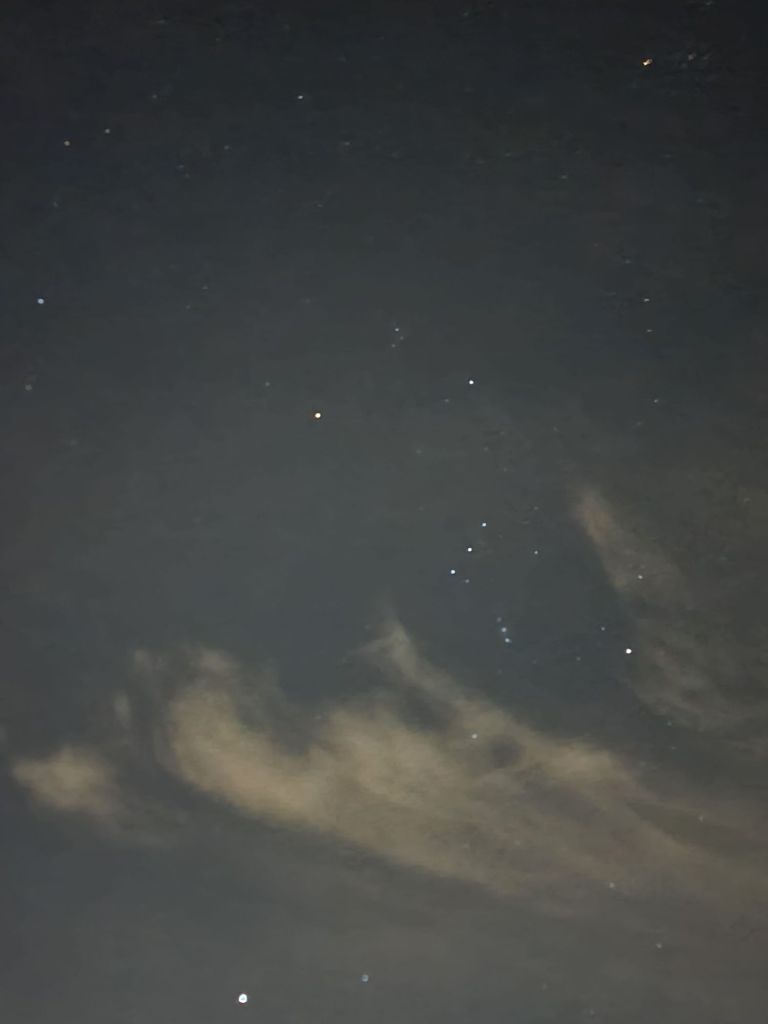
Ἀστέρας Ὠρίων

Supra noctem,
duc me ex cinere.

Ἀστέρας Ὠρίων
δέσμιος τῶν ζωνῶν,
πληγείς, ἀλλ’ ἀθάνατος.
Ὑπὲρ τῆς νυκτὸς,
ἄγει με ἐκ τῆς στάχτης.

Stella Orion
cingulis ligatus,
vulneratus, sed immortalis.
Supra noctem,
duc me ex cinere.

Star Orion
bound in belts,
struck down, yet undying.
Above the night,
lead me out from the ashes.