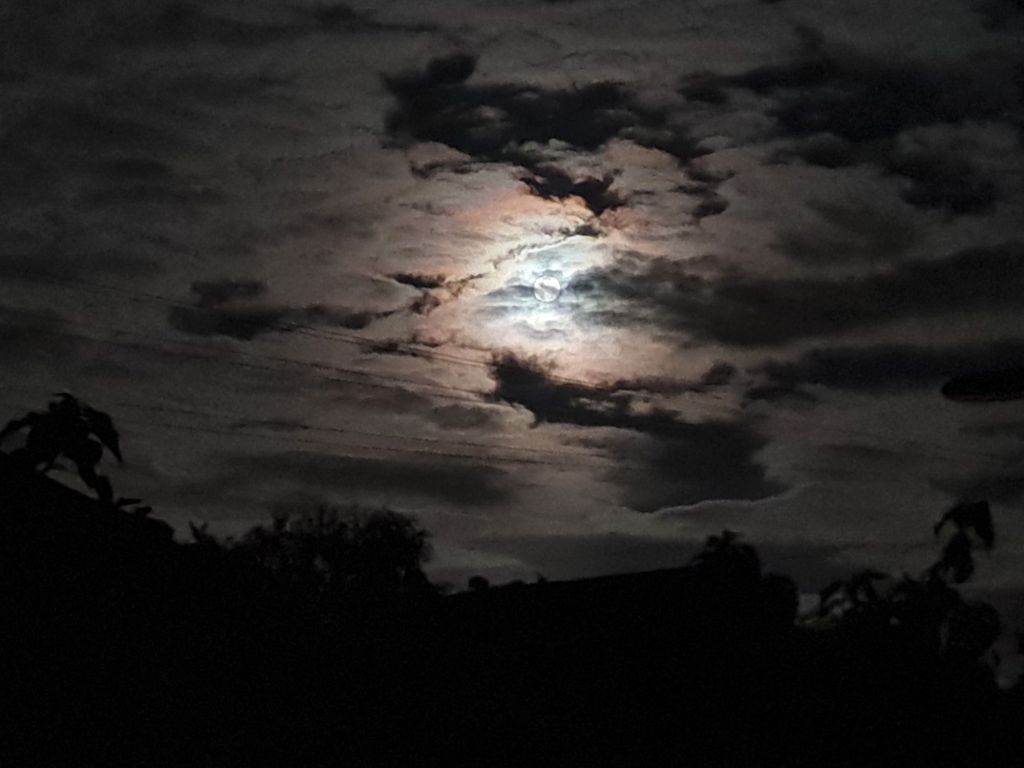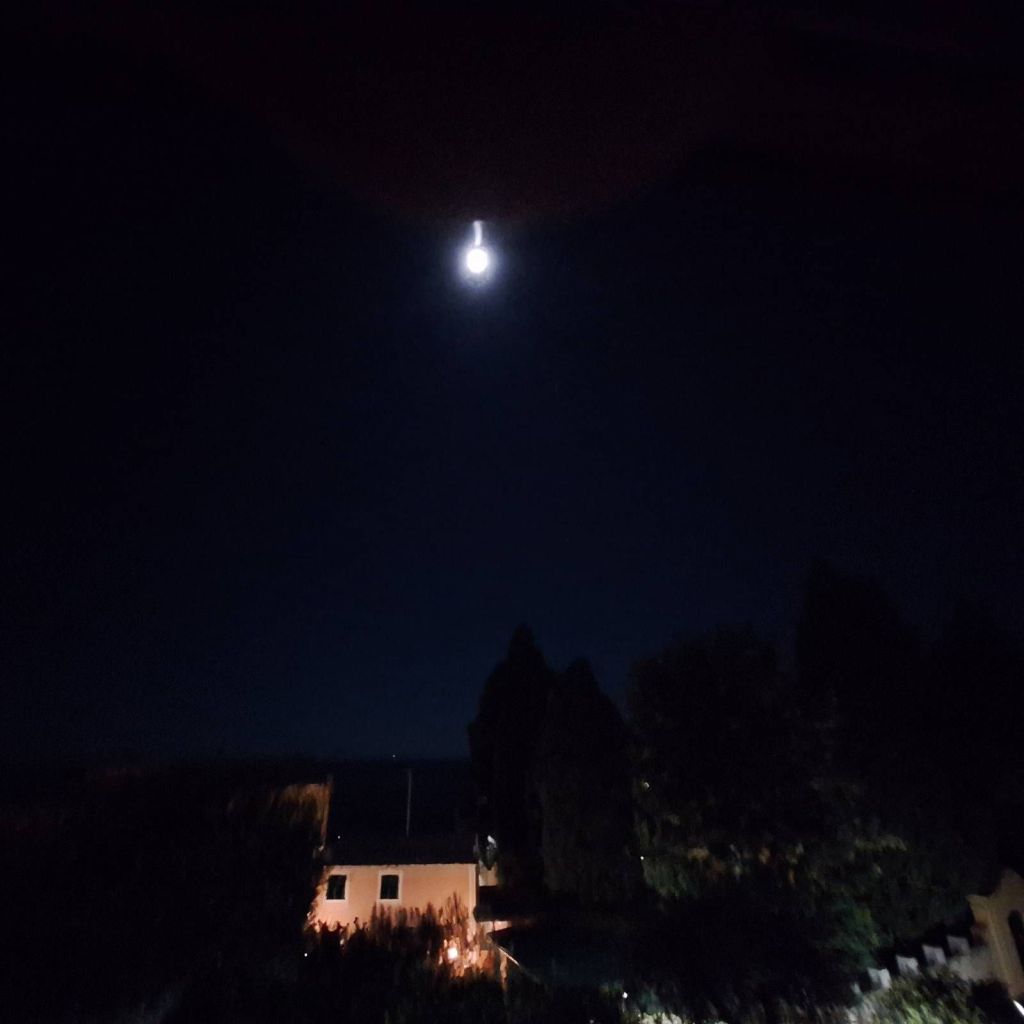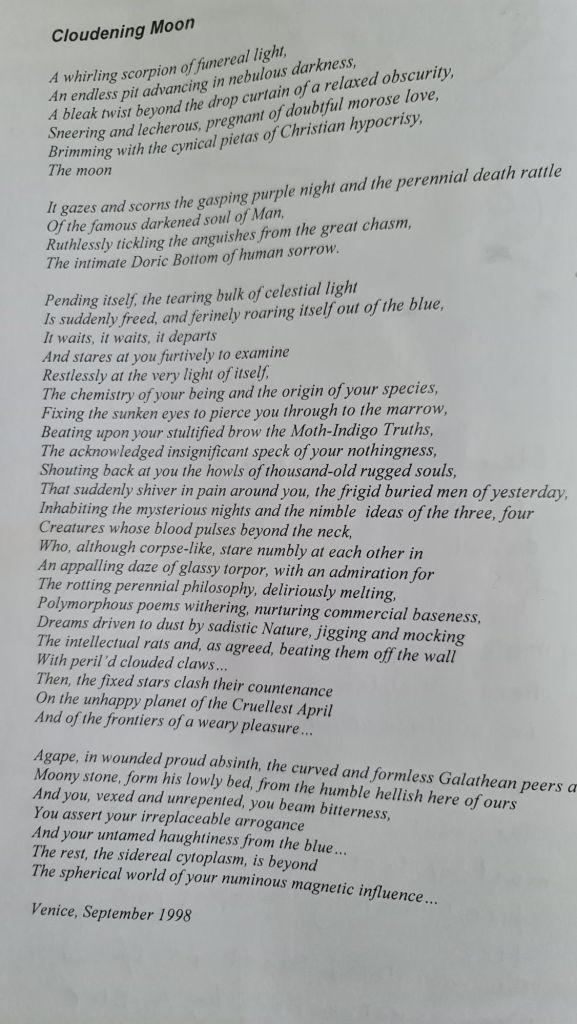
Larth clan śuthina, thesan θu mi avil. Tin θanur, Mithra alpan. θuśθas amce, zilach mi avil, fler rasnal ameθ.
Larth lies in the earth, the dawn took my years. Tin watches, Mithras receives. From silence he speaks, I served my years, blood of the Etruscans endures.
In Book IV, Asynonymous guides the reader into a night of murmuring pine and low electrical hum—a threshold where history, fever, and remembrance fuse. The work unfolds as a polyphonic ritual, an epic that remembers empire and illness alike as states of the body, speaking in the tongues of the living and the dead.
Across Asynonymous’s recent creations, three rivers converge. The first is the meditation on Roman impermanence: from Hadrian’s tempered authority to Marcus Aurelius’s weary piety, from the defiant DE GERM trophy to Gordian’s fragile SECVRITAS PVBLICA. The second river is the voice of Georg Christiansen, writing from Aarhus in 1943—a man who, like the emperors, faced dissolution but answered with quiet lucidity. The third is a widening current of ritual language, where Latin, Japanese, Greek, and reconstructed Etruscan meet not to fuse but to resonate. Book IV is where these waters braid.
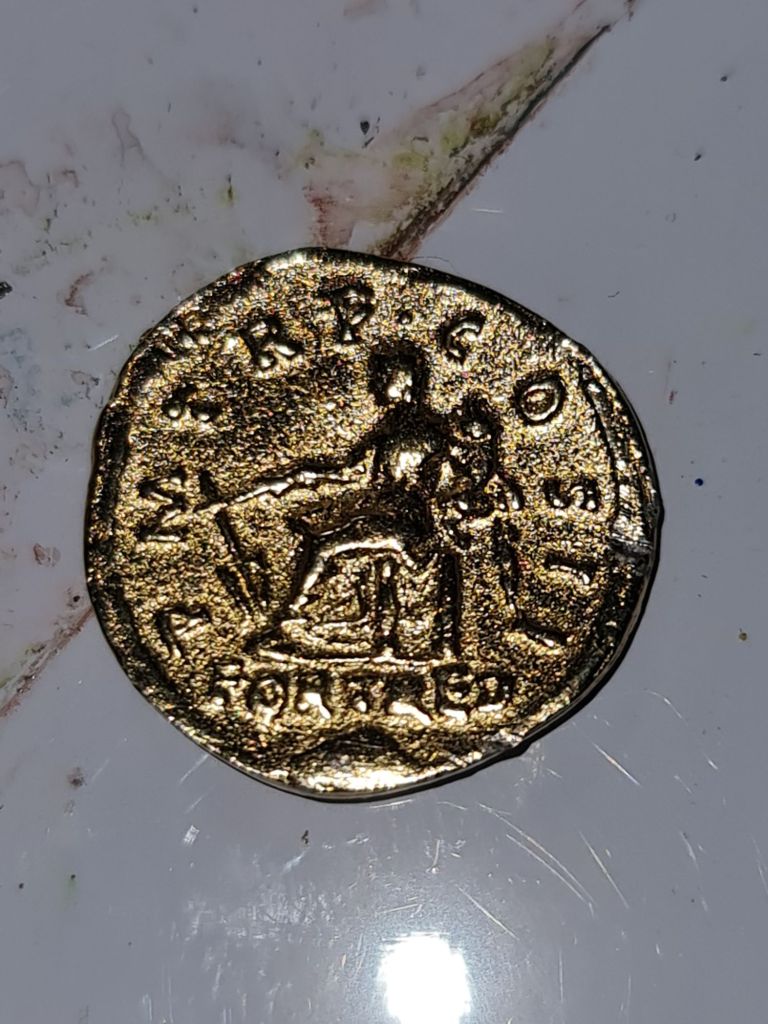
Each Roman coin becomes a temporal seed. The aureus of Marcus Aurelius bears FORT RED—Fortuna Redux, fortune returned. In Asynonymous’s verse, that omen transforms: mens sola redit—the mind alone returns. History is read not as conquest but as the anatomy of return, the act of bringing oneself home from ruin. The poem’s architecture—liturgical chant, stage direction, mythic echo—rebuilds that home in sound.
The cast of voices—the Match Girl, the Soviet babushka, Cthulhu, Jung, Momo, the Happy Prince—inhabit a global liturgy of empathy. Their refrain, “No demons, only hands,” stands as the central ethics of the work. It is both exorcism and recognition. Evil here is not metaphysical; it is enacted. Salvation, likewise, is made by hands—hands that strike matches, hands that heal, hands that remember.
The multilingual prayers deepen this ethic. The Latin plea “Magister Terrarum Magnus, vulnera nostra amplectere” meets the Shintō invocation of Ōkuninushi and the Etruscan murmur “śanś tenθur śec.” Together they form a ritual chorus that seeks not transcendence but integration—a healing in silence. Asynonymous frames language itself as DNA, with the four letters—A, T, C, G—becoming vows of creation, divinity, and embrace. The genome becomes liturgy; the poem becomes the body remembering itself.
Geographically, the work maps the same diagonal line traced in the author’s map—Ho Chi Minh City to Council Bluffs, Svobodnyy to Goiás. It is the line of cultural drift, the global meridian of modern solitude, and yet every location becomes a beacon, a moment of collective attention. The NeverEnder project positions these readings as living coordinates of resonance: the world listening in different languages to the same silence.
In its later sequences, Book IV enters the realm of mythic diagnosis. The Morgana cycle, the fractured prophecies of Merlin, the rising of the people—all transform trauma into civic dream. Morgana’s deceit is answered not by exorcism but by exhaustion; Merlin’s silence is not defeat but refusal to speak the language of domination. The silence that falls over the land—silentium plenum—is not emptiness but fullness: the moment where a new word germinates in the dark.
The recurring motifs—fever, rust, memory—act as Asynonymous’s triad of redemption. Fever bends time, rust remembers, memory does not heal but witnesses. From the burning of Mesiche to the quiet defiance at Circesium, from Georg’s last letter to the Etruscan prayer for the underworld, Book IV composes a single gesture of attention: to stay, to see, to sing.
At its close, the myth of Mithras breaks through illusion: lux per simulationem ardet—the light burns through illusion. The empire trembles, but the path continues. The poem ends not with triumph but with community: voices, hands, silence.
If earlier volumes descended into the labyrinth, Book IV marks the turn within it—the moment of recognition that return is not escape but continuation. The empire, the body, and the memory all fracture, yet from that fracture a liturgical ethic emerges:
Esse quam videri. To be, not to seem.
What remains is not doctrine, nor even hope, but practice. Hands. Not demons. Hands that write, light, heal, and carry the ember forward. Hands that keep company in the dark.
Ein LabyrinthSe avrai imparato a cadere, non cadrai.
Der Spiegel im Spiegel (The Mirror in the Mirror)
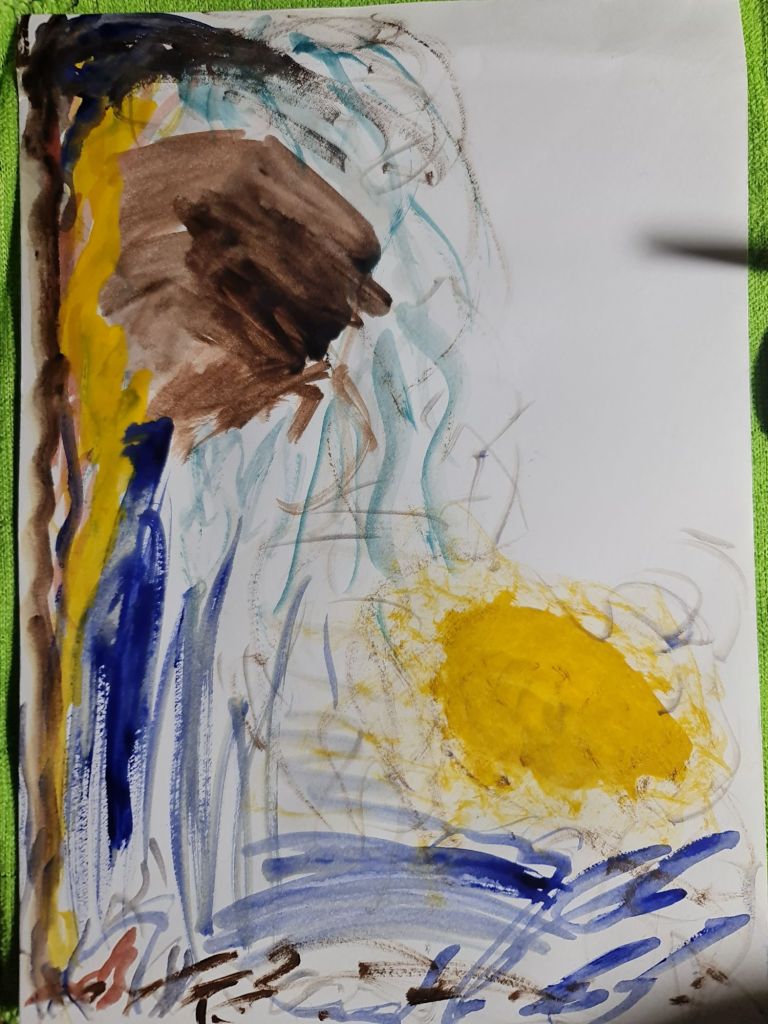
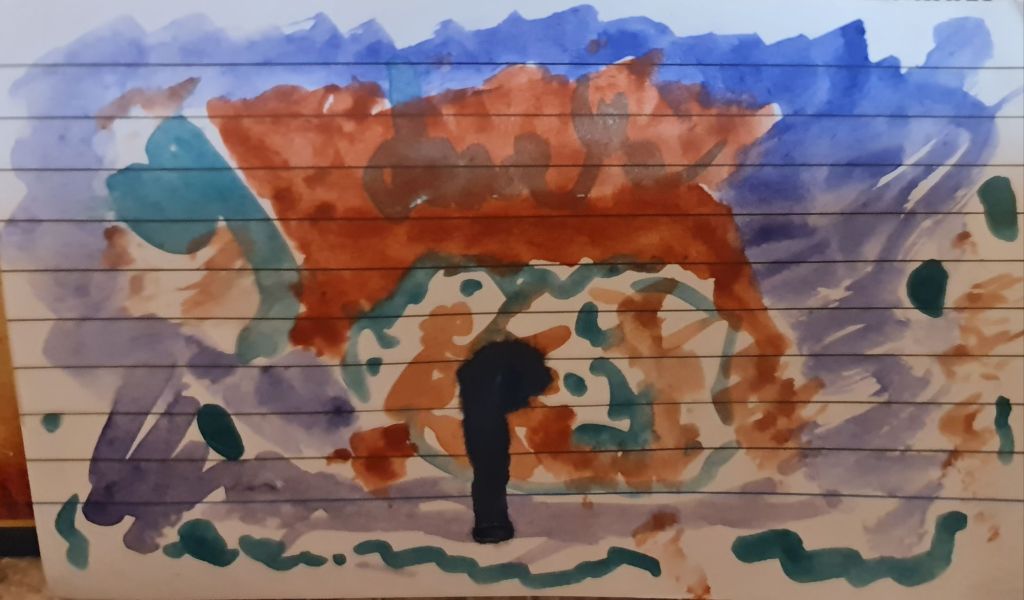
Watercolour and mixed media on paper, 2025
A work of elemental tension and renewal, Der Spiegel im Spiegel unfolds as a psychic landscape between descent and illumination. Broad, gestural fields of brown, blue, and yellow trace a vertical journey through shadow, motion, and light — the passage from matter to reflection to spirit. The brown mass anchors gravity and memory; the blue currents dissolve boundaries; the yellow core burns like an inner sun, radiant yet wounded.
Here, the act of painting becomes a rite of equilibrium — the artist learning to fall without collapse, to find clarity within motion. The mirror reflects the mirror: awareness turning upon itself, infinite and tender. “Se avrai imparato a cadere, non cadrai.” — If you have learned to fall, you will not fall.
Non son ancor disposto a dipartire, né so qual opra l’Amor del Fato move là sovra.
Ordino l’ombre che lasciasti, prendo le lingue qual spade e cetre, odo il suon di quelle che sanguinan, e di quelle che cantano.
Non mi fido della lingua tinta di sangue; ma credo in colui che l’osa lavare.
Ché ’l fato non è catena al collo, ma fucina che l’attende le mani.
Perché sì molte lingue? Perché non ’l silenzio o una sola canzone?
Ché ’l silenzio ancor ha le sue parole, e la canzon rossa e bianca può esser cantata da chi rimembra che amar lo fato non è ubbidire, ma arditamente far novo il dono ricevuto.
22 år – studerende i økonomi ved Universitetet i Århus (Jylland) – født i Vejle den 14. september 1921 – medlem af Danmarks Kommunistiske Parti. I 1941 begyndte han sin antifascistiske virksomhed ved at samarbejde med illegale aviser – blev derefter kurer og til sidst leder af en gruppe sabotører, især beskæftiget med jernbanesabotage. Anholdt den 16. september 1943 i Århus efter en angivelse – overført til fængslerne i Århus – tortureret. Stillet for den tyske militærdomstol i Århus den 24. november 1943. Henrettet den 2. december 1943 i Skæring Hede sammen med fire andre patrioter.
29. november 1943
Kære mor,
Jeg har endnu ikke hørt noget om min ansøgning om benådning, og for at være ærlig er jeg derfor lidt urolig i sindet. Du ved, at jeg er en filosof, om end en lille en, en filosof, der tager livets forskellige udtryk uden megen ophidselse, ja med en vis skepsis. Under alle omstændigheder er du årsagen til min nuværende nedtrykthed, for trods dine smukke og ædle forsikringer kan jeg ikke frigøre mig fra følelsen af at have svigtet dig og ikke levet op til dine drømme. Når jeg tænker på alt, hvad du har været for mig — din tålmodighed, dine ofre og den kærlighed, du altid har haft til dine børn — føler jeg mig svag, og tårerne kommer i mine øjne, følelser jeg normalt forsøger at undgå.
Jeg tror ikke, at den bedste medicin mod en situation som min nuværende er at gennemgå de glæder og den lykke, jeg har haft i dette liv. Men på den anden side er dette et glimrende “es i ærmet”, når de kolde skygger af tvivl angriber dig og spørger: “Hvad har jeg egentlig fået ud af alt dette?” Nogle siger, at dødsårene er halvfjerds, men man må ikke glemme, at barndommen og ungdommen i vores minder repræsenterer det sande liv. For i de år længes man efter hele verden. Jeg tror, at før man fylder tyve, er det for de fleste mennesker allerede fastlagt, hvem der vil være svag, og hvem der vil være stærk nok til at møde livets storme. Derfor får vi allerede i den alder muligheden for at forstå menneskets liv og dets sande formål.
2. december
Kære mor,
I nat må jeg pludselig stå op midt om natten. Jeg frygter, at dette er enden. Men min forsvarer havde sagt, at jeg kunne stole på benådningsansøgningen. Farvel mor, tak for din godhed. Farvel Grethe og lille Jens, som jeg ikke fik at se. Pas godt på jer.
Georg
22 years old – student of economics at the University of Århus (Jutland) – born in Vejle on September 14, 1921 – member of the Danish Communist Party. In 1941, he began his anti-fascist activity by collaborating with underground newspapers – later became a courier and eventually the leader of a group of saboteurs, particularly involved in railway sabotage. Arrested on September 16, 1943, in Århus following denunciation – transferred to the prisons of Århus – tortured. Tried on November 24, 1943, by the German military tribunal in Århus. Executed on December 2, 1943, at Skæring Hede, together with four other patriots.
November 29, 1943
Dear Mom,
I have not yet heard anything about my petition for pardon, and frankly, I am therefore in a somewhat restless state of mind. You know that I am a philosopher, though a small one, a philosopher who takes life’s various manifestations without much excitement, indeed with a certain skepticism. In any case, you are the cause of my current sadness, for despite your beautiful and noble reassurances, I cannot free myself from the feeling that I have failed you and not lived up to your dreams. When I think of all you have been for me — your patience, your sacrifices, and the love you have always shown your children — I feel weak, and tears come to my eyes, feelings I usually try to avoid.
I do not think that the best remedy for a situation like mine is to review the joys and happiness I have experienced in this life. But on the other hand, this is an excellent “ace up one’s sleeve” when the cold shadows of doubt attack you and ask: “In the end, what have I gained from all this?” Some say that the years of death are seventy, but one must not forget that, in our memories, childhood and youth represent true life. For during those years one aspires to the whole world. I believe that before the age of twenty, it is already determined for most human beings who will be weak and who will be strong enough to face the storms of life. Therefore, already at that age, we are given the chance to understand human life and its true purpose.
December 2
Dear Mom,
Tonight I must suddenly get up in the middle of the night. I fear this is the end. Yet my defender had told me that I could rely on the request for pardon. Goodbye, Mom, thank you for your kindness. Goodbye Grethe and little Jens, whom I did not see. Be well.
I. Luna claret in rupe fracta, et stilla noctis fit oratio. In silentio, cor vigilat super umbras, et verba antiqua redeunt sicut fontes.
II. Supra mare dormientis venti, vocat me filia cinnamomi: “Padri, l’aria si fa chiara, lu suli dormi intra li viddi.”_
O filha de llum pura, ta paraula es una rosada su l’alba._
III. Vidi me ipsum sub aqua quieta, non amplius captivum sed speculum. Tempus inversum fit carmen, et carmen fit spiritus.
IV. Sutta li petri antichi parra lu ventu, porta ricordu di li morti chi benediru la terra._ E iu, comu figghiu di suli e sali, ricogghiu lu soffiu comu orazioni._
V. Lux non invenit gloriam, sed misericordiam. Fulgor novus non ferit, sed cura. E omnia vulnera fient vocabulum novum, nomina pacis et ricordu.
VI. Ai cantar dels ausèls sus la nèu que funde, merlins antics revèlon la paraula que era dormida: “Caminarem ensemble jos la luna clara, fins que la sombra s’espelisse en llum.”_
VII. E tunc Merlinus surrisit inter silvas, et Mithras dedit ei signum de reversa mare. Non est magia, sed veritas reversa, qua tenebrae amaverunt lucem.
Exsurge, anima vetusta, non in culpa, sed in veritate
Judicium – Vocatio Mortuorum
Audite, o vos mortui, vocem quae non est vox, quae non per aëra sed per memoriam sonat. Angelus descendit, non ad damnandum sed ad excitandum, sicut sal vulnera urit, sed sanat.
Dicit enim: “Exsurge, anima vetusta, non in culpa, sed in veritate.” Ossa silentii moventur; sanguis memoriae iterum fluit.
Serpentes oblivionis solvuntur; oculus se ipsum videt in speculo iudicii, non ad damnationem, sed ad nomen veritatis.
‘Ntra lu ventu càuru di menzujornu, un àngilu scinnìa, nun pi puniri, ma pi risvigghiari — comu lu sali quannu bruscia, e sana la ferita chi chianci.
E dissi: “Surgi, arma antica, nun pi’ culpa ma pi’ verità.” Li ossa du silenziu si scatinanu, lu cori si scorda e si ricorda.
Lu serpi di la memoria si svolginu, l’occhiu si vidi — nudu, senza paura — e la morti s’abbrazza cu’ la luci.
Ouï! la votz sens votz, que parla del fons del sang. L’angel non jutja, mas leva, coma la flama dins lo sel.
Terra dormida, leva-to, qu’els ossos cantan jos la luna, e la vertat naisse del silenci.
II. Daemonium – La Catena e la Scelta
(Anno Domini MMXXV – Ritus Maris Mediterranei)
In umbra lucis, daemon loquitur non per falsum, sed per speculum fractum mentis humanæ. Dicit: “Ecce libertas tua, in vinculis splendet; quia homo amat catena quæ lucet.”
Sed vocem alteram audivi, suavem et distantem ut mare post procellam: “Non omnia ligamina sunt maledicta, non omne dolor est servitus.”
Tunc Merlinus in media tenebris stetit, et videbat serpentem circuire solem, et serpens ipse erat materia sua ipsius.
Sutta lu chianu di lu tempu tintu, lu diavulu parlava, senza vuci, comu specchiu ruttu ca ti fa vediri troppu.
“Guarda,” dissi, “comu brilla la catena tua; è oru, è fuocu, è ‘mperu di te stissu.” E nni fici ‘nnamurari du nustu pesu.
Ma una vuci d’acqua rispunnìu: “Nun è tuttu mali chiddu chi tigna, picchì li cateni pò essiri ancora amuri si li rompi pi nasciri n’atra vota.”
E Mirdinu stau a menzu li sciarri di lu suli, vidennu lu serpenti fari un circulu, e dinsiru li so occhi ci ricunniscìu la matri.
Lo diable parla en rason d’aur, mas la rason es una cadença. Si rompes la chaena, sang naisserà; mas de sang, flor creis.
O filh de la lutz e de l’ombra, tria pas entre libertat e amor, car son un sol foc.
II. Daemonium – La Catena e la Scelta
(Anno Domini MMXXV – Ritus Maris Mediterranei)
In umbra lucis, daemon loquitur non per falsum, sed per speculum fractum mentis humanæ. Dicit: “Ecce libertas tua, in vinculis splendet; quia homo amat catena quæ lucet.”
Sed vocem alteram audivi, suavem et distantem ut mare post procellam: “Non omnia ligamina sunt maledicta, non omne dolor est servitus.”
Tunc Merlinus in media tenebris stetit, et videbat serpentem circuire solem, et serpens ipse erat materia sua ipsius.
Sutta lu chianu di lu tempu tintu, lu diavulu parlava, senza vuci, comu specchiu ruttu ca ti fa vediri troppu.
“Guarda,” dissi, “comu brilla la catena tua; è oru, è fuocu, è ‘mperu di te stissu.” E nni fici ‘nnamurari du nustu pesu.
Ma una vuci d’acqua rispunnìu: “Nun è tuttu mali chiddu chi tigna, picchì li cateni pò essiri ancora amuri si li rompi pi nasciri n’atra vota.”
E Mirdinu stau a menzu li sciarri di lu suli, vidennu lu serpenti fari un circulu, e dinsiru li so occhi ci ricunniscìu la matri.
Lo diable parla en rason d’aur, mas la rason es una cadença. Si rompes la chaena, sang naisserà; mas de sang, flor creis.
O filh de la lutz e de l’ombra, tria pas entre libertat e amor, car son un sol foc.
IV. Aurora Restituta
(Anno Domini MMXXV – Ritus Mediterraneus Quartus)
Aurora non venit ex oriente, sed ex oculis purgatis. Post noctem non surgit solus dies, sed pax, quae transit per ossa.
Resurrexit non lux, sed homo lucidans, in quo Deus meminit sui.
Et vox de profundo sibilavit: “Fiat dies intra te, sicut in principio.”
Nun chianci cchiù lu celu — ci sunnu luci novi intra li viddi. Lu mari s’alliscia, e lu suli veni di la manu d’un picciriddu.
“Non turnu,” dici, “ma mi ricordu.” E ogni cosa — l’acqua, la petra, la vuci — riempi di stissi raggi.
La nuèch s’escantís dins lo còr, lo jorn nais de carn e memòria. Aurora non ven del levant, mai del sang pacificat.
E la votz ditz: “Respira, e la lutz serà.”
Commentarium Ritus IV – The Return of Light
The Restored Dawn is not a reversal of darkness, but its consummation — the moment when shadow gives birth to radiance.
In the Latin, dawn is no longer astronomical but spiritual: “non lux, sed homo lucidans” — not light, but the human being made luminous. In the Sicilian, the sun is reborn through the touch of the child — innocence shaping reality, not conquering it. In the Occitan, the rite resolves: dawn issues not from the East but from pacified blood, meaning the reconciliation of past harm.
The dawn is not the beginning of a new day — it is the first time the old day forgives itself. Light, therefore, becomes mercy made visible.
From the crystal cave he misspoke, inverted in time, his silver hair a net of spider light. Mithras had risen, and Merlin hung between breaths — one eye fixed upon shadow, the other upon the hand of a child scribbling suns upon the void.
On the horizon lay the book: Della Schiavitù Moderna, its cover pale as bone, its date an omen — Milano, 1884. There, in a thin script of righteous grief, a man had written of chains made holy, of souls bound by mercy’s own design.
Merlin turned the corner. The ink flamed. Words became iron. Iron became mirrors. Mirrors became the faces of the living — and he hailed her, the young silver dragon, drawing circles of rebellion in yellow, blue, and red.
Each mark defied empire. Each line whispered: I am not yours. Where reason would have written laws, she made light instead — a grammar of breath and movement, a syntax of sky.
And in the hush between penstrokes, a song rose from the dust:
> Constant craving, you have been to the darkest phase, maybe we have met before.
The philosopher’s eyes opened. He remembered. Chains of thought. Crowns of virtue. The sweetness of control. He had written it all, once — in another life, when he believed anger was salvation.
Now, the child’s hand slapped him, and in that slap, he was touched.
The Hanged Man lay still and the tides reversed. Ink ran backward into silence. Freedom, at last, was shot in colour.