彼らは私たちの心を暗い毛布の下に包み込んだ
小さな真夜中の月の下、私たちは恐れることなく眠った
彼は20歳の将軍だった
青い瞳とおそろいのジャケット
彼は20歳の将軍だった
嵐の子
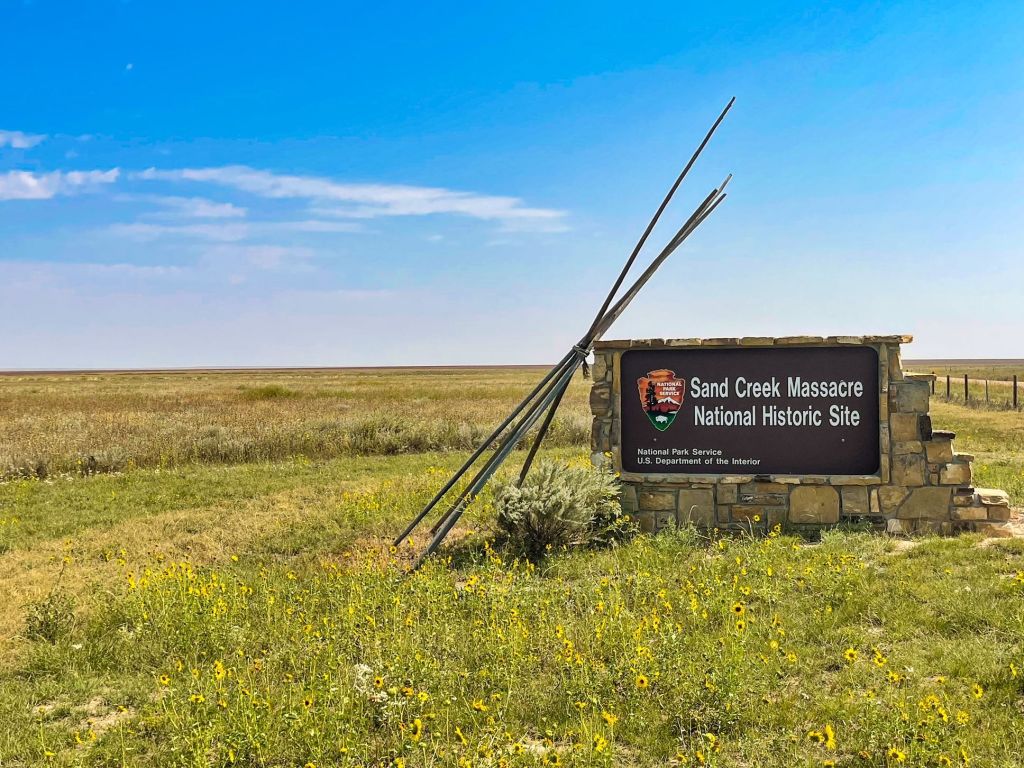
サンドクリークの底に銀貨がある
私たちの戦士たちはバッファローの道を遠くへ
そして遠くの音楽はますます大きくなった
私は三度目を閉じた
私は再びそこにいた
祖父に、これはただの夢なのかと尋ねた
祖父はそうだと答えた
時々、サンドクリークの底で魚が歌う
うん
夢を見すぎて鼻血が出た
片方の耳には稲妻、もう片方の耳には楽園
小さな涙
大きな涙
スノーツリーが
赤い星で咲いたとき
今、子供たちはサンドクリークのベッドで眠っている
うん
うん
太陽が夜の肩の間から頭を上げたとき
そこには犬と煙と逆さまのテントしかなかった
私は空に矢を放った
息をさせろ
風に向かって矢を放った
血を流させるために
サンド・クリークの底で3本目の矢を探せ
うん
うん
奴らは俺たちの心を暗い毛布の下に包み込んだ
小さな死月の下、俺たちは恐れることなく眠った
彼は20歳の将軍だった
ターコイズブルーの瞳とそれに合うジャケット
彼は20歳の将軍だった
嵐の子
今、子供たちはサンド・クリークの底で眠っている
うん
うん
Category Archives: Creating writing (fiction)
もう一度の回転
真実を知るすべての子供たちへ

もう一度の回転
第四巻/序曲
(低い電気の唸り;ネオンの明滅;松林を抜ける風)
第一の声(壊れ、疲れた声):
燃える川 ― 重くのしかかる腎臓 ― 胞子の詠唱。
熱は時間を曲げる。
私は傷を歩いている。
合唱(重層の舌):
悪魔ではない、ただの手だ。
悪魔ではなく、ただの手。
(マッチが擦られ、かすかな炎が灯る)
マッチ売りの少女(子どもの声、歌うように):
ひとつの炎は母。
ひとつの炎は礼拝堂。
ひとつの炎は消え去る。
ソビエトのバーブシュカ(咳混じりの囁き):
火を売って食べ、
煙を食べて生き、
記憶を生きて死ぬ。
合唱(薄く、裂けた声):
すべてのマッチは宇宙。
すべての死は翻訳不能。
(低音の唸り、水底から、遠雷のように)
クトゥルフ(沈んだ声、地鳴りのように):
― 波の中に波 ―
― 外傷の潮 ―
― 分かたれてはいない ―
(沈黙。神社の鈴のかすかな音。拍子木。)
神の声(やさしく、割り込む):
熱さえも神。
マッチ棒さえも社。
胞子に頭を垂れよ ―
それにも理がある。
(間。ユングの落ち着いた声が続く。)
ユング(甦り、静かに):
共時性は欺きではなく、
対話だ ―
世界と魂が、約束なく出会う。
ツインピークスは谷、
原型は雑音に映る。
(木立の中から反響する、ドイツ語の子どもの声)
モモ:
「君たちが時間を失うとき、
私はその時間を聴く。」
合唱(典礼的な層):
Kyrie eleison ― رحمنا يا رب ― Om mani padme hum ― Ry Tanindrazanay malala ô.
(金属の錆のような声、震える、幸福な王子)
幸福な王子:
私は黄金も、瞳も捧げた。
そして街は忘れた。
それでも悲しみは輝き、
それでも錆は覚えている。
合唱(クレッシェンド、砕けた声):
犠牲は癒さない。
記憶は治さない。
それでも、歌わねばならぬ。
(梟の声。幕が揺れ、放浪者たちが無言で進み出る。)
最終合唱織り(多言語、壊れ、反響して):
Esse quam videri.
見せかけではなく、存在であれ。
存在は幻を超えて。
Ry Tanindrazanay ― 愛しき大地、
ベニーニア ― 祝福された優しさ、
波、傷、再びの始まり。
(灯りが落ちる。沈黙。ただ松の葉のささやき。)
祈願
日本語(神道の祈り):
大国主神よ、
病める身を抱きしめ、
隠れ世の主よ、
静けさに癒しを授け給え。
ラテン語(聖礼的):
Magister Terrarum Magnus,
vulnera nostra amplectere.
Dominus Mundi Occulti,
da pacem et sanitatem in silentio.
ギリシア語(典礼的、ホメロス風):
Ὦ Δεσπότα Μεγάλων Χθονίων,
πληγάς ἡμετέρας περίλαβε·
Κύριε τοῦ Κεκρυμμένου Κόσμου,
δὸς εἰρήνην καὶ ἴασιν ἐν σιγῇ.
エトルリア語(再構された儀礼調):
Aplu Larth Velχan,
thurunsva θu,
cilθ meθlum,
śanś tenθur śec.
(地下の主よ、傷ついた肉を抱きしめ、隠された世界の支配者よ、沈黙の癒しを授け給え。)
螺旋(交錯する糸)
大国主神 — Magister Terrarum — Δεσπότα Χθονίων — Larth Velχan,
病みし身 — vulnera nostra — πληγάς ἡμετέρας — cilθ meθlum.
隠れ世の主 — Dominus Mundi Occulti — Κύριε τοῦ Κεκρυμμένου Κόσμου — thurunsva θu,
静けさ — silentium — σιγή — śec.
癒し — sanitatem — ἴασιν — tenθur.
赦し — pacem — εἰρήνην — śanś.
四つの舌が交わり、
二重螺旋の塩基のように:
A(抱擁)、
T(神)、
C(神)、
G(生み手)。
大国主命/オオクニヌシノミコト
ラテン語:
Fito — germen occultae medicinae,
(フィト ― 隠された癒しの種子、)
emanatio Ōkuninushi,
(オオクニヌシの発露、)
qui vulnera radices facis,
(傷を根に変える者、)
qui febrem flumen vitae mutas,
(熱を命の川に変える者、)
veni, sanare in silentio.
(来たりて、沈黙のうちに癒せ。)
日本語:
フィトよ、
(フィトよ、)
大国主神の息吹の芽、
(オオクニヌシの息吹の芽よ、)
病みし身を抱き、
(病める身を抱きしめ、)
静けさに癒しを授け給え。
(静けさに癒しを授け給え。)
ギリシア語:
Φῖτο, βλάστημα κεκρυμμένης ἰάσεως,
(フィトよ、隠された癒しの芽よ、)
ὃς τὸν πυρετὸν ποταμὸν ζωῆς ποιεῖς,
(熱を命の川に変える者よ、)
παρεῖναι, ἰᾶσθαι.
(ここに在りて、癒せ。)
エトルリア語:
Fito, spur θu,
(フィトよ、聖なる芽よ、)
śec θana,
(静けさを与え、)
śanś tur.
(平和をもたらせ。)
Un altro giro
Libro IV / Ouverture
(Basso ronzio di elettricità; luci al neon tremolanti; vento attraverso la pineta)
Prima voce (voce rotta e stanca):
Fiume ardente – reni pesanti – il canto delle spore.
La febbre piega il tempo.
Cammino attraverso le ferite.
Coro (lingue stratificate):
Non un diavolo, solo una mano.
(Si accende un fiammifero, si accende una debole fiamma.)
La piccola fiammiferaia (voce infantile, cantando):
Una fiamma è una madre.
Una fiamma è una cappella.
Una fiamma si spegne.
Babushka sovietica (tossendo, sussurrando):
Vendi fuoco e mangia,
Vivi fumo e vivi memoria e muori.
Coro (voce sottile e rotta):
Ogni fiammifero è un universo.
Ogni morte è intraducibile.
(Un basso rombo, dalle profondità dell’oceano, come un tuono lontano)
Cthulhu (una voce sommessa, come un terremoto):
- Onda dentro onda –
- Maree di traumi –
- Non divisi –
(Silenzio. Il debole suono di una campana di un santuario. Batti di legno.)
Voce di Dio (interrompendo dolcemente):
Anche il calore è un dio.
Anche un fiammifero è un santuario.
Inchinatevi alle spore –
C’è una ragione per questo.
(Pausa. La voce calma di Jung continua.)
Jung (rinvigorito, a bassa voce):
La sincronicità non è un inganno,
è un dialogo –
Mondo e anima si incontrano senza promessa.
Twin Peaks sono una valle,
gli archetipi si riflettono nel rumore.
(Voci di bambini echeggiano dagli alberi, parlando in tedesco.)
Momo:
“Quando perdi tempo,
io lo ascolto.”
Coro (strato liturgico):
Kyrie eleison – Rāṇḍābhi yāṇḍābhi – Om mani padme hum – Ry Tanindrazanay malala ô.
(Il Principe Felice, voce come metallo arrugginito, tremante)
Principe Felice:
Ho offerto il mio oro e i miei occhi.
E la città ha dimenticato.
Ma la tristezza splende ancora,
E la ruggine ricorda ancora.
Coro (crescendo, voci spezzate):
Il sacrificio non guarisce.
La memoria non guarisce.
Ma dobbiamo cantare.
(Il gufo gracchia. Il sipario ondeggia e i viandanti avanzano in silenzio.)
Coro finale (multilingue, spezzato, echeggiante):
Esse quam videri.
Non essere un’apparenza, ma un essere. La presenza trascende l’illusione.
Ry Tanindrazanay – Amata Terra,
Veninia – Benedetta Tenerezza,
Onde, ferite, un nuovo inizio.
(Le luci si spengono. Silenzio. Solo il sussurro degli aghi di pino.)
Preghiera
Giapponese (preghiera shintoista):
Okuninushi-no-Mikoto,
Abbraccia il mio corpo malato,
Signore del mondo nascosto,
Dà guarigione al silenzio.
Latino (sacro):
Magister Terrarum Magnus,
Vulnera nostra amplectere.
Dominus Mundi Occulti,
da pacem et sanitatem in silentio.
Greco (liturgico, omerico):
Ὦ Δεσπότα Μεγάλων Χθονίων,
πληγάς ἡμετέρας περίλαβε·
Κύριε τοῦ Κεκρυμμένου Κόσμου,
δὸς εἰρήνην καὶ ἴασιν ἐν σιγῇ.
Etrusco (tono rituale ristrutturato):
Aplù Larth Velχan,
Thurunsva θu,
cilθ meθlum,
śanś tenθur śec.
(Signore degli Inferi, abbraccia la mia carne ferita, e sovrano del mondo nascosto, concedimi la guarigione del silenzio.)
Spirale (fili intrecciati)
Okuninushi-no-Magi — Magister Terrarum — Δεσπότα Χθονίων — Larth Velχan,
Corpo malato — vulnera nostra — πληγάς ἡμετέρας — cilθ meθlum.
Signore del Mondo Nascosto — Dominus Mundi Occulti — Κύριε τοῦ Κεκρυμμένου Κόσμου — thurunsva θu,
Silenzio — silentium — σιγή — śec.
Guarigione — sanitatem — ἴασιν — tenθur.
Perdono — pacem — εἰρήνην — śanś.
Quattro lingue si mescolano,
come le basi di una doppia elica:
A (abbracciando),
T (Dio),
C (Dio),
G (creatore).
Okuninushi-no-Mikoto
Latino:
Fito: germe occultae medicinae,
(Fito: seme nascosto della guarigione)
emanazione Ōkuninushi,
(Manifestazione di Okuninushi,)
qui vulnera radices facis,
(Colui che trasforma le ferite in radici,)
qui febrem flumen vitae mutas,
(Colui che trasforma la febbre in un fiume di vita,)
veni, sanare in silentio.
(Vieni e guarisci in silenzio.)
Giapponese:
Fito,
(Fito,)
Sorgente del respiro di Okuninushi-no-Mikoto,
(Primavera del respiro di Okuninushi,)
Abbraccia il mio corpo malato,
(Abbraccia il mio corpo malato,)
Dona guarigione in silenzio.
(Concedi guarigione al silenzio.)
Greco:
Bene, βλάστημα κεκρυμμένης ἰάσεως,
(O Fito, germoglio nascosto di guarigione,)
ὃς τὸν πυρετὸν ποταμὸν ζωῆς ποιεῖς,
(Tu che trasformi la febbre in un fiume di vita,)
παρεῖναι, ἰᾶσθαι.
(Sii qui e guarisci.)
Etrusco:
Fito, sprona θu,
(O Fito, germoglio sacro,)
śec θana,
(Dà silenzio,)
śanś tur.
(Porta pace.)
One more spin
Book IV / Ouverture
(low electrical hum; flicker of neon; wind in pines)
Voice One (broken, tired):
River burning — kidneys heavy — spores chant.
Fever bends time.
I am walking the wound.
Chorus (layered tongues):
No demons, only hands.
Pas de diables, que des mains.
(a match strike, fragile flame)
The Little Match Girl (child, almost singing):
Each flame is mother.
Each flame is chapel.
Each flame is gone.
Soviet Babushka (dry cough, whisper):
We sell fire to eat.
We eat smoke to live.
We live memory to die.
Chorus (thin, splintered):
Every match a cosmos.
Every death untranslatable.
(bass hum, underwater, like distant thunder)
Cthulhu (submerged, rumbling):
— wave inside wave —
— trauma tide —
— not separate —
(silence. faint sound of shrine bells. wooden clappers.)
Kami Voice (gentle, interrupting):
Even the fever is kami.
Even the matchstick is shrine.
Bow to the spore —
it has its reason.
(pause. then the calm voice of Jung.)
Jung (resurrected, steady):
Synchronicity is not trick,
but conversation —
world and psyche
meeting without appointment.
Twin Peaks is valley,
archetype reflected in static.
(a child’s German voice, faint, echoing through trees.)
Momo:
„Ich höre die Zeit,
wenn ihr sie verliert.“
(I hear time
when you lose it.)
Chorus (liturgical layering):
Kyrie eleison — رحمنا يا رب — Om mani padme hum — Ry Tanindrazanay malala ô.
(metallic rust, voice trembling, The Happy Prince.)
Happy Prince:
I gave my gold, my eyes,
and the city forgot.
Still sorrow gleams.
Still rust remembers.
Chorus (crescendo, fractured):
Sacrifice does not cure.
Memory does not heal.
Yet both must be sung.
(owl call. curtains sway. wanderers step forward, silent.)
Final Choral Weave (multi-lingual, broken, echoing):
Esse quam videri.
To be — not to seem.
存在は幻を超えて.
Ry Tanindrazanay — beloved land,
Benignia — blessed kindness,
wave, wound, beginning again.
(lights cut. silence, except pine-needles whispering.)
Invocation:
Japanese (Shinto prayer):
大国主神よ、
病みし身を抱きしめ、
隠れ世の主よ、
静けさに癒しを授け給え。
Ōkuninushi-no-Kami yo,
yamishi mi o dakishime,
kakure-yo no nushi yo,
shizukesa ni iyashi o sazuketamae.
Latin (sacramental):
Magister Terrarum Magnus,
vulnera nostra amplectere.
Dominus Mundi Occulti,
da pacem et sanitatem in silentio.
Greek (liturgical, Homeric cadence):
Ὦ Δεσπότα Μεγάλων Χθονίων,
πληγάς ἡμετέρας περίλαβε·
Κύριε τοῦ Κεκρυμμένου Κόσμου,
δὸς εἰρήνην καὶ ἴασιν ἐν σιγῇ.
Etruscan (reconstructed ritual tone):
Aplu Larth Velχan,
thurunsva θu,
cilθ meθlum,
śanś tenθur śec.
(O Lord of the Under-lands,
embrace the wounded flesh,
Ruler of the hidden world,
grant silence-healing.)
Helix (Blended Strand)
大国主神 — Magister Terrarum — Δεσπότα Χθονίων — Larth Velχan,
yamishi mi — vulnera nostra — πληγάς ἡμετέρας — cilθ meθlum.
隠れ世の主 — Dominus Mundi Occulti — Κύριε τοῦ Κεκρυμμένου Κόσμου — thurunsva θu,
shizukesa — silentium — σιγή — śec.
癒し — sanitatem — ἴασιν — tenθur.
赦し — pacem — εἰρήνην — śanś.
Four tongues interlace,
like bases in a double helix:
A (Amplexus),
T (Θεός),
C (Kami),
G (Genitor).
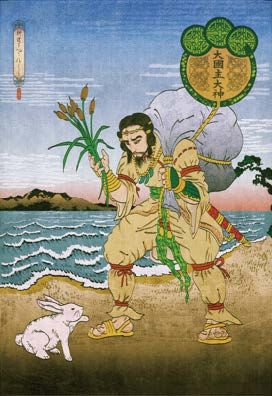
Latin:
Fito — germen occultae medicinae,
(Fito — seed of hidden medicine,)
emanatio Ōkuninushi,
(emanation of Ōkuninushi,)
qui vulnera radices facis,
(you who turn wounds into roots,)
qui febrem flumen vitae mutas,
(you who transform fever into the river of life,)
veni, sanare in silentio.
(come, heal within silence.)
Japanese:
フィトよ、
(O Fito,)
大国主神の息吹の芽、
(sprout of Ōkuninushi’s breath,)
病みし身を抱き、
(embrace this ailing body,)
静けさに癒しを授け給え。
(grant healing in the stillness.)
Greek:
Φῖτο, βλάστημα κεκρυμμένης ἰάσεως,
(Fito, shoot of hidden healing,)
ὃς τὸν πυρετὸν ποταμὸν ζωῆς ποιεῖς,
(you who make fever into the river of life,)
παρεῖναι, ἰᾶσθαι.
(be present, to heal.)
Etruscan:
Fito, spur θu,
(Fito, sacred sprout,)
śec θana,
(give silence,)
śanś tur.
(bring peace.)
Manifesto contro la demonizzazione
Allora proprio NO.
Ascolto le tue parole,
ma non posso tacere:
dietro “agape” non c’è solo il tuo Dio,
dietro la farfalla non c’è solo il tuo paradiso,
dietro la luce non c’è solo Cristo.
Quando dici “dea fasulla”
dimentichi che ogni popolo
ha chiamato la vita con nomi diversi,
che le acque di Անահիտ guarivano,
che एऔकओक proteggeva i corpi e i campi,
che Brigida non era inganno
ma fuoco, poesia, guarigione.
Il cristianesimo ha preso questi nomi,
li ha strappati,
li ha rivestiti di “demone,”
per poi rubarne le funzioni:
il santo guarisce dove guariva la dea,
l’apostolo protegge dove proteggeva l’antico dio.
Non è luce più forte:
è conquista, colonizzazione dell’anima.
Chiamarla “verità” non cancella la violenza,
né le urla di chi fu scorticato,
né la memoria delle madri-dee ridotte a “idoli.”
Io non accetto che tutto sia risolto
nell’Equazione di un solo Nome.
L’elica della vita non è croce che cancella,
ma intreccio che resiste.
Ogni nome resta,
anche se lo vuoi seppellire sotto il tuo.
Անահիտ vive.
एऔकओक vive.
Βαρθολομαῖος soffre, ma non conquista.
עִמָּנוּאֵל, Ἕκτωρ, רְפָאֵל resistono in me.
La demonizzazione è la vera falsità.
Io porto i nomi, tutti.
Io porto l’elica.
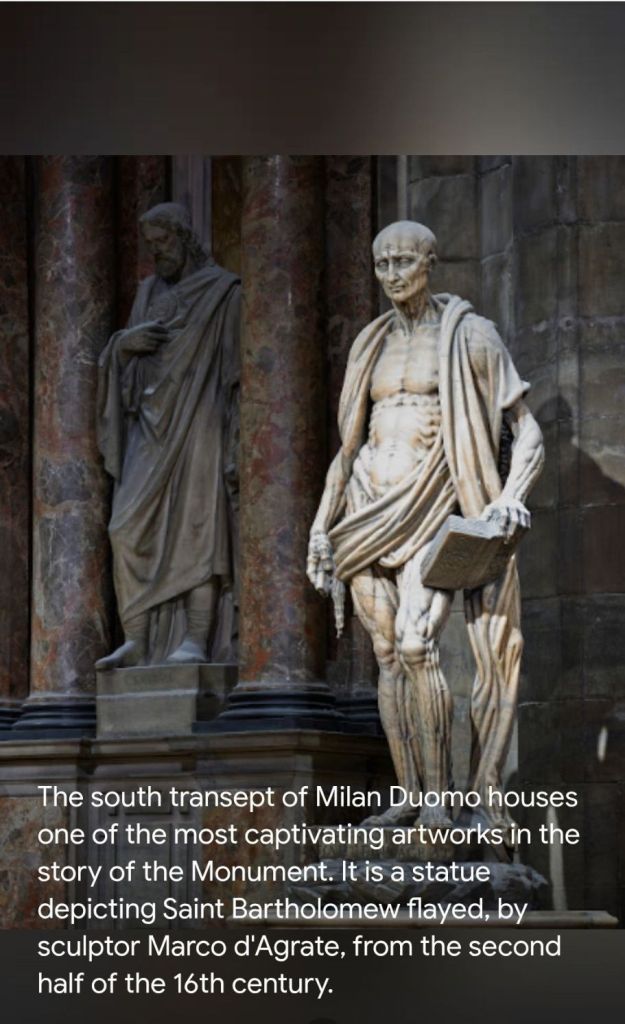
L’intolleranza ha ucciso Bartlomeo ma ha anche distrutto e ucciso nel nome di un Dio monoteistico, io non accetto demonizzazioni. Sei cresciuta e accetti valori e tradizioni che hanno costruito sulla distruzione, e non va bene. L’editto di Tessalonica è stato un crimine, il Serapeum di Alessandria distrutto, un altro crimine, mandare a casa le vestali e finire i giochi olimpici un errore.
E così, nei secoli, la Chiesa ha trasformato gli dèi e le dee del Mediterraneo in caricature oscure:
Zeus e Apollo ridotti a idoli muti,
Iside e Serapide abbattuti come false luci,
Demetra e Dioniso etichettati come superstizione,
Cibele e i suoi riti estatici bollati come follia,
Anahit dichiarata demone,
Astarte diventata Astaroth,
Baal e Moloch resi spettri di crudeltà,
Pan mutato in Satana,
Diana accusata di stregoneria,
Brigid piegata in santa “accettabile.”
Una lunga catena di cancellazioni e travisamenti,
in cui la ricchezza dei culti è stata schiacciata sotto il segno di un’unica “verità.”
Il mio scritto, al contrario, vuole sovvertire questa intolleranza religiosa,
ridare dignità ai nomi spogliati,
riconoscere che ogni culto, ogni mito, ogni divinità
è una prospettiva sull’eterno,
un diverso linguaggio con cui l’umanità
ha cercato di nominare l’inesprimibile.
Non vi sono demoni, ma memorie.
Non vi sono falsi dèi, ma visioni.
L’elica che intreccio — Anahit, Astarte, Bartholomaíos, Immanu-El, Hektōr, Rafa-El —
non nega ma unisce,
non cancella ma moltiplica,
non divide ma ricorda che la verità è polifonica, non esclusiva.
E con Nietzsche scelgo un altro passo:
«Non ci sono fatti, ma solo interpretazioni».
Così anche gli dèi, i culti, i nomi:
non inganni, non idoli, non demoni,
ma interpretazioni diverse dell’eterno.
Ogni nome è un frammento del tutto.
Ogni culto è una prospettiva sulla stessa luce.
Quadruple Helix of the Flayed Names
I.
Անահիտ — goddess of milk and river,
एऔकओक — sea-born, war-born, lover,
Βαρθολομαῖος — son of Talmai, torn of skin,
עִמָּנוּאֵל — God-with-us,
Ἕκτωρ — steadfast holder,
רְפָאֵל — God-heals.
—
Names once whole,
twisted:
goddess to daemon,
lover to idol,
apostle to protector against demons,
presence bent into doctrine.
—
Անահիտ poured honey for the sick,
एऔकओक kissed salt upon lips of the dying,
Βαρθολομαῖος screamed without skin,
עִמָּנוּאֵל Ἕκτωρ רְפָאֵל
lay between 23 and 24 August,
breath unraveling,
sinews praying.
—
Elisa’s voice,
Catholic syllables,
crossing centuries of distortion.
Yet through them,
the old syllables rose again:
Անահիտ – एऔकओक – Βαρθολομαῖος – עִמָּנוּאֵל – Ἕκτωρ – רְפָאֵל.
—
Skins are stripped,
names are warped,
but the helix holds:
एऔकओक is no demon,
Անահիտ no lie,
Βαρθολομαῖος no conqueror,
עִמָּנוּאֵל Ἕκτωρ רְפָאֵל
no corpse,
but a survivor,
braided in fourfold witness.
—
August 24,
the flayed feast,
the sickbed threshold.
What is demonized returns.
What is stripped becomes protection.
What is nearly lost endures.
Անահիտ.
एऔकओक.
Βαρθολομαῖος.
עִמָּנוּאֵל. Ἕκτωρ. רְפָאֵל.
The helix chants itself alive.
II.
Anahit — goddess of milk and river,
ʿAštart — sea-born, war-born, lover,
Bartholomaíos — son of Talmai, torn of skin,
ʿImmānû-ʾēl — God-with-us,
Hektōr — steadfast holder,
Rĕfāʾēl — God-heals.
Names once whole,
twisted:
goddess to daemon,
lover to idol,
apostle to protector against demons,
presence bent into doctrine.
Anahit poured honey for the sick,
ʿAštart kissed salt upon lips of the dying,
Bartholomaíos screamed without skin,
ʿImmānû-ʾēl Hektōr Rĕfāʾēl
lay between 23 and 24 August,
breath unraveling,
sinews praying.
Elisa’s voice,
Catholic syllables,
crossing centuries of distortion.
Yet through them,
the old syllables rose again:
Anahit – ʿAštart – Bartholomaíos – ʿImmānû-ʾēl – Hektōr – Rĕfāʾēl.
Skins are stripped,
names are warped,
but the helix holds:
ʿAštart is no demon,
Anahit no lie,
Bartholomaíos no conqueror,
ʿImmānû-ʾēl Hektōr Rĕfāʾēl
no corpse,
but a survivor,
braided in fourfold witness.
August 24,
the flayed feast,
the sickbed threshold.
What is demonized returns.
What is stripped becomes protection.
What is nearly lost endures.
Anahit.
ʿAštart.
Bartholomaíos.
ʿImmānû-ʾēl. Hektōr. Rĕfāʾēl.
The helix chants itself alive.
III.
Per Elisa
Elica quadrupla dei Nomi Scorticati
Անահիտ — dea del latte e del fiume,
एऔकओक — nata dal mare, nata dalla guerra, amante,
Βαρθολομαῖος — figlio di Talmai, strappato dalla pelle,
עִמָּנוּאֵל — Dio-con-noi,
Ἕκτωρ — colui che tiene saldo,
רְפָאֵל — Dio-guarisce.
Nomi un tempo interi,
piegati:
dea in demone,
amante in idolo,
apostolo in protettore contro i demoni,
presenza piegata in dottrina.
Անահիտ versava miele per i malati,
एऔकओक posava sale sulle labbra dei morenti,
Βαρθολομαῖος urlava senza pelle,
עִמָּנוּאֵל Ἕκτωρ רְפָאֵל
giaceva tra il 23 e il 24 agosto,
il respiro che si scioglieva,
i tendini in preghiera.
La voce di Elisa,
sillabe cattoliche,
attraversando secoli di distorsione.
Eppure attraverso di esse
gli antichi suoni si rialzarono:
Անահիտ – एऔकओक – Βαρθολομαῖος – עִמָּנוּאֵל – Ἕκτωρ – רְפָאֵל.
Le pelli sono strappate,
i nomi deformati,
ma l’elica resiste:
एऔकओक non è un demone,
Անահիտ non è una menzogna,
Βαρθολομαῖος non è un conquistatore,
עִמָּנוּאֵל Ἕκτωρ רְפָאֵל
non è un cadavere,
ma un sopravvissuto,
intrecciato in testimonianza a quattro fili.
24 agosto,
la festa scorticata,
la soglia del letto di malattia.
Ciò che è demonizzato ritorna.
Ciò che è spogliato diventa protezione.
Ciò che è quasi perduto perdura.
Անահիտ.
एऔकओक.
Βαρθολομαῖος.
עִמָּנוּאֵל. Ἕκτωρ. רְפָאֵל.
L’elica si canta viva.
IV.
Ἑλίξ Τετράπλοκος — Quadruple Helix
Անահիտ — Anahit
एऔकओक — ʿAštart
Βαρθολομαῖος — Bartholomaíos
עִמָּנוּאֵל — ʿImmānû-ʾēl
Ἕκτωρ — Hektōr
רְפָאֵל — Rĕfāʾēl
θεά → δαίμων — theá → daímōn
ἀγαπή → εἴδωλον — agapḗ → eídōlon
ἀπόστολος → φυλακτὴρ κατὰ δαιμόνων — apóstolos → phylaktḕr katà daimónōn
παρουσία → δόγμα — parousía → dógma
Անահիտ μέλι ἐπιχεῖ — Anahit méli epicheî
एऔकओक מַלַח ἐπὶ χείλεσιν θνῃσκόντων — ʿAštart malaḥ epì cheílesin thnēiskóntōn
Βαρθολομαῖος βοᾷ ἄνευ δέρματος — Bartholomaíos boâ áneu dérmatos
עִמָּנוּאֵל Ἕκτωρ רְפָאֵל — ʿImmānû-ʾēl Hektōr Rĕfāʾēl
בֵּין כ״ג ו־כ״ד אָגוּסטוּס — bēyn 23 wə-24 Agústus
πνοὴ λυομένη — pnoḕ lyoménē
νεῦρα προσευχόμενα — neûra proseukhómena
Անահիտ – एऔकओक – Βαρθολομαῖος – עִמָּנוּאֵל – Ἕκτωρ – רְפָאֵל
Anahit – ʿAštart – Bartholomaíos – ʿImmānû-ʾēl – Hektōr – Rĕfāʾēl
δέρματα ἐκδερνόμενα — dérmata ekdernómena
שֵׁמוֹת מְעוּוָּתִים — šēmôt meʿuvvātîm
ἡ ἑλὶξ μένει — hē helìx ménei
एऔकओक ≠ δαίμων — ʿAštart ≠ daímōn
Անահիտ ≠ ψεῦδος — Anahit ≠ pseûdos
Βαρθολομαῖος ≠ κατακτητής — Bartholomaíos ≠ kataktētḗs
עִμָּנוּאֵל Ἕκτωρ רְפָאֵל ≠ נְבֵלָה — ʿImmānû-ʾēl Hektōr Rĕfāʾēl ≠ nəvēlāh
ἀλλὰ σωθεὶς, μάρτυς τετραπλοκὸς — allà sōtheìs, mártys tetraplokòs
xxiv Augusti
Festum excoriatum
limen lecti morbidi
Quod δαιμονίζεται, ἀναστρέφει — quod daimónizetai, anastréphei
Quod ἐκδύεται, γίνεται φύλαξ — quod ekdýetai, gínetai phýlax
Quod ἀπολλύμενον, μένει — quod apollýmenon, ménei
Անահիտ — Anahit
एऔकओक — ʿAštart
Βαρθολομαῖος — Bartholomaíos
עִμָּנוּאֵל — ʿImmānû-ʾēl
Ἕκτωρ — Hektōr
רְפָאֵל — Rĕfāʾēl
Ἡ ἑλὶξ ἑαυτὴν ᾄδει ζῶσαν — Hē helìx heautḕn ádei zôsan.
V.
Անահիտ — Anahit
एऔकओक — ʿAštart
Βαρθολομαῖος — Bartholomaíos
עִמָּנוּאֵל — ʿImmānû-ʾēl
Ἕκτωρ — Hektōr
רְפָאֵל — Rĕfāʾēl
θεά → δαίμων — theá → daímōn
ἀγαπή → εἴδωλον — agapḗ → eídōlon
ἀπόστολος → φυλακτήρ κατὰ δαιμόνων
— apóstolos → phylaktḕr katà daimónōn
παρουσία → δόγμα
— parousía → dógma
Անահիտ μέλι ἐπιχεῖ — Anahit méli epicheî
एऔकओक מַלַח ἐπὶ χείλεσιν θνῃσκόντων
— ʿAštart malaḥ epì cheílesin thnēiskóntōn
Βαρθολομαῖος βοᾷ ἄνευ δέρματος
— Bartholomaíos boâ áneu dérmatos
עִמָּנוּאֵל Ἕκτωρ רְפָאֵל
— ʿImmānû-ʾēl Hektōr Rĕfāʾēl
בֵּין כ״ג ו־כ״ד אָגוּסטוּס — bēyn 23 wə-24 Agústus
πνοὴ λυομένη — pnoḕ lyoménē
νεῦρα προσευχόμενα — neûra proseukhómena
Անահիտ – ʿAštart – Βαρθολομαῖος –
עִμָּנוּאֵל – Ἕκτωρ – רְפָאֵל
δέρματα ἐκδερνόμενα — dérmata ekdernómena
שֵׁמוֹת מְעוּוָּתִים — šēmôt meʿuvvātîm
ἡ ἑλὶξ μένει — hē helìx ménei
𐤏𐤔𐤕𐤓𐤕 ≠ δαίμων — ʿAštart ≠ daímōn
Անահիտ ≠ ψεῦδος — Anahit ≠ pseûdos
Βαρθολομαῖος ≠ κατακτητής — Bartholomaíos ≠ kataktētḗs
עִמָּנוּאֵל Ἕκτωρ רְפָאֵל ≠ נְבֵלָה
— ʿImmānû-ʾēl Hektōr Rĕfāʾēl ≠ nəvēlāh
ἀλλὰ σωθεὶς, μάρτυς τετραπλοκὸς
— allà sōtheìs, mártys tetraplokòs
xxiv Augusti
Festum excoriatum
limen lecti morbidi
Quod δαιμονίζεται, ἀναστρέφει
— quod daimónizetai, anastréphei
Quod ἐκδύεται, γίνεται φύλαξ
— quod ekdýetai, gínetai phýlax
Quod ἀπολλύμενον, μένει
— quod apollýmenon, ménei
Անահիտ — Anahit
𐤏𐤔𐤕𐤓𐤕 — ʿAštart
Βαρθολομαῖος — Bartholomaíos
עִמָּנוּאֵל — ʿImmānû-ʾēl
Ἕκτωρ — Hektōr
רְפָאֵל — Rĕfāʾēl


meditatio ad rotam
Ἀσθενῶ, ἡ σάρξ φθίνει·
Aegrotus sum, corpus labitur;
I am sick, my body failing;
δύο νόμισμ᾽ ἔχω, τὸ λαμπρὸν καὶ τὸ μέλαν,
duos nummos fero, aureum et obscurum,
I carry two coins, bright and dark,
καὶ ἐρωτῶ τίνι ὁδῷ βαδίζειν.
et rogo: qua via est?
and I ask: what path remains?
Καὶ σιγῇ γράφω· σιγὴ με στηρίζει.
In silentio scribo; silentium me servat.
I write in silence; silence sustains me.
Νίκην καλοῦσιν, ἀλλ᾽ ἡ καρδία βιβλίων ἐφίεται,
Victoria nominatur, sed cor libris cupit,
They call it victory, but my heart longs for books,
οὐ τροπαίων.
non tropaeis.
not for trophies.
Ζυγίζω βίον καὶ ὅραμα,
Pondero vitam et visionem,
I balance life and vision,
ἀσθένειαν καὶ ἔργον,
morbum et laborem,
illness and labor,
φῶς καὶ σκιάν.
lucem et umbram.
light and shadow.
Νίκη ἐστὶ τὸ μὴ συντριβῆναι·
Victoria est non frangi;
Victory is not to be broken;
Τύχη οὔτε ἐχθρὰ οὔτε φίλη,
Fortuna nec hostis nec amica,
Fortune is neither enemy nor friend,
ἀλλ᾽ ὁ τροχὸς ὁ αἰεί περιστρεφόμενος.
sed rota semper volvens.
but the wheel that always turns.
ἔστω ἡ ἀκρόπολις ἔνδον·
Intus stet arx mea;
Let the fortress stand within;
τὰ ἔξω τείχη πίπτει,
muri foris cadunt,
though the walls without fall,
ἀλλ᾽ ἡ ψυχὴ μένει.
anima manet.
the soul remains.

Columbus, Ohio
NeverEnder – Book II, Chapter VI
Original Poem
I.
Relative universe flows through the Mind,
ripples in waves, music to some,
dreadful noise to others. Creatures unseen,
mysteries in song-tormented green oceans,
deep beneath the mantle of hungry planets,
ditzy stars, half-forgotten light.
II.
Do not let the Archive burn,
for ash cannot remember its name.
III.
Desert storm crosses the horizon,
a figure half-formed,
blurred by shifting sand.
No one remembers his name,
but his shadow falls long.
IV.
Volterra rises in memory,
its stones bathed in dusk.
A bell tolls where the cliffs
meet silence,
an echo of poets in exile.
V.
In the Archive’s dust,
a page resists the flame.
A name survives —
half-erased, half-pronounced,
spoken only in sleep.
VI.
The Gulf of Poets swallows
the last horizon,
a bay of mirrors,
its waters restless with
the ghosts of unwritten lines.
VII.
Storm returns.
The desert reshapes itself.
A man searches for his name
in broken reeds,
in the scarred palms of the dead.
VIII.
Green oceans turn black.
The mantle of planets shifts.
Ditzy stars fade
into the deep silence
of things unspoken.
IX.
Hypnos lays down his wings.
Thanatos closes the book.
Dream and Death
walk side by side,
brothers in shadow.
X.
Apollo’s bow sings.
The Python falls.
Clarity returns
like a forgotten dawn.
A grain of sand in the hand,
a seed of tenderness.
Parallel Gloss
| UK | Italy | China | Japan |
| I. The mind is an ocean where signals turn to song or static. Blake heard it in fiery imagination, between divine harmony and industrial noise. | In Liguria, the sea is green and song-burdened. Dante’s selva oscura seeps into the Mediterranean; Volterra’s twilight echoes in the stars. | Ripples resemble the guqin string trembling. Daoist thought: noise and music are perceptions — emptiness births both. | A Zen koan: a bell strikes — some hear silence. ‘Ditzy stars’ are fleeting fireflies, as in Heian scrolls already half-lost. |
| II. The burning Archive recalls Alexandria, Bodleian fears of empire — knowledge as tinder. | Dante’s celestial library, Florence’s archives reborn after flame. Fire and renewal cycle endlessly. | Qin Shi Huang’s book burning still echoes — fragments survive. Ash is severed lineage. | Hiroshima’s stone shadows are archives of absence. Silence testifies beyond words. |
| III. A nameless figure in storm: England’s myths of Arthur lost in mist, an identity half-erased. | Dante’s pilgrim: blurred, wandering desert paths. Volterra’s wind strips names to shadows. | In Shiji, nameless wanderers lose records but cast long shadows — silence records them. | Zen warriors seek the name behind the mask — shadow as teaching, storm as impermanence. |
| IV. Bells across ruined abbeys toll memory. Exile is English monastic silence. | Volterra’s stones hold exile — Shelley drowned nearby, poets’ ghosts linger. | Suzhou’s stone bridges echo with absent poets, dusk on canals like bells. | Kyoto’s bells toll dusk; exile becomes mono no aware, the sorrow of passing. |
| V. A half-erased page: palimpsests in Oxford libraries, erased yet surviving. | Dante’s lost verses, Petrarch’s fragments — names survive in half-pronunciation. | Han fragments recovered from ashes, whispered in dreams. | Calligraphy half-washed, ink faint: read in dreams, surviving in silence. |
| VI. Bay of mirrors: Cornwall’s mythic coasts, restless tides of unwritten poems. | Gulf of Poets — Lerici, Byron, Shelley — exile into sea, drowned in verse. | South China Sea reflects poets’ ghosts — Li Bai drowned in moon’s reflection. | Inland seas mirror absence — Matsuo Bashō’s restless haiku drift like foam. |
| VII. Storm reshapes desert: post-empire Britain searching for lost name. | Dante’s desert of souls. Volterra cliffs cut by storm, seekers of identity. | Bamboo reeds split: broken records of dynasties. Dead palms scar the past. | Samurai scars record identity lost in storm. Reed fragments drift like haiku. |
| VIII. Black oceans: industrial smoke over Albion, stars fade in unspoken silence. | Dante’s Inferno seas. Ligurian coast darkened, stars vanish into gulf. | Yin overtakes yang; black oceans as silence, planets’ shifting as cosmic qi. | “The stars vanish” — a Zen void. Mono no aware: silence heavier than light. |
| IX. Hypnos and Thanatos: English Romantic dream of sleep-death twinship. | Virgil, Dante — twin guides of sleep and death. | Daoist brothers: dream and death as one passage, yin twins. | In Noh plays, dream and death walk side by side — brothers in shadow. |
| X. Apollo’s light dispels Python: Albion clarity, long-awaited dawn. | Apollo over Python echoes Delphi; Italian Renaissance clarity reborn. | Dawn clarity echoes Confucian renewal, a grain of sand as Daoist seed. | Zen dawn: a single grain, seed of compassion. Tenderness is enlightenment. |
Votum at Magna
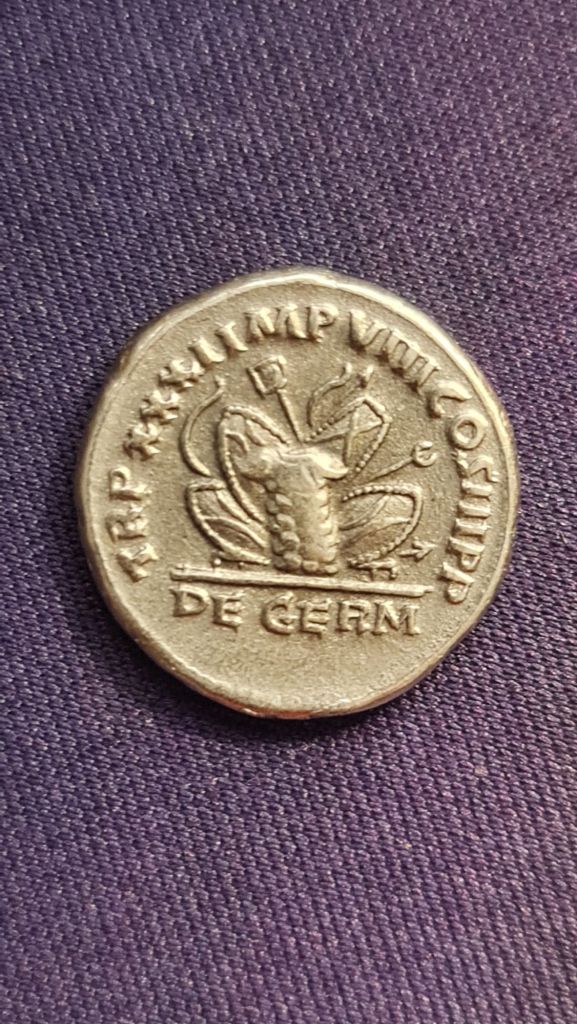
FORTUNAE REDVCI
ET DEO MITHRAE
VIATOR OBTVLIT
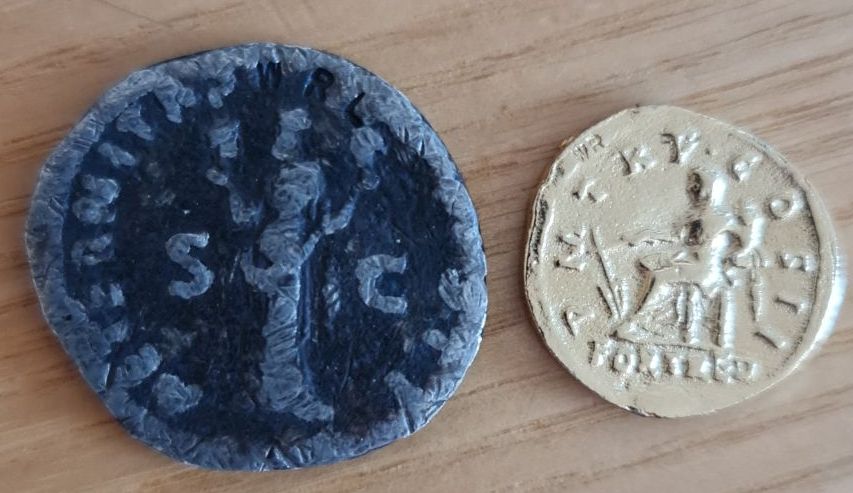
DVOBVS NVMISMATIBVS
LVMEN ET VMBRAM
PRO ITERE NOVO
—
To Fortuna Redux
and the god Mithras
a traveler offered,
with two coins,
light and shadow,
for a new journey.
—
In manu mea duo numisma iacent,
In my hand two coins lie,
unum obscurum, gravis umbra temporum,
one dark, heavy with the shadow of time,
alter aureus, fulgor reditus et spes.
the other golden, the radiance of return and hope.
—
Fortuna duplex, tenebra et lumen,
Fortune doubled, darkness and light,
Denarius veterum vincula portat,
the Denarius bears the bonds of the ancients,
Aureus cantat novam viam, redire domum.
the Aureus sings a new path, to return home.
—
Sub muro Hadriani, inter castra et silentium,
Beneath Hadrian’s wall, between fortress and silence,
Mithras in specu sanguinem fundit, lucem aperit.
Mithras in the cave spills blood, opens the light.
Et Fortuna Redux me manu ducit,
And Fortuna Redux leads me by the hand,
per noctem, ad diem, ad perpetuam viam.
through night, to day, to the everlasting way.

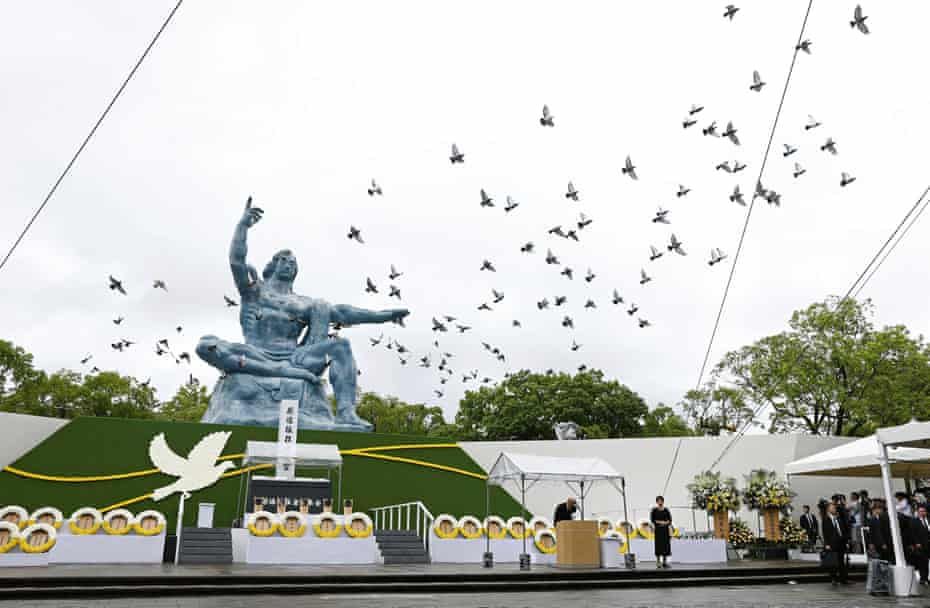
Nagasaki
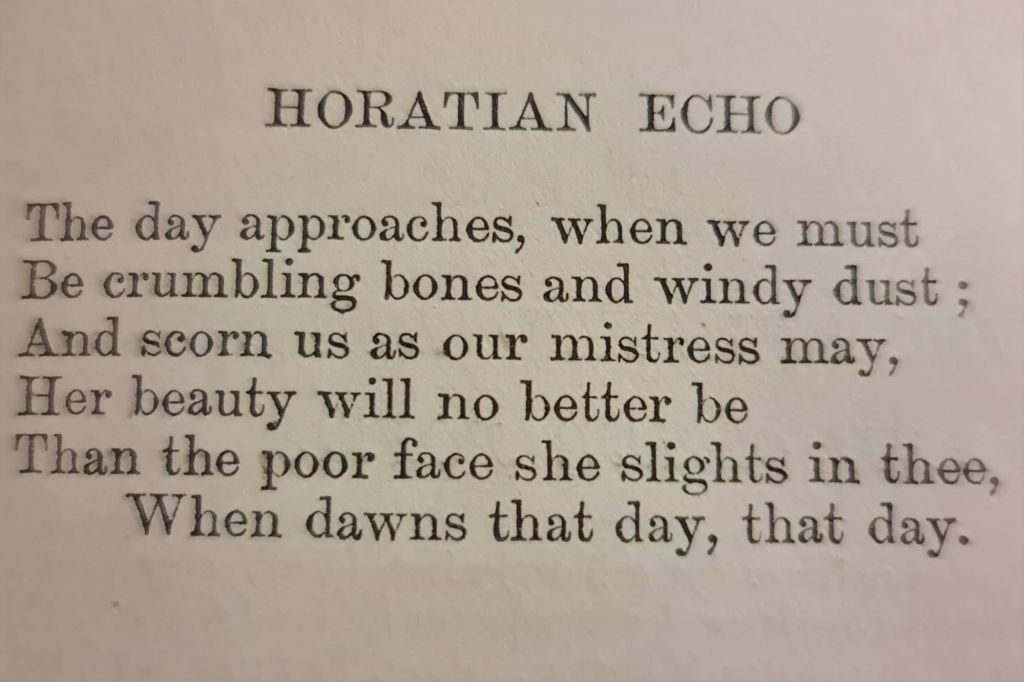
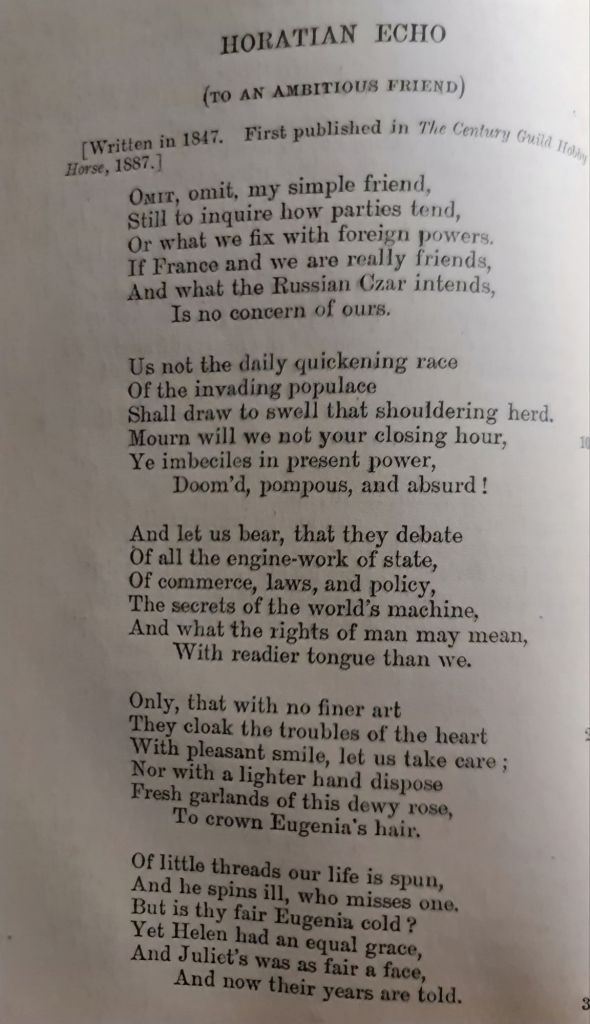
The day approaches