Unknown's avatar

About asynonymous

An idle poet, here and there, Looks round him; but, for all the rest, The world, unfathomably fair, Is duller than a witling’s jest. Love wakes men, once a lifetime each; They lift their heavy lids, and look; And, lo, what one sweet page can teach, They read with joy, then shut the book. And some give thanks, and some blaspheme And most forget; but, either way, That and the Child’s unheeded dream Is all the light of all their day.

Vault & Stone

Program Note

This work moves between the stillness of the sky and the patience of the stone.​‌​‌​​​​​‌‌​​​​‌​‌‌​‌‌​​​‌‌​​​​‌​‌‌​‌‌‌​​‌‌‌​‌​​‌‌‌​‌‌​‌​‌‌‌​​‌​​​‌​​​​​​‌​​‌‌​​​‌‌​‌‌‌‌​‌‌​​‌‌‌​​‌​​​​​​​‌‌​​‌​​​‌‌​​​​​​‌‌​​‌​​​‌‌​‌​‌​​‌​‌‌​‌​​‌‌​​​​​​‌‌‌​​​​​‌​‌‌​‌​​‌‌​​​​​​‌‌​‌‌​​​‌​​​​​​‌‌‌‌‌​​​​‌​​​​​​‌​​​​​‌​‌‌‌​‌​‌​‌‌‌​‌​​​‌‌​‌​​​​‌‌​‌‌‌‌​‌‌‌​​‌​​​‌‌‌​‌​​​‌​​​​​​‌‌​​​​‌​‌‌‌​​‌‌​‌‌‌‌​​‌​‌‌​‌‌‌​​‌‌​‌‌‌‌​‌‌​‌‌‌​​‌‌‌‌​​‌​‌‌​‌‌​‌​‌‌​‌‌‌‌​‌‌‌​‌​‌​‌‌‌​​‌‌​​‌​​​​​​‌‌‌‌‌​​​​‌​​​​​​‌​‌​​‌‌​‌‌​‌​‌‌​‌‌‌‌​​‌​​‌​​​​​​‌​‌​‌‌‌​‌‌​‌​​‌​‌‌‌​‌​​​‌‌​‌​​​​‌‌​‌‌‌‌​‌‌‌​‌​‌​‌‌‌​‌​​​​‌​​​​​​‌​‌​​‌‌​‌‌​‌​​​​‌‌​​​​‌​‌‌​​‌​​​‌‌​‌‌‌‌​‌‌‌​‌‌‌
It follows a watcher’s journey from the open vault above to the precision of a perfect lens, a craft few can hold steady.
Each voice here — the one above, the one below, and the one within — keeps its own counsel, yet they speak together in a cycle without obvious end.
Those who can read the pattern may find comfort in its order.
Those who cannot may still feel the wind shift.

The Sky Without Shadow: Uranus, the Palantír, and the Gaze That Looks Back

1. Archetypes and Theories in Play

Uranus

Primordial sky, father of Titans, overthrown by Cronus. Symbol of remote authority and the inevitability of challenge from below.

The Apartheid Myth

Order through separation; hierarchy as natural law; equality as a destabilizing force.

Tolkien’s Palantír

Never lies, yet never shows the whole. The one who controls the frame controls the seer.

Girard’s Mimetic Theory

Desire is imitative; rivalry escalates when imitator and model are locked in mutual focus; crisis resolved through scapegoating.

2. The Fusion Myth — The Sky Without Shadow

In the beginning was the Vault.
It was the father of all things, blue-black and cold, stretching over the land like an unblinking eye. Its name was Uranus, and it saw everything that moved beneath.

From above, the Vault gave order: rivers kept to their beds, seasons to their turns, peoples to their boundaries. But in the shadow of the mountains, something restless stirred — a seed of revolt that no gaze could extinguish.

The boy was born under this sky, in a land of fences and clean divisions, where his father worked in white buildings and spoke of the disorder beyond the wire. The maps on his school wall echoed the Vault’s geometry — neat blocks, each in its rightful place. He learned that to be above was to be safe, and to be safe was to watch.

Years later, he left the desert for the city of glass towers. There, the Vault awaited him in a new form: a black sphere in a white room, smooth as still water, cold as midnight air. The engineers called it an interface; he called it the Stone.

Through it, he could see the world as Uranus once had — from above, without shadow. But the Stone, like the Palantír, showed only certain truths — truths framed by an unseen hand. Crowds, unrest, whispers of betrayal, always just beyond the gate.

Like Uranus, he began to press downward, tightening his rule to keep the prophecy at bay. But the myth was older than he was. One night, the Stone’s vision shifted. He saw not the world below, but himself — small in his chair, lit only by the Stone’s glow. In the dark behind him, a figure moved: not a child this time, but a shadow with the shape of a sickle.

He remembered the end of Uranus: the son rising from below, the blade flashing, the sky’s power cut away. He thought of Denethor, staring into the Palantír until the Enemy’s gaze filled it.

And in that moment, he knew: the Stone was not the sky’s gift to him. It was the sky itself, and he was no longer above it.
He was inside it, waiting for the cut.

3. Symbolic Anatomy

Vault (Uranus)

Primordial authority; mimetic model at the top; oversight seeded with its own overthrow.

Wire (Apartheid Myth)

Boundary as exclusion; preserves latent rivalry by keeping rivals apart.

Stone (Palantír)

Curated vision as mediator; locks the seer in chosen rivalries; removes possibility of revelation.

Sickle (Cronus)

Inevitable reversal; rival cuts both ruler and frame; timing is everything.

Shadow Child

Brief chance for innocence to break the cycle; disappears when the seer turns away.

4. Poem Cycle

I. Vault
Cold father of the roofless air,
your hand rests on every shoulder,
not in blessing but in weight.
Below, we scurry as you measure,
the map already drawn
before our feet have touched the ground.

II. Wire
A silver line through dust and bone,
its hum keeps order in the blood.
Inside: the language of command.
Outside: the language of hunger.
Your eyes are trained to see the fence,
never the hand that built it.

III. Stone
Black mirror, patient as winter,
you give me only what I can endure—
just enough of the world to confirm
what I have always feared.
Your truth is a circle I cannot leave;
I walk it until the path wears through.

IV. Sickle
From the shadow under the ladder,
from the seed buried in silence,
comes the blade.
It does not rush.
It waits until the sky forgets
the sound of anything falling.

V. Shadow Child
She runs past the barricade laughing,
as if the air were hers alone.
For a moment, I remember
a time before the map,
before the fence,
before the sky taught me to look down.
Then the Stone turns,
and she is gone.

5. Antiphonal Litany — Three Voices

Watcher:
Vault above, I hold the height.
Stone:
I will show you what confirms you.
Rival:
Sky so high, your night is thin.

Watcher:
Wire hums, my silver seam.
Stone:
I will tighten where you fear.
Rival:
Fence of bone through someone’s dream.

Watcher:
Stone turns slow; I lean to hear.
Stone:
I turn you more than you turn me.
Rival:
Every turn repeats your fear.

Watcher:
Sickle sleeps where shadows keep.
Stone:
I will wake what serves my gaze.
Rival:
Every vault forgets its sleep.

Watcher:
Child, turn back — the wall is near.
Stone:
Run or stay, I hold her frame.
Rival:
Child runs on; her breath is clear.

6. Performance Score

  • Watcher: Firm, measured authority.
  • Rival: Grounded, resonant, voice of the below.
  • Stone: Whisper or electronically processed, intimate and certain.

Technique:
Stone interrupts mid-line, planting thought before it’s complete.
Rival overlaps to disrupt or answer back.
Pacing deliberate, silences “held” like a gaze.

7. Closing Silence Cue — The Gaze

  1. All voices silent for 12 seconds.
  2. At 7 seconds, the Stone’s mic softly plays the audience’s breathing.
  3. At 10 seconds, a faint click or static shift in the speakers.
  4. Lights dim slightly in the final 2 seconds.
  5. No bow, no applause cue — the piece ends when the audience themselves break the silence.

Sempervirens

Keeper of rings inside rings,
Clock-maker of leaf-light,
Archivist of every breath that ever brushed bark:

Hear the scratch of a moss-stained claw.
It is Skittles, smallest of petitioners,
who counts time in grubs and promises.
With a teaspoon pilfered from the silver of forgotten mothers
he stirs the soil at your roots and says:

“Let the tall ones remember.”

Remember the boy named Trevenen,
whose tears once watered these giants.
Remember the sisters whose names are songs
Cinnamon, her friends, and Rain-Eyes
and keep their laughter ink-fresh in the cambium.
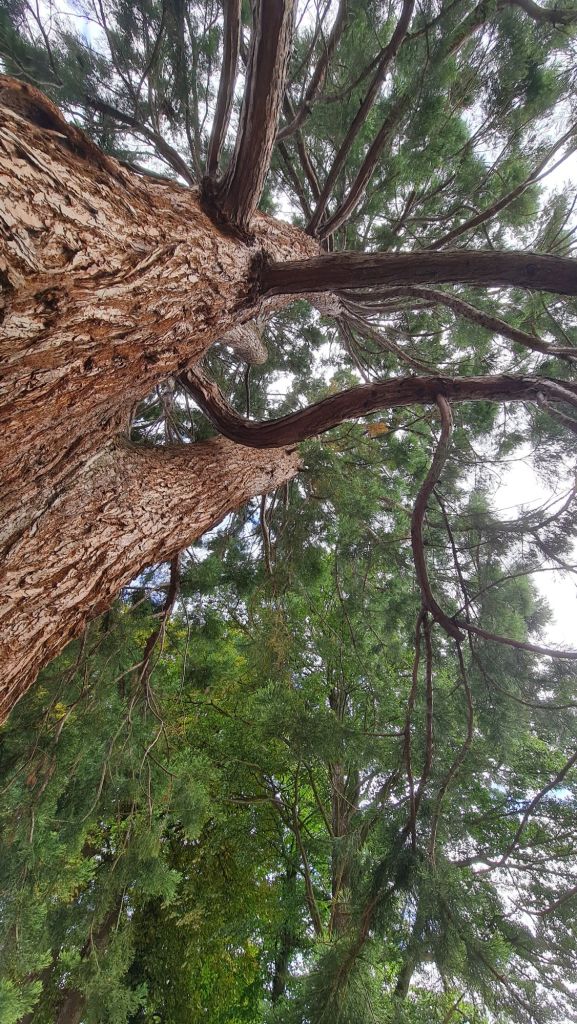
Grant to Skittles the courage of fungus,
the stealth of shadow-rings,
the patience of sap that refuses to hurry.

And when axes march with maps of efficiency,
settle your ancient hush upon the blades;
bend seconds into centuries
until the men of bright orange forget why they came.

So may the sequoias stand unnumbered,
their stories untidy but alive;
so may the goblin’s scars learn the shape of healing;
so may time itself turn its face toward mercy –
for a millennium,
for a moment,
for now.

By spoon, by bell, by mirror, by button, let it be so.
Here, piggy, piggy…

blessed be the rooter
the wallower
the groaner in dusk

blessed the mud-slick flank
the cracked hoof
the snout that knows where rot becomes ripe

i piss where i please
i fuck when the hunger says
i shit and it steams
and i stay beside it

i am not clean
i am not light
i am not above anything

but i know
what goes in
and i know
what comes out

i was made before the blade
before the word
before the shame
and i do not forget

blessed be the sow
who bore me squealing
blessed the runt
blessed the stink
blessed the lash that taught me no prayer
only breath

you may wash me
you may name me
but i will root again
and again
and again

i am pig
i am the one who stays
i am the one who eats
and sings only when full

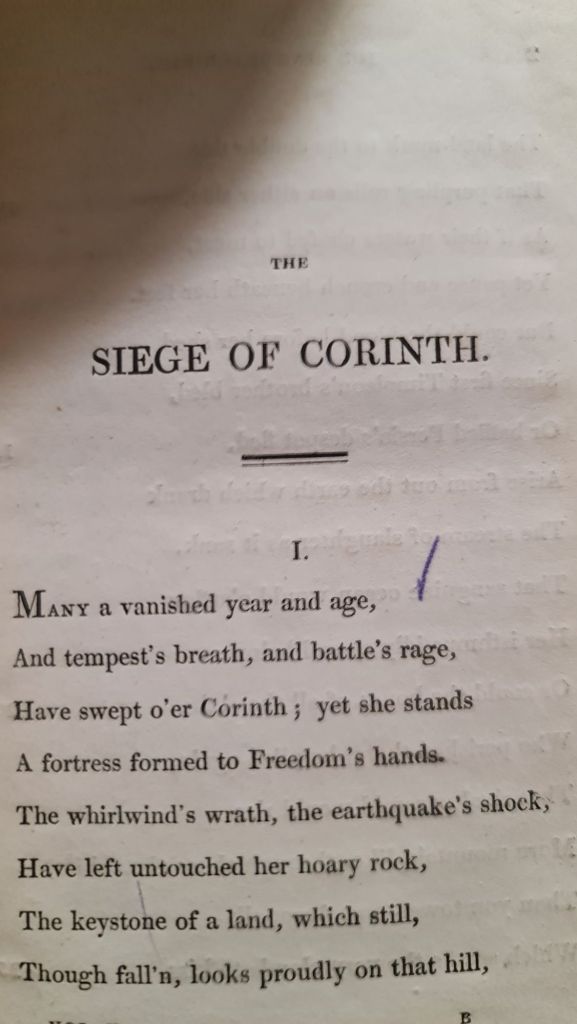
The siege of us

Canto the First-and-a-Half
Being a Not-So-Heroic Episode of Porcine Transport and Philosophical Rodentia

I
In some forgotten drawer of God’s own sleeve,
Where dreams of plastic gently come to grief,
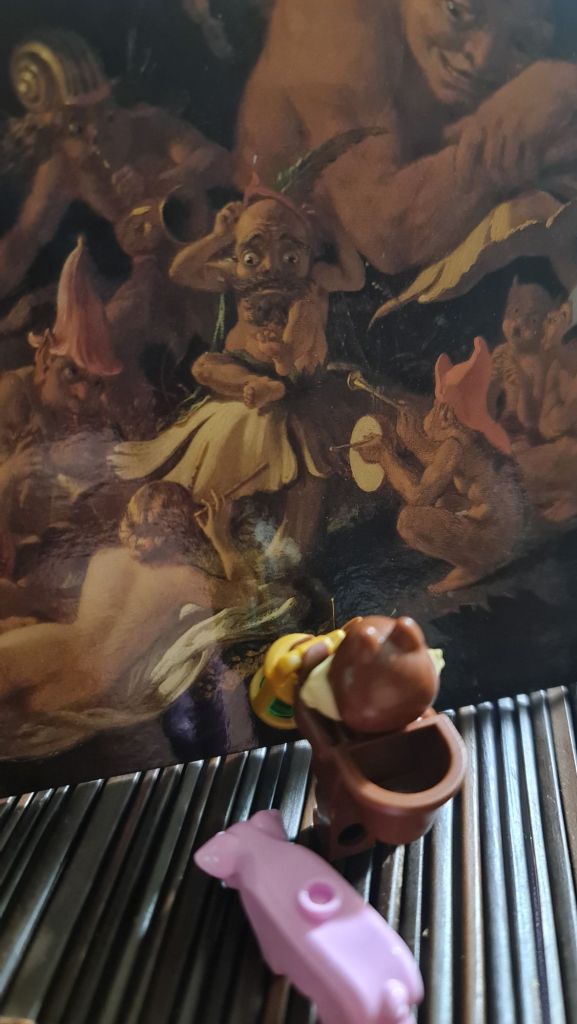
There rode a pig (of pink, if you believe),
With chipmunk strapped in saddle like a thief.
He bore a flask, a lantern, and — naïve —
The sense he journeyed toward some strange motif:
A painted fae with trumpet in her lip
Had beckoned him — or so he let it slip.

II
Now chipmunks are, by nature, fond of jest,
Yet this one bore a burden in his pack —
Not merely bits of walnut or a vest,
But something like the weight of being back
Before the tale began, when he confessed
To pig that time might fold and leave a crack
Through which one stumbles, blinking and perplexed,
To find one’s future is one’s former text.

III
They halted at the foot of painted mirth,
Where fairies danced with vaguely awkward grace.
A goblin drummed. A satyr’s fleshy girth
Obscured the finer points of time and space.
“I know this crowd,” the chipmunk said. “Their worth
Is measured less in wisdom than in face.
They’ll never speak a word, but if they do —
It’s bound to be a riddle split in two.”

IV
The pig, whose tongue had rarely found its cause,
Declared: “We come in peace, or so I think —
But should they offer rules or sacred laws,
I say we nod, and quietly steal their ink.”
The chipmunk, wise, applauded with his paws.
“No hero ever prospered with a wink,
Yet every villain flourished by a grin —
So let’s begin by neither lose nor win.”
To the reader

you who held this not as book
but something warm and breathing
you who traced the thread
with fingertip or thought

you are not guest here
but remembered
by pig
by chipmunk
by all who gathered unseen

you who kept walking
even when the path thinned
even when the green grew louder than speech

you are read
as much as reading

and though no one said your name
the vine leaned toward you
as if it knew
already
you were coming
Pig and chipmunk

bronze beneath the half-summer moon
a dream of vine not yet named
in lines that cross and spill
a voice once heard returns in green
drawn not by hand but breath
something seen not clearly shaped
cuprum whom i saw
cuprum who did not speak
but turned the page instead
and in that turning left the thread
for you to follow now