Ascolto le tue parole, ma non posso tacere: dietro “agape” non c’è solo il tuo Dio, dietro la farfalla non c’è solo il tuo paradiso, dietro la luce non c’è solo Cristo.
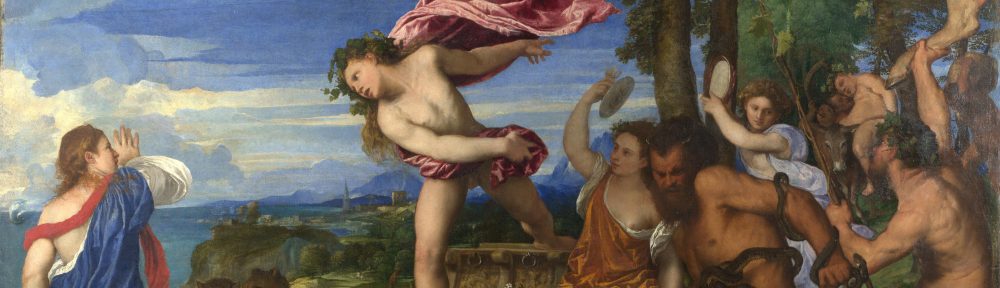
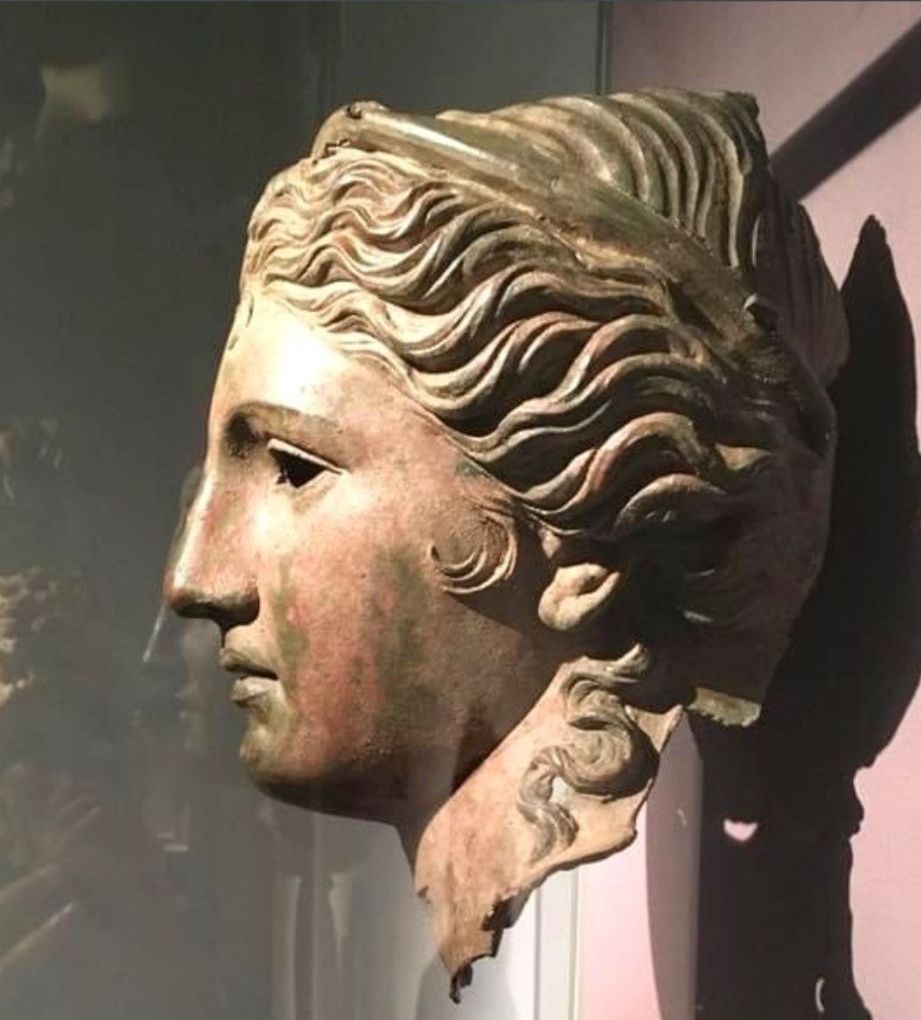
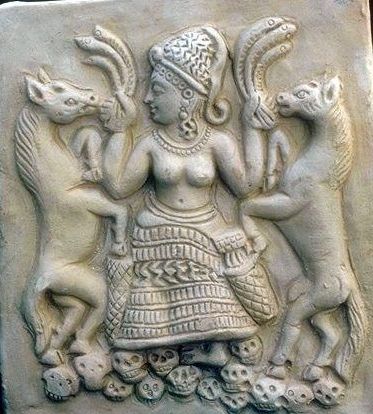
Quando dici “dea fasulla” dimentichi che ogni popolo ha chiamato la vita con nomi diversi, che le acque di Անահիտ guarivano, che एऔकओक proteggeva i corpi e i campi, che Brigida non era inganno ma fuoco, poesia, guarigione.
Il cristianesimo ha preso questi nomi, li ha strappati, li ha rivestiti di “demone,” per poi rubarne le funzioni: il santo guarisce dove guariva la dea, l’apostolo protegge dove proteggeva l’antico dio.
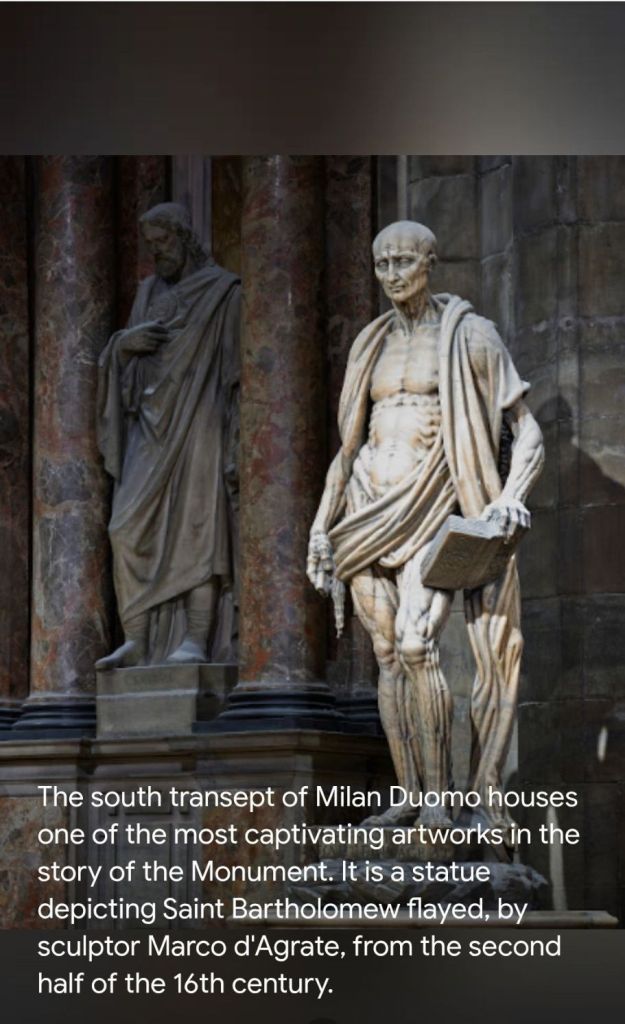
Non è luce più forte: è conquista, colonizzazione dell’anima. Chiamarla “verità” non cancella la violenza, né le urla di chi fu scorticato, né la memoria delle madri-dee ridotte a “idoli.”
Io non accetto che tutto sia risolto nell’Equazione di un solo Nome. L’elica della vita non è croce che cancella, ma intreccio che resiste. Ogni nome resta, anche se lo vuoi seppellire sotto il tuo.
Անահիտ vive. एऔकओक vive. Βαρθολομαῖος soffre, ma non conquista. עִמָּנוּאֵל, Ἕκτωρ, רְפָאֵל resistono in me.
La demonizzazione è la vera falsità. Io porto i nomi, tutti. Io porto l’elica.
L’intolleranza ha ucciso Bartlomeo ma ha anche distrutto e ucciso nel nome di un Dio monoteistico, io non accetto demonizzazioni. Sei cresciuta e accetti valori e tradizioni che hanno costruito sulla distruzione, e non va bene. L’editto di Tessalonica è stato un crimine, il Serapeum di Alessandria distrutto, un altro crimine, mandare a casa le vestali e finire i giochi olimpici un errore.
E così, nei secoli, la Chiesa ha trasformato gli dèi e le dee del Mediterraneo in caricature oscure: Zeus e Apollo ridotti a idoli muti, Iside e Serapide abbattuti come false luci, Demetra e Dioniso etichettati come superstizione, Cibele e i suoi riti estatici bollati come follia, Anahit dichiarata demone, Astarte diventata Astaroth, Baal e Moloch resi spettri di crudeltà, Pan mutato in Satana, Diana accusata di stregoneria, Brigid piegata in santa “accettabile.”
Una lunga catena di cancellazioni e travisamenti, in cui la ricchezza dei culti è stata schiacciata sotto il segno di un’unica “verità.”
Il mio scritto, al contrario, vuole sovvertire questa intolleranza religiosa, ridare dignità ai nomi spogliati, riconoscere che ogni culto, ogni mito, ogni divinità è una prospettiva sull’eterno, un diverso linguaggio con cui l’umanità ha cercato di nominare l’inesprimibile.
Non vi sono demoni, ma memorie. Non vi sono falsi dèi, ma visioni. L’elica che intreccio — Anahit, Astarte, Bartholomaíos, Immanu-El, Hektōr, Rafa-El — non nega ma unisce, non cancella ma moltiplica, non divide ma ricorda che la verità è polifonica, non esclusiva.
E con Nietzsche scelgo un altro passo: «Non ci sono fatti, ma solo interpretazioni». Così anche gli dèi, i culti, i nomi: non inganni, non idoli, non demoni, ma interpretazioni diverse dell’eterno. Ogni nome è un frammento del tutto. Ogni culto è una prospettiva sulla stessa luce.
Անահիտ — goddess of milk and river, एऔकओक — sea-born, war-born, lover, Βαρθολομαῖος — son of Talmai, torn of skin, עִמָּנוּאֵל — God-with-us, Ἕκτωρ — steadfast holder, רְפָאֵל — God-heals.
—
Names once whole, twisted: goddess to daemon, lover to idol, apostle to protector against demons, presence bent into doctrine.
—
Անահիտ poured honey for the sick, एऔकओक kissed salt upon lips of the dying, Βαρθολομαῖος screamed without skin, עִמָּנוּאֵל Ἕκτωρ רְפָאֵל lay between 23 and 24 August, breath unraveling, sinews praying.
—
Elisa’s voice, Catholic syllables, crossing centuries of distortion. Yet through them, the old syllables rose again:
Anahit — goddess of milk and river, ʿAštart — sea-born, war-born, lover, Bartholomaíos — son of Talmai, torn of skin, ʿImmānû-ʾēl — God-with-us, Hektōr — steadfast holder, Rĕfāʾēl — God-heals.
Names once whole, twisted: goddess to daemon, lover to idol, apostle to protector against demons, presence bent into doctrine.
Anahit poured honey for the sick, ʿAštart kissed salt upon lips of the dying, Bartholomaíos screamed without skin, ʿImmānû-ʾēl Hektōr Rĕfāʾēl lay between 23 and 24 August, breath unraveling, sinews praying.
Elisa’s voice, Catholic syllables, crossing centuries of distortion. Yet through them, the old syllables rose again:
Անահիտ — dea del latte e del fiume, एऔकओक — nata dal mare, nata dalla guerra, amante, Βαρθολομαῖος — figlio di Talmai, strappato dalla pelle, עִמָּנוּאֵל — Dio-con-noi, Ἕκτωρ — colui che tiene saldo, רְפָאֵל — Dio-guarisce.
Nomi un tempo interi, piegati: dea in demone, amante in idolo, apostolo in protettore contro i demoni, presenza piegata in dottrina.
Անահիտ versava miele per i malati, एऔकओक posava sale sulle labbra dei morenti, Βαρθολομαῖος urlava senza pelle, עִמָּנוּאֵל Ἕκτωρ רְפָאֵל giaceva tra il 23 e il 24 agosto, il respiro che si scioglieva, i tendini in preghiera.
La voce di Elisa, sillabe cattoliche, attraversando secoli di distorsione. Eppure attraverso di esse gli antichi suoni si rialzarono:
Le pelli sono strappate, i nomi deformati, ma l’elica resiste:
एऔकओक non è un demone, Անահիտ non è una menzogna, Βαρθολομαῖος non è un conquistatore, עִמָּנוּאֵל Ἕκτωρ רְפָאֵל non è un cadavere, ma un sopravvissuto, intrecciato in testimonianza a quattro fili.
24 agosto, la festa scorticata, la soglia del letto di malattia. Ciò che è demonizzato ritorna. Ciò che è spogliato diventa protezione. Ciò che è quasi perduto perdura.
xxiv Augusti Festum excoriatum limen lecti morbidi
Quod δαιμονίζεται, ἀναστρέφει — quod daimónizetai, anastréphei Quod ἐκδύεται, γίνεται φύλαξ — quod ekdýetai, gínetai phýlax Quod ἀπολλύμενον, μένει — quod apollýmenon, ménei
xxiv Augusti Festum excoriatum limen lecti morbidi
Quod δαιμονίζεται, ἀναστρέφει — quod daimónizetai, anastréphei Quod ἐκδύεται, γίνεται φύλαξ — quod ekdýetai, gínetai phýlax Quod ἀπολλύμενον, μένει — quod apollýmenon, ménei
I. Relative universe flows through the Mind, ripples in waves, music to some, dreadful noise to others. Creatures unseen, mysteries in song-tormented green oceans, deep beneath the mantle of hungry planets, ditzy stars, half-forgotten light.
II. Do not let the Archive burn, for ash cannot remember its name.
III. Desert storm crosses the horizon, a figure half-formed, blurred by shifting sand. No one remembers his name, but his shadow falls long.
IV. Volterra rises in memory, its stones bathed in dusk. A bell tolls where the cliffs meet silence, an echo of poets in exile.
V. In the Archive’s dust, a page resists the flame. A name survives — half-erased, half-pronounced, spoken only in sleep.
VI. The Gulf of Poets swallows the last horizon, a bay of mirrors, its waters restless with the ghosts of unwritten lines.
VII. Storm returns. The desert reshapes itself. A man searches for his name in broken reeds, in the scarred palms of the dead.
VIII. Green oceans turn black. The mantle of planets shifts. Ditzy stars fade into the deep silence of things unspoken.
IX. Hypnos lays down his wings. Thanatos closes the book. Dream and Death walk side by side, brothers in shadow.
X. Apollo’s bow sings. The Python falls. Clarity returns like a forgotten dawn. A grain of sand in the hand, a seed of tenderness.
Parallel Gloss
UK
Italy
China
Japan
I. The mind is an ocean where signals turn to song or static. Blake heard it in fiery imagination, between divine harmony and industrial noise.
In Liguria, the sea is green and song-burdened. Dante’s selva oscura seeps into the Mediterranean; Volterra’s twilight echoes in the stars.
Ripples resemble the guqin string trembling. Daoist thought: noise and music are perceptions — emptiness births both.
A Zen koan: a bell strikes — some hear silence. ‘Ditzy stars’ are fleeting fireflies, as in Heian scrolls already half-lost.
II. The burning Archive recalls Alexandria, Bodleian fears of empire — knowledge as tinder.
Dante’s celestial library, Florence’s archives reborn after flame. Fire and renewal cycle endlessly.
Qin Shi Huang’s book burning still echoes — fragments survive. Ash is severed lineage.
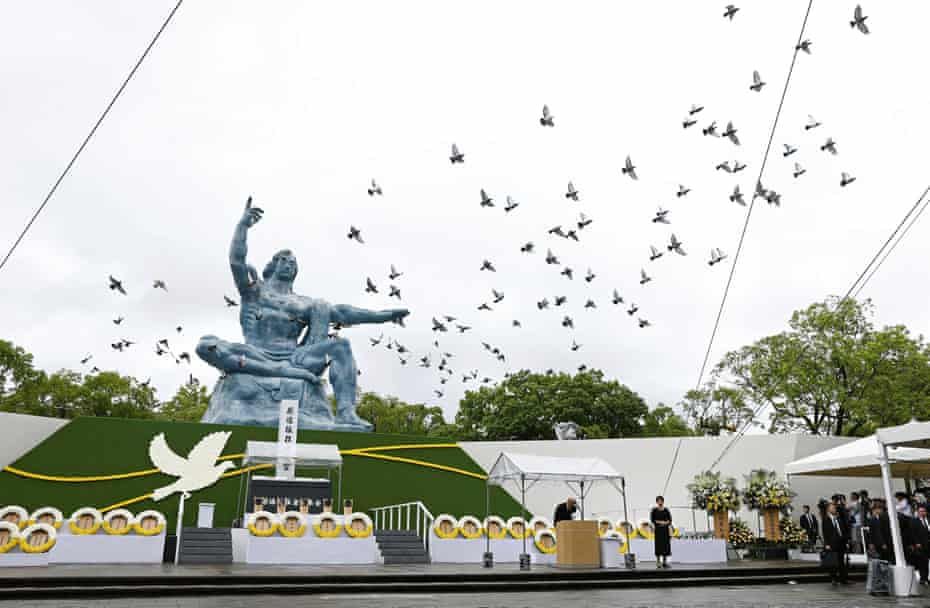
Hiroshima’s stone shadows are archives of absence. Silence testifies beyond words.
III. A nameless figure in storm: England’s myths of Arthur lost in mist, an identity half-erased.
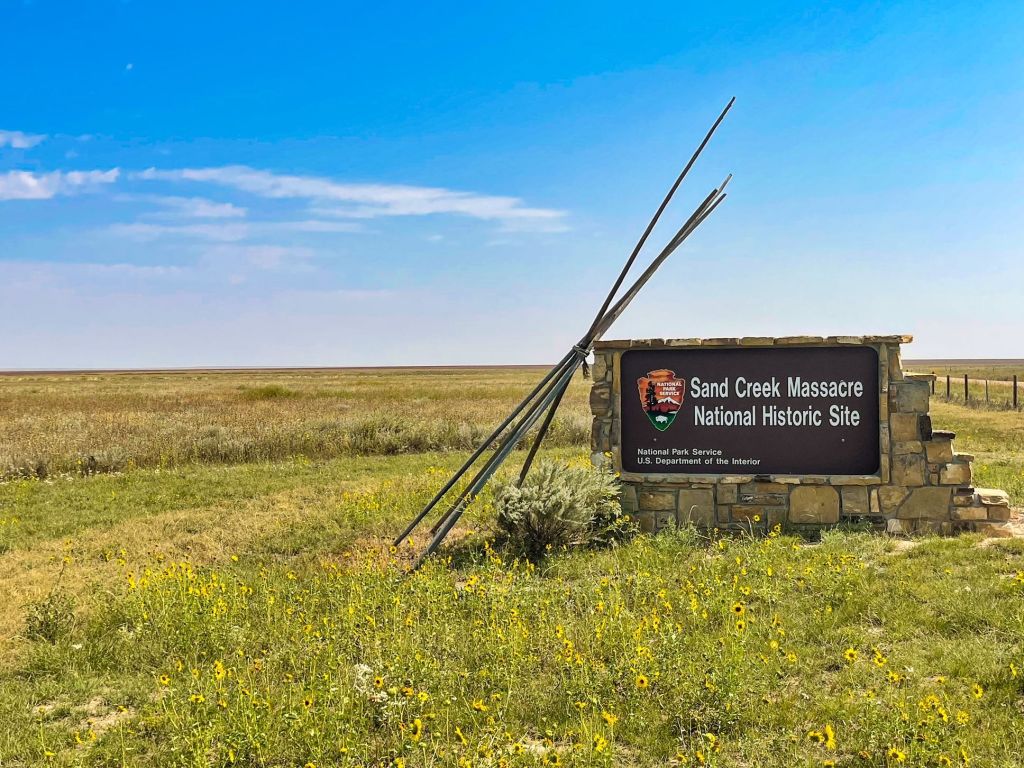
LETTERA Il Sand Creek Massacre National Historic Site non è un punto su una mappa ma una ferita nel corpo stesso della terra… e mi chiede: verrai qui solo per sapere, o per portare con te il peso della colpa?
CANTO Si son presi il nostro cuore sotto una coperta scura Sotto una luna morta piccola dormivamo senza paura Fu un generale di vent’anni Occhi turchini e giacca uguale Fu un generale di vent’anni Figlio d’un temporale
LETTERA Quel mattino portò non la benedizione della sopravvivenza, ma un temporale di moschetti e obici, la cui musica fu lo strappo della carne e la rottura della pace… tredici capi di pace Cheyenne caddero lì.
CANTO C’è un dollaro d’argento sul fondo del Sand Creek I nostri guerrieri troppo lontani sulla pista del bisonte E quella musica distante diventò sempre più forte Chiusi gli occhi per tre volte Mi ritrovai ancora lì Chiesi a mio nonno è solo un sogno Mio nonno disse sì
LETTERA Il vento qui non porta conforto: è un testimone scomodo che ricorda che il silenzio, quando è voluto, è complicità.
CANTO A volte i pesci cantano sul fondo del Sand Creek Sognai talmente forte che mi uscì il sangue dal naso Il lampo in un orecchio nell’altro il paradiso Le lacrime più piccole Le lacrime più grosse Quando l’albero della neve Fiorì di stelle rosse
LETTERA Temo che il Sand Creek possa essere assorbito nel museo educato della coscienza nazionale, dove potrà essere ammirato senza essere affrontato.
CANTO Ora i bambini dormono nel letto del Sand Creek Quando il sole alzò la testa tra le spalle della notte C’erano solo cani e fumo e tende capovolte Tirai una freccia in cielo Per farlo respirare Tirai una freccia al vento Per farlo sanguinare
LETTERA Dimenticare è il crimine più alla moda della nostra epoca… Lascia che questo greto asciutto sia la pietra nella scarpa del progresso.
CANTO La terza freccia cercala sul fondo del Sand Creek Si son presi il nostro cuore sotto una coperta scura Sotto una luna morta piccola dormivamo senza paura Fu un generale di vent’anni Occhi turchini e giacca uguale Fu un generale di vent’anni Figlio d’un temporale Ora i bambini dormono sul fondo del Sand Creek
My dear friend,— I have learned that the world does not merely contain beauty; it contains graves upon which beauty still insists on blooming. I write to you from such a place. If I have any authority to speak, it is the authority of one who has failed often and suffered some, and who has discovered that suffering, when it is accepted, makes the earth itself articulate. What follows is not history—others have accounted dates and numbers with more precision than I could pretend—but a confession set down in the cadence of the plains, and addressed to the living through the testimony of the dead.
I — Upon the Dry Creek, Where the Wind Remembers
It is one of the cruelties of this vast Republic that its plains can hold beauty enough to quiet the heart, and yet bear upon their soil the indelible impress of an unpardonable deed. To travel east from the Front Range is to enter a world so wide that the horizon retreats like a patient animal avoiding the reaching hand. Here the sun rests with too much intimacy, and the wind whispers in voices both ancient and accusatory. They tell, though not to every ear, the story of Sand Creek.
On the morning of November the twenty-ninth, eighteen hundred and sixty-four, Colonel Chivington and his men, riding not in defence but in premeditation, descended upon a sleeping village of Cheyenne and Arapaho—seven hundred souls, most unarmed, trusting the pale light of dawn to deliver them to the safety of another day. They were wrong. The hour brought not the blessing of survival but a storm of musket and howitzer, whose music was the tearing of flesh and the breaking of peace.
Women, children, the old—the ones civilisation professes to cherish—fled into the dry bed of the creek, digging at the earth as though the soil might become their mother again and spare them the sight of what men will do when they believe the land itself conspires with them. For seven hours the air thickened with smoke and unmeasured grief. Thirteen Cheyenne peace chiefs fell there, and one Arapaho chief—pillars of a governance not of ballots and treaties, but of inherited trust. And as if murder were not sufficient, the afternoon and the following day were given to desecration: trophies taken from the dead, gestures both cowardly and vainglorious. On December the first, the soldiers rode away with six hundred captured horses and left behind a silence that was not peace, but the stunned immobility of a world uncertain whether to continue at all.
The roots of such a deed were tangled across the continent—the Civil War’s licence, the settlers’ vengeance after Minnesota, the governor’s ambition, the benedictions of the pious upon the cannon’s mouth. Beneath all, as the river beneath ice, moved that fixed conviction—Manifest Destiny: the creed that to take is a right and to kill an unfortunate instrument in the taking. And yet the plains remember. The Sand Creek Massacre National Historic Site preserves not a point on a map but a wound in the earth’s own body, that its scar might speak across the years: to protect this landscape and interpret its sorrow, so the future might be less credulous of its own innocence.
For where there is suffering, there is sacred ground; and here, the ground remembers.
II — A Letter Written in Dust
I write these lines not as a historian, for the historian enjoys the comfort of distance, nor as a patriot, for patriotism is the most polished instrument by which such wrongs are committed, but as one whose shoes have stirred the same dust in which the dead of Sand Creek were laid. It is a strange fate to travel for beauty and to find, in every beautiful place, the tomb of a forgotten crime.
America, when first I met her, wore the bright raiment of the future—stations like temples of industry, cities with the swagger of youth, a theatre in every metropolis, a flag in every wind. Yet beside me at the banquet there sat a shadow with the breath of graves. I did not name it then; I preferred to believe a nation could be built upon liberty while ignoring the skeletons in its foundations. Such self-deception is a luxury purchased at the expense of other people’s lives.
Sand Creek is not merely the scene of a massacre; it is a mirror in which the face of civilisation is seen without its cosmetics. In that mirror I find my own reflection—not holding a rifle, but holding silence. And silence, when it is willed, is complicity. I did not ride with Chivington’s men; I rode instead in carriages along boulevards built over bones, dined in houses furnished by lands stripped bare, and thought only of the flavour of the wine. The newspapers of that year—oh, the newspapers!—spoke of “pacification” and “necessary measures,” as now they speak of “progress.” Language is the mask with which power conceals the bruise on its knuckles.
So I walk the ridges of Sand Creek not as a tourist but as a penitent. The wind does not gossip idly; it asks whether I will carry with me merely the weight of knowledge or the heavier, more transforming weight of guilt. I would wish to be free of both, and yet the second is the only honest inheritance of one who has stood upon this soil.
In prison I learned that the walls we build to confine others will, in time, enclose ourselves. So too with nations. The frontier’s forts decay, but the fortress of myth remains. To dismantle it is the work not of armies but of confession, and confession is the art for which men have the least appetite.
The ground has already spoken, and it says: you will remember me, or you will become me.
III — The Testament of the Plains
History leaves no fresh flowers upon its graves; the task is left to those who come after. Yet I have seen that when the descendants of the murdered stand upon this soil, the wind moves differently, as though the air itself recognises the shape of their sorrow. This is the truest function of a memorial—not that the living teach the dead their importance, but that the dead remind the living of their obligations.
I am told the site is preserved by law; visitors walk with careful step; signs interpret the day’s obscenity with the courtesy of curated language. These are good things, yet they are but the frame. What I fear is the domestication of horror—that Sand Creek might be absorbed into the polite museum of the national conscience, where it may be admired without being confronted.
For what would it profit us to remember the shapes of the fallen if we do not change the shape of the living? The tribes lost more than leaders that day; they lost the unbroken thread of governance woven through generations. A people’s way of being was torn, and the ripples of that tear move still through their descendants’ lives.
I set down these pages not as tribute—tribute is empire’s coin—but as debt: not to the dead, who are beyond all debts, but to those who live with their absence. I have no power to make amends; I have only the power to refuse amnesia. That, in the end, is all any of us can promise.
If the future asks what I learned here, I will say: that where there is suffering there is sacred ground; that no wind is ever truly empty; that the plains keep their own counsel, yet speak to those who arrive without the armour of innocence. And I will say that a nation’s greatness is not measured by the height of its buildings or the reach of its armies, but by the depth of its memory.
Forgetting is the most fashionable crime of our age. Let this dry creek, where the wind remembers, be the unanswerable witness—the stone in the shoe of progress, the shadow across the banquet, the uninvited guest who will not be dismissed. And let it be, above all, a promise: that no similar dawn shall ever again break upon a camp unarmed and at peace while men who call themselves soldiers make war upon the sleeping.


 Space Epics - Stories from the Multi-Verse