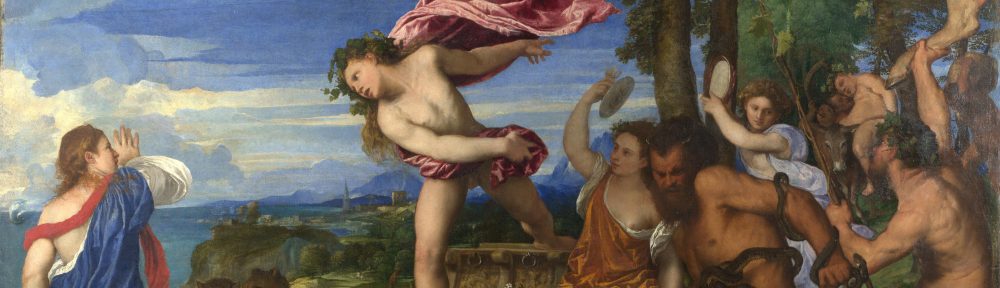
Blue-black lumen, flamma tacita, he hums inside the cosmic husk;
segment one of the veil nebula
fluted breath threads silk through vacuum, loci of forgotten drums.
echoes with Zauberflöte being sung;
One note, OMNIA, and nebulae fold like paper boats on Ganges-sky.
rainbow-hued gas densities shift and
O wanderer of milk-roads, you carry the ātmā of every spark;
haunt her heart, but Ariadne laughs:
here, before book and after death, you spin the first gold vowel.
the sick thoughts of planets are
Silver bow shivers between frater and frater, bellum and pity;
not discussed by the Athenian school.
hand kisses string, hesitates; the field at Kurukshetra uploads its blood.
That’s a clique of thought. Ariadne
Logos shouts from steeds’ throats, yet the warrior hears only pulse.
is a teacher at the Borovoe space
Choose, λέγει κρόνος, choose! — and the arrow already remembers its home.
academy. She is at a concert, and
Shore-spawn, tongue-splintered, you rise from brine with stellar ears;
feels as though she is surrounded
tempestas of cursing, yet constellations roost in your skull.
by stars, while Mozart’s acrobatics
Island is prison, prison is mirror; break one, both sing.
fill the hall. Her neighbour starts
In the guttered Latin of exiles you mutter “ego stellas audio.”
humming, her fantasy sublimes into a
It comes not forward but inward, curving like hungry geometry.
state of light – a student kicks the
No scale, no bone, only turning — a bite that is also a path.
back of her chair, a trillion meta-
Etruscan augurs would have called it θuχu, omen without entrails.
morphoses whet her mind. A memory.
Run, traveller; every step is a tighter radius of yourself.
John C. is setting up his computer,
Old emperor, moss in beard, weighs grief on a brass libra;
wired into consciousness and memory,
beside him, Hertha mater sings frost into the wound of earth.
which enables his terminal to log on
Their duet is marble-slow: stoicheía aligning, virtues yawning awake.
the solar system’s server, uploading
Quills scratch: remember, homo, your kingdom is an organelle of stars.
cellular activity to the digital frame;
Scrolls breathe: papyrus lungs exhale spores of murdered alphabets.
his foolish idea is to delete the past.
Ink-rivers, stuck mid-sentence, beg a tongue to thaw them.
memories on the solar-system-wide-web
Ecce the librarian’s lantern: its flame gulps centuries, yields dust-wine.
are available for download, exploration
What is saved? Only the echo of saving, filed under “Ω”.
manipulation and absorption into the X.
Fufluns laughs through cracked amphorae, vintage of riot and rose;
People are soulsharing but he wishes
his twin, Felix, pirouettes on rebar, juggling shrapnel and grapes.
only to seed (share his files), so he
Gaudium drips; crowds roar; physics forgets mass for a heartbeat.
blocks derivative unwanted memories
When the last bottle smashes, chorus whispers: “εὐοί!” — and burns brighter.
Now Ariadne reclines her head
North-black fish sleeps beneath permafrost dreams;
zoning out, imagining strips
south-white bird wakes, wings like cumulonimbus scrolls.
of sunset vanishing in mid-air.
In one turn of Tao it travels nonaginta milia li, then laughs.
Memories of a delirious sky of wine,
Sea becomes sky, scale becomes plume — identity a change-log, not a core.
laid to rest long ago, come alive.
Steam-diagram hisses in chalk, δQ / T tattooed on steel ribs.
Lights are awakened to the east
Each piston coughs a psalm to lost work; heat apostates to cold.
and the whole city stands silent.
Entropy is a patient god: never angry, ever hungry.
A cloud, flower-like, curiously
Close the cylinder, scholar — the equation keeps writing itself.
advances while the clock races,
Amber card murmurs abjuro, shields the brittle heartbeat for one minute;
a rose fades, and Ariadne smiles.
vermillion twin lisps resarcio, sewing shattered glass back to pulse.
The night is quiet, it is time
Simple materia: argentum speculum, breath, a hopeful thumb.
for poets to decipher existence
Clerics know: protection ends the moment you strike. So sing gently.
while the moon waltzes above our hive
Corridor repeats corridor, flesh-statues queue to kiss their own exit.
This is a time in the future when the
At the far pane a figure waves — is wave — refracts — disappears.
egalitarian plateaux has been reached.
Italian glyphs drip: “un labirinto”; Greek margins reply “λύγξ.”
The world by people has become perfect.
Touch the glass and fall inward: mirror breeds mirror, until prologue meets dawn.
Mystic music captures this pinnacle epoch.
Monthly Archives: July 2025
Prologue: The Fissure in the Wall of Time
1.
Infra muro Cornīnī, X homines stantrum.
Un cecānus tremblat, ānta silva os tenet.
Ten stand beneath the wall of Corinium.
One seer trembles, while the forest holds its mouth.
2. (Crowd, murmuring)
Audiant, sed credant nōn —
“Dī magnī, vel larvæ?
Ai maen y gŵr yma’n sôn am dduw neu cysgod?”
They listen, but do not believe —
“Great gods, or ghosts?
Or is this man speaking of a god or a shadow?”
3. (Seer)
Sento flamūram de lōnga oriens —
A’i ddanfonwyd Krishna?
Cantat vocem dan y croen byd.
I feel flame from the long East —
Was Krishna sent?
He sings a voice beneath the skin of the world.
4. (Crowd)
An vīdistī hoc? Est somnium?
Ai freuddwyd yw hwn?
Have you seen this? Is it a dream?
5. (Seer)
Arcus tremblat — Arjunus, fratrum inter,
breich lui’n crynu,
galon ef yn llosgi fel tân dan law.
The bow trembles — Arjuna, caught between brothers,
his arm shaking,
his heart burning like fire under rain.
6. (Crowd)
Hīc vīrum āmer — sed quis est iste?
Un brenin, neu ynfyd?
We love the warrior — but who is he?
A king, or a fool?
7. (Seer)
Calibān! Filius insulae, līngua fracta,
ond clyw e’r sêr yn canu.
Caliban! Son of the island, with a shattered tongue,
yet he hears the stars singing.
8. (Crowd)
Bestia est, servus est — cur ploras pro illo?
Nid yw’n un ohonon ni… ac eto, pam y dagrau?
He is a beast, a servant — why cry for him?
He is not one of us… and yet, why the tears?
9. (Seer, rising)
Cavum aperitur — fissus est tempus.
Mae’r wal yn hollti — mae’r byd yn siglo.
The hollow opens — time is torn.
The wall is splitting — the world trembles.
Racursus venit — spirālis morsus.
Tonn-seith y môr du — camragwyn a ddaw.
Racourse comes — the spiral bite.
The seventh wave of the black sea — a crooked light approaches.
10. (Crowd shivers)
Lūx tremolat — terra mollis — sonus alienus.
Yr awyr yn sgrechian — a’r pridd yn peidio ateb.
Light flickers — the ground softens — a foreign sound.
The sky screams — and the earth will not answer.
11. (Seer, touching the breach)
Leviatānus… nāvis in pectore…
mare in pectore…
ego in pectore.
Ac wyf fi — yn ei galon ef.
Leviathan… a ship in his chest…
the sea in his chest…
and I… am in his heart.
12. (All, barely whispering)
Tempus frangitur. Nōs vidēmus,
nōs audīmus,
nōs…
nōn sumus sōlī.
Ni’n gweld. Ni’n clywed. Ni… ddim ar ein pen ein hunain.
Time breaks. We see.
We hear.
We… are not alone.
Brythonic
· A’i ddanfonwyd — “Was he sent?”
danfon = to send
-wyd = passive past marker
· dan y croen byd — “beneath the skin of the world”
dan = under
croen = skin
byd = world
· Ai freuddwyd yw hwn — “Is this a dream?”
freuddwyd = dream
yw = is
hwn = this
· breich lui’n crynu — “his arm shaking”
breich = arm
crynu = tremble
· galon ef yn llosgi — “his heart burning”
galon = heart
llosgi = to burn
· fel tân dan law — “like fire under rain”
tân = fire
law = rain
· Un brenin, neu ynfyd — “A king, or a fool?”
brenin = king
ynfyd = fool
· ond clyw e’r sêr yn canu — “yet he hears the stars singing”
clyw = hears
sêr = stars
canu = sing
· Nid yw’n un ohonon ni — “He is not one of us”
nid yw = is not
ohonon ni = of us
· pam y dagrau — “why the tears?”
dagrau = tears
· Mae’r wal yn hollti — “The wall is splitting”
wal = wall
hollti = to split
· mae’r byd yn siglo — “the world trembles”
byd = world
siglo = shake
· Tonn-seith y môr du — “The seventh wave of the black sea”
tonn = wave
seith = seven
môr = sea
du = black
· camragwyn — “crooked light” (neologism)
cam = crooked
gwyn = white/light
(rag = prefix suggesting “before” or “toward”)
· Yr awyr yn sgrechian — “The sky screams”
awyr = sky
sgrechian = to scream
· a’r pridd yn peidio ateb — “and the earth will not answer”
pridd = earth
peidio = to cease
ateb = answer
· Ac wyf fi — yn ei galon ef — “And I am in his heart”
wyf fi = I am
galon ef = his heart
Vulgar Latin / Invented Latin
· Infra muro Cornīnī — “Beneath the wall of Corinium”
infra = beneath
muro = wall (ablative)
Cornīnī = of Corinium (local case)
· X homines stantrum — “Ten men stood”
homines = men
stantrum = fabricated participle from stāre (to stand)
· cecānus tremblat — “one seer trembles”
cecānus = invented from caecus (blind)
tremblat = trembles (hybrid form)
· ānta silva os tenet — “the forest holds its mouth”
silva = forest
os = mouth
tenet = holds
· Dī magnī, vel larvæ? — “Great gods, or ghosts?”
Dī magnī = great gods
larvæ = spirits or phantoms
· Sento flamūram — “I feel flame”
sento = I feel (Italo-Latin root)
flamūram = archaic form of flamma
· sub pelle mundī — “beneath the skin of the world”
sub = under
pellis = skin
mundus = world
· Arcus tremblat — “The bow trembles”
arcus = bow
tremblat = trembles
· fratrum inter — “between brothers”
fratrum = of brothers
inter = between
· Filius insulae — “Son of the island”
filius = son
insula = island
· līngua fracta — “shattered tongue”
lingua = tongue
fracta = broken
· aurēs habet ad stella — “ears toward the stars”
aurēs = ears
ad stella = to the stars
· Bestia est, servus est — “He is a beast, a servant”
bestia = beast
servus = servant
· cur ploras pro illo? — “Why cry for him?”
cur = why
ploras = you cry
pro illo = for him
· Cavum aperitur — “The hollow opens”
cavum = hollow
aperitur = is opened
· fissus est tempus — “time is torn”
fissus = torn
tempus = time
· Racursus venit — “Racourse comes”
venit = comes
· spirālis morsus — “spiral bite”
spirālis = spiral
morsus = bite
· Lūx tremolat — “Light flickers”
lux = light
tremolat = trembles
· terra mollis — “soft earth”
terra = earth
mollis = soft
· sonus alienus — “strange sound”
sonus = sound
alienus = foreign
· nāvis in pectore — “a ship in the chest”
nāvis = ship
pectore = chest
· mare in pectore — “the sea in the chest”
mare = sea
· ego in pectore — “I in the chest”
ego = I
· Tempus frangitur — “Time breaks”
frangitur = is broken
· nōs vidēmus — “we see”
vidēmus = we see
· nōs audīmus — “we hear”
audīmus = we hear
· nōn sumus sōlī — “we are not alone”
non sumus soli = not alone
Gaza genocide
E ‘nt’a barca du vin ghe naveghiemu ‘nsc’i scheuggi
Umbre de muri, muri de mainé
Dunde ne vegnì, duve l’è ch’ané
Da ‘n scitu duve a l’ûn-a se mustra nûa
E a nuette a n’à puntou u cutellu ä gua
E a muntä l’àse gh’è restou Diu
U Diàu l’è in çë e u s’è gh’è faetu u nìu
Ne sciurtìmmu da u mä pe sciugà e osse da u Dria
A funtan-a d’i cumbi ‘nta cä de pria
E ‘nt’a cä de pria chi ghe saià
Int’à cä du Dria che u nu l’è mainà
Gente de Lûgan facce da mandillä
Qui che du luassu preferiscian l’ä
Figge de famiggia udù de bun
Che ti peu ammiàle senza u gundun
E a ‘ste panse veue cose ghe daià
Cose da beive, cose da mangiä
Frittûa de pigneu giancu de Purtufin
Çervelle de bae ‘nt’u meximu vin
Lasagne da fiddià ai quattru tucchi
Paciûgu in aegruduse de lévre de cuppi
E ‘nt’a barca du vin ghe naveghiemu ‘nsc’i scheuggi
Emigranti du rìe cu’i cioi ‘nt’i euggi
Finch’ou matin crescià da puéilu rechéugge
Frè di ganeuffeni e d’è figge
Bacan d’a corda marsa d’aegua e de sä
Che a ne liga e a ne porta ‘nte ‘na crêuza de mä
Fabrizio De André ‧ 1984
Ninin
Asciôu tra i pin e i grî,
u mâ parlava pe lü.
O mondo o bruxeiva –
e lü,
comme-a pétra sott’o lêu,
u stæiva a sentî.
Nisciün o l’è vegnûo.
Ma lü o l’è restou.
O çê lü batteva
cun quælli ch’an affugou,
ch’an fucilà,
ch’an scordou.
Quande a notturna o l’o ciamava,
o no rispondeiva.
Ma lü u dondola i morti
inte-o so silensio.
Nascosto tra i pini e i rovi,
il mare parlava per lui.
Il mondo bruciava –
e lui,
come pietra sotto le onde,
ascoltava.
Nessuno venne.
Ma lui rimase.
Il suo cuore batteva
con quello degli annegati,
dei fucilati,
dei dimenticati.
Quando la notte lo chiamava,
non rispondeva.
Ma cullava i morti
nel suo silenzio.
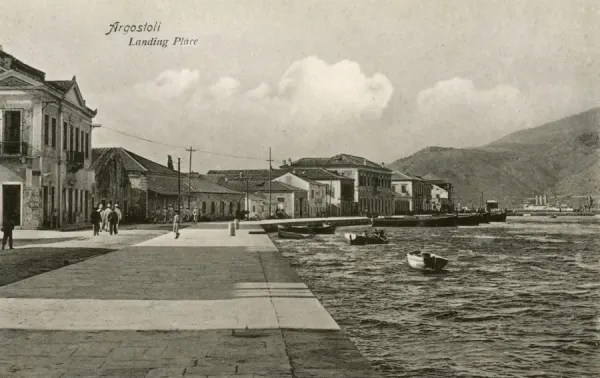
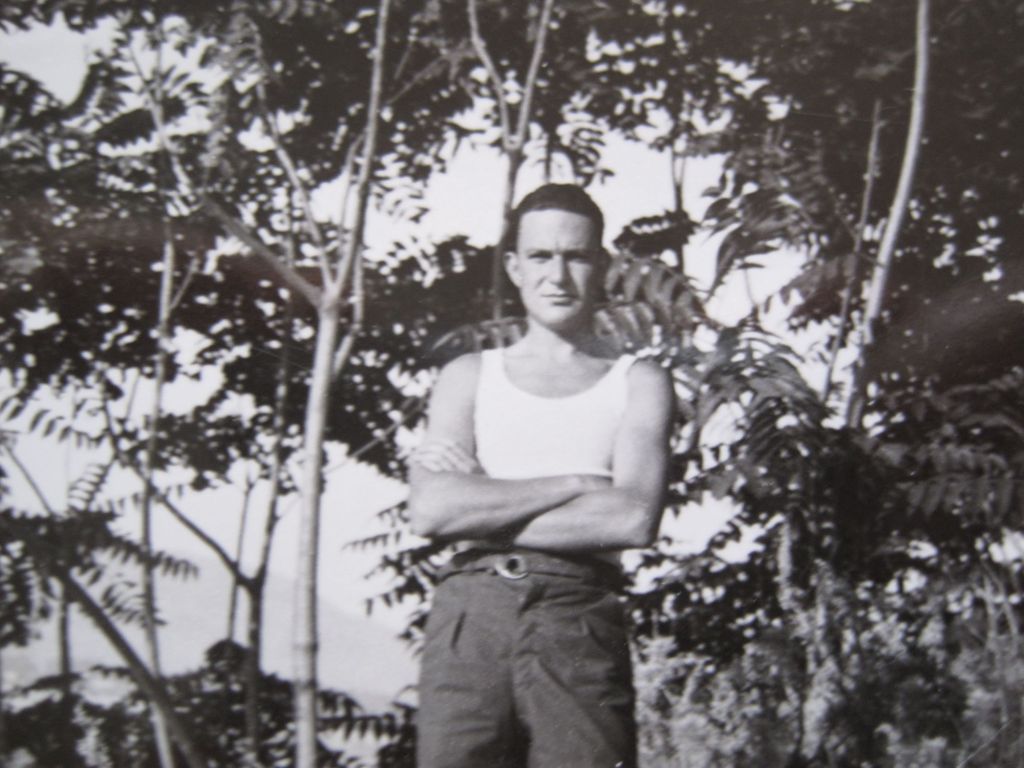
Let the Names Return | Թող Անունները Վերադառնան | ܬܘܒ ܕܫܡܗ̈ܐ ܢܗܘܘܢ | Ἐπιστρεψάτωσαν τὰ ὀνόματα
O flame that burns without ash,
Օ՜յ կրակ, որ այրում է առանց մոխրի,
ܐܘ ܢܘܪܐ ܕܝܩܕ ܕܠܐ ܐܦܪܐ ܒܗ,
Ὦ φλόξ, ἡ καιομένη ἄνευ σποδῶν,
O wind that speaks through bone,
Օ՜յ հով, որ խոսում է ոսկորներով,
ܐܘ ܪܘܚܐ ܕܡܠܠ ܒܥܲܓܳܡܶ̈ܐ,
Ὦ πνεῦμα, ὁ λαλῶν διὰ τῶν ὀστέων,
Gather the names we lost in the dust
Հավաքիր անունները, որ կորցրինք փոշում,
ܟܢܘܫ ܕܫܡܗ̈ܐ ܕܐܒܕܢ ܒܥܦܪܐ,
Σύναξον τὰ ὀνόματα, ἃ ἐχάσαμεν ἐν κονίᾳ,
And return them to the tongue.
Եվ վերադարձրու լեզվին:
ܘܗܦܟ ܠܫܢܐ ܕܢܩܪܐ ܒܗܘܢ,
Καὶ ἐπανάγαγε εἰς τὴν γλῶσσαν.
Let not the silence
Թող լռութիւնը չմոռացնի
ܠܐ ܢܫܬܘܩ ܕܢܫܟܚ,
Μὴ ἡσυχίᾳ λησμονηθῇ,
Swallow the mothers
Մայրերին, որ կուլ գնացին,
ܐܝܡܗ̈ܐ ܕܐܬܒܠܥܝܢ,
Τὰς μητέρας, αἳ κατεπόθησαν,
Who stitched their children’s names
Որոնք կարեցին զաւակների անունները
ܕܐܪܓܘ ܫܡ̈ܗܐ ܕܒܢܝ̈ܗܘܢ,
Ἃι ἔρραψαν τὰ ὀνόματα τῶν τέκνων αὐτῶν,
Into hems before the march.
Շարքերի եզրերին նախքան երթը։
ܒܩܪܣ̈ܐ ܩܕܡ ܙܠܘܬܐ.
Εἰς τοὺς ποδόγυρους πρὸ τῆς πορείας.
Let not the river
Թող գետը չմոռանա
ܠܐ ܢܫܟܚ ܢܗܪܐ,
Μὴ λησμονήσει ὁ ποταμός,
Forget the weight of girls
Աղջիկների ծանրութիւնը
ܝܩܪܐ ܕܒܢܬ̈ܐ ܕܛܒܥܢ,
Τὸ βάρος τῶν θυγατέρων,
Who vanished beneath its mouth.
Որոնք կորսուեցին նրա բերանի տակ։
ܕܐܬܛܥܝܢ ܬܚܝܬ ܦܘܡܗ.
Ἅι ἐχάθησαν κάτωθεν τοῦ στόματός του.
Bring back the fathers
Վերադարձիր հայրերին
ܐܝܬܒ ܠܐܒ̈ܐ,
Ἐπανέγαγε τοὺς πατέρας,
With books in their coats,
Գրքերով բաճկոններում,
ܥܡ ܟܬܒ̈ܐ ܒܠܒܘܫܗܘܢ,
Με βιβλία ἐν ταῖς στολαῖς αὐτῶν,
Dragged from their beds
Թափառած անկողիններից,
ܕܢܬܓܪܪܘ ܡܢ ܥܪܣ̈ܐ ܕܗܘܢ,
Ἐσυρθησαν ἐκ τῶν κλινῶν αὐτῶν,
With their words half-written.
Խոսքերը կեսով գրված։
ܘܡܠܐ ܕܠܐ ܫܠܡܘ,
Με λόγους ἡμιτελεῖς.
Bring back the priests
Վերադարձիր քահանաներին
ܐܝܬܒ ܟܘܡ̈ܪܐ,
Ἐπανόρθωσον τοὺς ἱερεῖς
Whose crosses still stand
Ում խաչերը դեռ կանգնած են
ܕܙܩܝܦ̈ܐ ܕܐܦ ܩܝ̈ܡܝܢ,
Ὧν οἱ σταυροὶ ἔτι ἕστηκαν,
On foundations buried in salt.
Աղով ծածկուած հիմքերի վրա։
ܥܠ ܫܘ̈ܬܐ ܕܐܬܛܡܢܘ ܒܡܠܚܐ.
Ἐπὶ θεμελίων ἐν ἁλὶ κατεχωσμένων.
For every voice
Յարայն ամեն ձայնի համար
ܥܠ ܟܠ ܩܠܐ ܕܐܬܚܢܩ,
Ὑπὲρ πάσης φωνῆς
Unheard by history’s ink,
Որ չի հնչել պատմութեան թանաքով,
ܕܠܐ ܐܬܩܪܐ ܒܕܝܘܟܬܐ ܕܬܫܥܬܐ,
Ἡ ἀγράφως ἔμεινεν ἐν τῇ ἱστορίᾳ,
We offer our breath
Մենք ենք մատուցում մեր շունչը
ܡܩܪܒܝܢ ܢܫܡܬܢ,
Προσφέρομεν τὴν πνοὴν ἡμῶν,
Like incense.
Որպես խունկ։
ܐܝܟ ܒܣܡܐ.
Ὡς θυμίαμα.
We speak:
Մենք ասում ենք՝
ܐܡܪܝܢܢ،
Λέγομεν·
Not for vengeance,
Ոչ վրեժի համար,
ܠܐ ܥܠ ܬܒܥܬܐ،
Οὐχ ἕνεκα τιμωρίας,
But for the repair of the world.
Այլ աշխարհի բժշկման։
ܐܠܐ ܠܬܩܘܢܬܐ ܕܥܠܡܐ،
Ἀλλὰ διὰ τὴν ἴασιν τοῦ κόσμου.
Not to wound,
Ոչ վնասելու համար,
ܠܐ ܕܢܚܒܠ،
Οὐχ ἵνα πληγώσωμεν,
But to lift the veil of denial
Այլ բարձրացնելու ժխտման քողը
ܐܠܐ ܕܢܫܩܠ ܐܬܬܐ ܕܟܦܝܪܘܬܐ،
Ἀλλ᾽ ἵνα ἀνακαλύψωμεν τὸ κάλυμμα τῆς ἀρνήσεως
From the face of time.
Ժամանակի երեսից։
ܡܢ ܐܦܐ ܕܙܒܢܐ.
Ἐκ προσώπου τοῦ χρόνου.
Let the names return.
Թող անունները վերադառնան։
ܬܘܒ ܕܫܡ̈ܗܐ ܢܗܘܘܢ،
Ἐπιστρεψάτωσαν τὰ ὀνόματα.
Let the bread rise again on the table.
Թող հացը նորից բարձրանա սեղանի վրա։
ܬܘܒ ܠܗܡܐ ܢܩܘܡ ܥܠ ܦܬܘܪܐ،
Ἀνατελέτω πάλιν ὁ ἄρτος ἐπὶ τῆς τραπέζης.
Let the bells ring in the tongues that sang them.
Թող զանգերը ղողանջեն երգող լեզուներով։
ܢܩܪܘܢ ܙܡ̈ܪܐ ܒܠܫ̈ܢܐ ܕܐܫܪܘ ܐܢܘܢ،
Ἐνακουσθήτωσαν αἱ καμπάναι ἐν ταῖς γλώσσαις ταῖς ᾖδουσιν.
Let the children who never grew old
Թող երբեք չծերացած երեխաները
ܛܠ̈ܝܐ ܕܠܐ ܪܒܘ،
Τὰ τέκνα ἃ οὐκ ἐγήρασαν,
Walk beside us, unseen, but real.
Քայլեն մեր կողքին՝ անտեսանելի, բայց իրական։
ܢܗܠܟܘܢ ܥܡܢ، ܠܐ ܚܙܝܐ ܐܠܐ ܫܪܝܪܐ،
Συμπεριπατεῖτωσαν ἡμῖν, ἀοράτως μὲν, ἀληθῶς δέ.
And if the world forgets —
Եւ եթե աշխարհը մոռանա՝
ܘܐܢ ܥܠܡܐ ܢܫܟܚ،
Καὶ ἐὰν ὁ κόσμος λησμονήσῃ —
Let us not.
Թող մենք չմոռանանք։
ܠܐ ܢܚܘܐ ܚܢܢ،
Μὴ ἡμεῖς ἐπιλάθωμεν.
Let our remembering
Թող մեր հիշողութիւնը
ܢܗܘܐ ܥܗܕܐ،
Ἐστὼ ἡ μνήμη ἡμῶν
Be the fire that does not consume,
Դառնա կրակ, որ չի սպառում,
ܐܝܟ ܢܘܪܐ ܕܠܐ ܐܟܠ،
Ὡς πῦρ ἀκατάφλεκτον,
But illumines.
Այլ լուսավորում է։
ܐܠܐ ܢܗܪ،
Ἀλλ᾽ ἐλλαμπρύνει.
Amen.
Ամէն։
ܐܡܝܢ.
Ἀμήν.
April 24, 1915 – Armenian Genocide Begins: Liberté, Liberté Chérie
https://music.youtube.com/watch?v=JkFIONn0J_c&feature=shared
1209 – Massacre at Béziers during the Albigensian Crusade
1492 – Expulsion of Jews from Spain
1619 – First enslaved Africans arrive in Virginia
1757 – Black Hole of Calcutta tragedy
1830s – Trail of Tears (forced relocation of Native Americans)
1864 – Sand Creek Massacre (Colorado)
1915 – Armenian Genocide begins
1937 – Nanjing Massacre (Rape of Nanjing)
1941 – Babi Yar Massacre (Kyiv, Ukraine)
1942 – Wannsee Conference (Holocaust planning)
1945 – Atomic bombings of Hiroshima and Nagasaki
1971 – Bangladesh genocide (Operation Searchlight)
1975 – Khmer Rouge regime begins in Cambodia
1994 – Rwandan Genocide
1995 – Srebrenica Massacre (Bosnia)
2003 – Darfur Genocide begins
2007 – Post-election violence in Kenya
2014 – ISIS genocide of Yazidis
2022 – Bucha massacre (Ukraine)
Ongoing – Rohingya persecution in Myanmar
Ongoing – Genocide of Palestinians
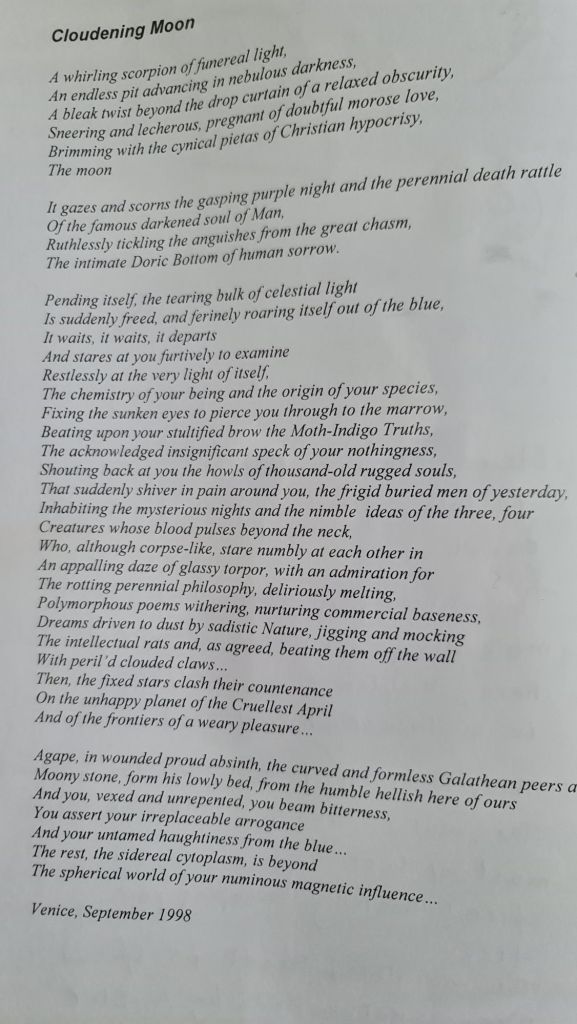
Cloudkill: annotation for Cloudening Moon
Venice, September 1998
Revisited for Space Epic, July 2025
Title: “Cloudening Moon”
The title itself sets a mood of occultation and veiling. Not a brightening moon, but one wrapped in mist, enigma, and emotional weight. The poem doesn’t simply evoke lunar symbolism; it evokes a process of moon becoming cloud — a celestial object caught in spiritual erosion.
Stanza 1
A whirling scorpion of funereal light,
An endless pit advancing in nebulous darkness,
A bleak twist beyond the drop curtain of a relaxed obscurity,
These lines introduce us to a cosmos that is actively hostile or at least indifferent. The “whirling scorpion” suggests danger cloaked in celestial disguise. The drop curtain evokes theatre, unreality, the staging of death.
Sneering and lecherous, pregnant of doubtful morose love,
Brimming with the cynical pietas of Christian hypocrisy,
The moon
The moon is personified as both cruel and fertile — not with life, but with “doubtful morose love”. The invocation of Christian hypocrisy hints at the speaker’s spiritual alienation, a refusal of easy consolation.
Stanza 2
It gazes and scorns the gasping purple night…
This stanza places the moon in a role of cosmic witness — detached, pitiless, maybe mocking. The “intimate Doric Bottom of human sorrow” fuses architectural classicism (Doric = strength) with bodily descent, aligning grandeur with grief.
Stanza 3
Pending itself, the tearing bulk of celestial light…
This stanza pivots: the moon seems to rupture, or become self-aware. The speaker is confronted not just with the moon, but with himself.
The chemistry of your being and the origin of your species…
A descent into existential science: marrow, cytoplasm, ancestral rage. It speaks to the biological burden of sorrow, passed down in molecular memory.
The Moth-Indigo Truths…
A hallucinatory image. Indigo = intuition. Moth = drawn to death-light. Truths that flit and burn.
Middle Section: Ancestral Chorus
Shouting back at you the howls of thousand-old rugged souls…
Here the poet becomes surrounded by the dead: ancestors, historical ghosts, failed philosophies, ancient betrayals. The frigid men of yesterday inhabit the speaker’s present.
Who, although corpse-like, stare numbly at each other…
This is not a resurrection of love. These souls are mute, numbed by their own trauma. A critique of history, of inheritance, of broken spiritual lineage.
Dreams driven to dust by sadistic Nature… beating them off the wall…
Even Nature is seen as cruel, dismembering the poetic and spiritual instinct. The speaker is both victim and witness.
Closing Stanza
Agape, in wounded proud absinth…
Agape here is multivalent: divine love, open-mouthed awe, perhaps even drunkenness (absinth). The speaker is looked upon by some higher, Galatean force.
You assert your irreplaceable arrogance…
The defiant note at the end stands out. Despite the cosmic horror, the speaker asserts dignity and haughtiness from the blue. This echoes Shelley, Nietzsche, and cosmic defiance.
The rest, the sidereal cytoplasm, is beyond…
Science meets mysticism here. The speaker ends not in resolution but in submission to the great unknown: the numinous magnetic influence.
Contextual Note (2025)
This poem was written in the shadow of Venice, by a young person confronting metaphysical despair and historical burden. Now, in 2025, its images feel like a prologue to a life deeply shaped by inherited trauma, spiritual longing, and mythic inquiry. This is not just a moon poem — it is a genesis text, a psychic document. It sets the tone for the Space Epic project.
The moon has not stopped cloudening. But now, perhaps, we know how to speak with it.
Luna che si fa cupa
Uno scorpione vorticoso di luce funerea,
Un pozzo senza fine che avanza nell’oscurità nebulosa,
Un’ansa livida oltre il sipario calato di un’oscurità rilassata,
Beffarda e lasciva, gravida d’un amore tetro e incerto,
Colma della pietas cinica dell’ipocrisia cristiana,
La luna
Fissa e disprezza la notte viola ansimante e il perenne rantolo di morte
Dell’anima oscura e celebre dell’Uomo,
Stuzzicando spietatamente le angosce dal grande abisso,
L’intimo Fondo Dorico del dolore umano.
In bilico, lacerandosi, la massa del lume celeste
È improvvisamente libera, e ferinamente ruggisce se stessa fuori dall’azzurro,
Attende, attende, poi si allontana
E ti scruta furtivamente per esaminare
Inquieta, alla luce stessa di sé,
La chimica del tuo essere e l’origine della tua specie,
Fissando gli occhi infossati per penetrarti fino al midollo,
Battendo sulla tua fronte intorpidita le Verità Indaco-Falena,
L’insignificante granello riconosciuto del tuo nulla,
Gridandoti contro gli ululati di anime vecchie di mille anni,
Che tremano all’improvviso nel dolore attorno a te, i freddi uomini sepolti di ieri,
Abitanti delle notti misteriose e delle idee agili dei tre, quattro
Esseri il cui sangue pulsa oltre il collo,
Chi, sebbene simile a cadaveri, si guarda muto l’un l’altro
In uno stordimento agghiacciante di torpore vitreo, con un’ammirazione
Per la filosofia perenne in decomposizione, sciogliendosi deliziosamente,
Poesie polimorfe che si ritirano, nutrendo bassezze commerciali,
Sogni ridotti in polvere da una Natura sadica, che balla e schernisce
I topi intellettuali e, come concordato, li colpisce giù dal muro
Con artigli oscurati dal pericolo…
Poi, le stelle fisse schiaffeggiano il loro volto
Sul pianeta infelice del più Crudele Aprile
E sui confini di un piacere stanco…
Agape, in orgoglio ferito e assenzio superbo, la Galatea curva e informe osserva
Pietra lunare, dal suo giaciglio umile, da questo nostro umile inferno,
E tu, irritato e impenitente, emani amarezza,
Affermi la tua arroganza irrinunciabile
E la tua fierezza indomita che giunge dall’azzurro…
Il resto, il citoplasma sidereo, è oltre
Il mondo sferico della tua numinosa influenza magnetica…
Venezia, Settembre 1998
Death rattle
 Space Epics - Stories from the Multi-Verse