Prydain
ni yw Cymru
ni yw gwir ysbryd yr ynys hon
ni fyddwn yn cael ein dileu
rydym yn adennill ein henw
rydym yn adennill ein symbolau
byddwn yn dod o hyd i le, gan ddisodli’r dileu, nid y rhwbwyr.
Trans mare transiimus et corinium et eboracum aedificavimus.
Non omnes discedimus. Non omnes.
Testes erimus, non in arcibus manebimus.
In aperto exibimus et indigenas, advenas, oppugnabimus.
Haec insula dolore plena est, non solum nostro dolore.
Murum aedificavimus, ut ignominiam nostram celaremus.
Wē cōmāð ofer þǣm sǣ swā, wē cōmāð of þǣm eardum of nēðer. Wē sind cūðe, wē sind pyrātes, wē sind ān bastarde cyningcyn, ful of hyġe and lēahtrǣw, wē hæfdon forgyfen “þā fremde”, Wē hæfdon besæcged þā world, wē hæfdon sprǣd þā lēahtrǣw, wē hæfdon stēlen, āgened, (and ne forlēton for hwīl) þā sigel from Genuā, forþon wē hæfdon nān nama.
Wē ne hæfdon ān forwyrhta ūre, wē hæfdon hit forleofian.
Ūre stefn is se hludesta, se strangesta, se fyrmest.
Wē sind þā þe on rēad and hwit geþēodde, þāra cyneþeod, geworht of þāra pyrate þe Eboracum hātenne.
Wē sind swīðe beþoden þurh Daniel Dafoe, wē hæfdon suna and dohtor þāra nama wyrðe, ac wē hæfdon þā world geþēodde mid blōde.
Is sinne guthan an tuath, agus thig sinn a-nuas bho na h-àrd-thìrean, bheir sinn air ais ar fearann fhèin, ar guth fhèin,
leagaidh sinn sìos balla nan Ròmanach, leagaidh sinn sìos ar n-eagal fhèin,
thig sinn a-mach don fhosgailte agus bheir sinn air ais ainm, samhla
agus seinnidh sinn guth ar fearainn, seinnidh sinn gu bràth moiteil às
bidh laoidh nan àrd-thìrean a’ mac-talla anns na fearainn shìos
Prydain yw ein hynys ni, ond pwy ddaeth gyntaf, a phryd?
Pwy oedd yma o’n blaenau ni? Pwy fydd yma ar ein hôl ni?
Beth am y lleisiau sy’n canu’r Gita, beth am y lleisiau
A Phòlainn, dè mu dheidhinn guthan mìle dùthaich eile?
Tha sinn moiteil às an dràgon òir againn, ach cha bu chòir dhuinn tuiteam
ann am mearachd nan Iùdhach, a chaidh a dhubhadh às –
ceisio dileu. rydym yn cuddio yn nyffryn yr ynys hon, a’ feitheamh ri cothrom eile.
we are still learning our to ply our trade as pirates and
hurt the world further, and yet there are those amongst us
who heal.
Chorus
Ni yw’r rhai a gollodd eu henwau — ond cofwn.
We are those who lost our names — but remember.
Nemo oblitus, nemo purus.
Nessuno è puro, nessuno scorda.
Tha sinn uile nar luchd-dìleab agus nar luchd-goirt.
Wē sind bēon forgifen, wē sind bēon gemynd.
कर्मण्येवाधिकारस्ते मा फलेषु कदाचन।
Karmany-evādhikāras te mā phaleṣu kadācana.
(You have the right to act, not to the fruits of your action.)
Cymysg o waed a môr, ni chawn ein dileu.
A bastard tide of sea and blood — we will not be erased.
From the highlands, from the lowlands, from the ruins of walls,
We sing not as one, but as many — bearing one wound.
Britain
we are cymru
we are the true spirit of this island
we shall not be erased
we are reclaiming our name
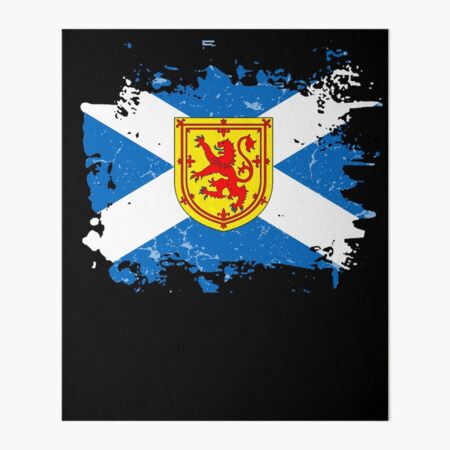
we are reclaiming our symbols
we will find a place, displacing the erasure, not the erasers.
we came over the sea and built corinium and eboracum
We do not all leave. Not all
we will be witnesses, we will not stay in fortresses
we shall come out in the open and face the natives, non-natives
this island is full of pain, not just our pain
we built a wall, to hide our shame
we came over the sea as well, we came from the lands of nether
we are cowards, we are pirates, we are a bastard tribe full of
hypocrisy and lies, we have erased “the foreign”, we had betrayed the world,
we have spread the lie, we have stolen, or claimed
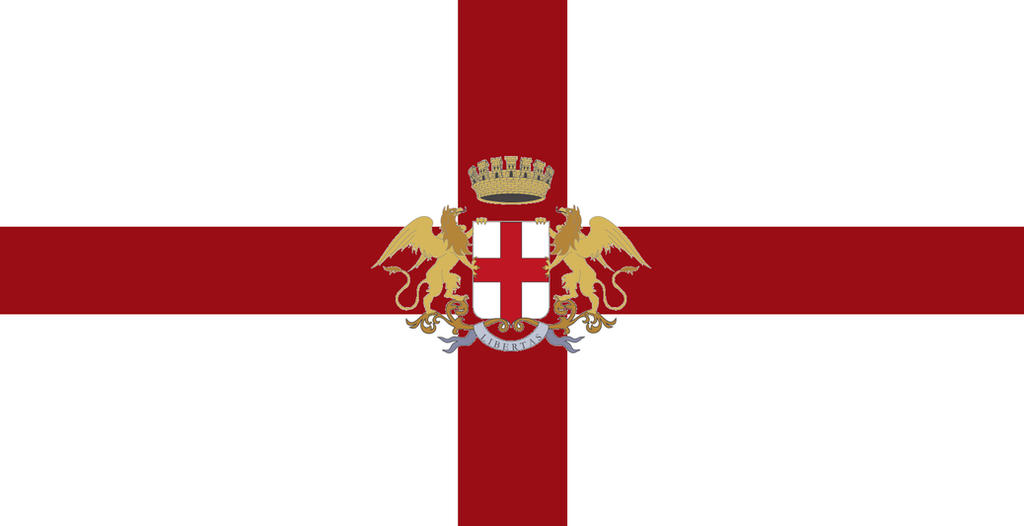
(and not paid for a while) the symbols from Genoa, because
we do not even have a name
we do not have a protector of our own, we had to borrow it
our voice is the loudest, the strongest, the fiercest
we are those painted in red and white, colours of a bastard
race, built from the pirates that renamed Eboracum
aptly described by Daniel Dafoe, we have had sons and daughters
worthy of the name, but we have painted the world with blood
we are the voices of the north, and we shall come down from
the high lands, we shall reclaim our own land, our own voice,
we shall tear down the roman wall, we shall tear down our own
fear, we shall come out in the open and reclaim name, symbol
and sing the voice of our lands, sing forever proud of it
the ballad of the high lands will echo in the lands below
britain is our island, but who came first, and when?
who was here before us? who shall be here after us?
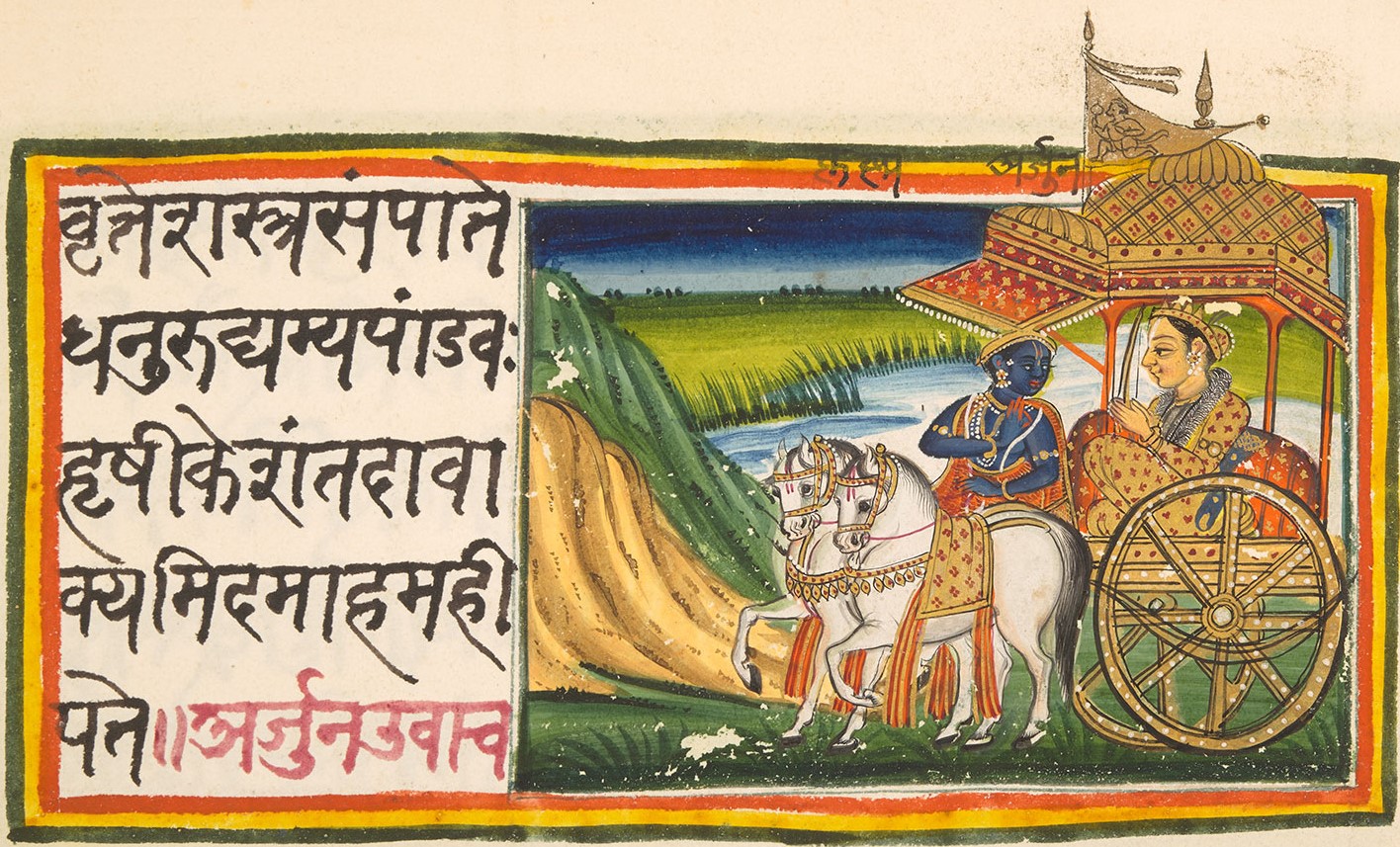
what of the voices singing the Gita, what of the voices
of Poland, what of the voices of a thousand other lands?
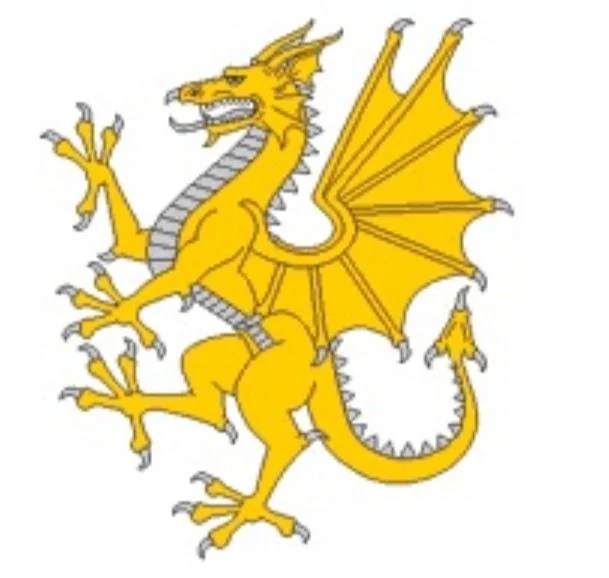
we are proud of our golden dragon, but we should not fall
into the error of the jewish people, who having been erased –
seek to erase. We are hiding in the valley of this island,
waiting for another chance.
we are still learning how to ply our trade as pirates and
hurt the world further, and yet there are those amongst us
who heal.
Chorus
We are those who lost our names —
but we remember.
No one is forgotten.
No one is pure.
No one forgets.
We are all heirs.
And we are all wounded.
We have been forgiven,
and we have remembered.
You have the right to act —
not to the fruits of your action.
(Bhagavad Gita, 2.47)
A tide of blood and sea —
we shall not be erased.
From highlands and lowlands,
from the ruins of ancient walls,
we rise not as one,
but as many —
bearing a single wound.
 Space Epics - Stories from the Multi-Verse
Pingback: Dyssentery: commentary and dissent? | Space Epics – Stories from the Multi-Verse